Direct-From-Source Oligomer & Polymeric Systems: Series I
Explore high-adhesion acrylates, micro-shrinkage prepolymers, and reactive polyurethanes delivering ultra-clear optical and mechanical performance.
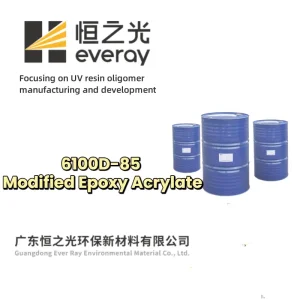
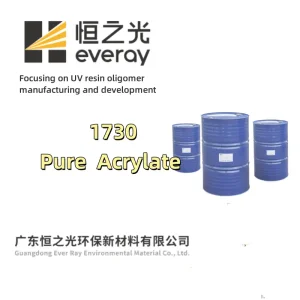
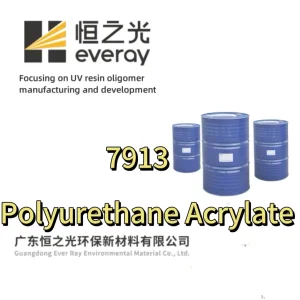
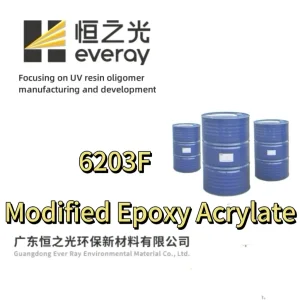
Thermodynamics & Optical Integrity of Liquid Glass Epoxy
A systematic analysis of cross-link densities, internal exothermic regulation, and chromatic preservation in high-performance polymer castings.
Refractive Index Matching (1.52-1.54)
By engineering the backbone of bisphenol-based diglycidyl ether complexes with specialized aliphatic amines, our factory matches standard float glass refraction, neutralizing internal refraction lines during multi-pass encapsulations.
Micro-Bubble Self-Degassing Matrix
Viscosity is chemically tuned via cycloaliphatic diluents to allow volatile micro-air inclusions to rise and collapse naturally within a 45-minute pot-life timeframe, eliminating mandatory vacuum degassing chambers in massive pours.
Controlled Exothermic Enthalpy
Massive liquid glass casting produces intense heat that triggers flash yellowing and stress warping. Our kinetic stabilizers buffer thermal surges, holding core reaction temperatures well below critical decomposition limits.
Precision Integration Across Modern Manufacturing
Engineered to bond, fill, encapsulate, and protect across high-throughput architectural, electronic, and design production lines.
Deep-Pour Architectural Timber
Zero-shrink river tables and monumental timber furniture stabilization requiring monolithic single-pour depths of up to 50mm-100mm without cracking or boiling.
Optoelectronic Potting & LED Arrays
Hermetic micro-potting of luminescence diodes, solar arrays, and outdoor driver circuits requiring complete weather barrier isolation and zero junction degradation.
Industrial Mineral & Stone Lamination
Penetrating fracture seams in exotic natural marble and quartz slabs to impart structural cohesion while creating an invisible high-clarity mirror finish.
Specialty Marine & Art Encasement
Long-term moisture impervious barrier coating for marine hardware, yacht cabinetry, carbon-fiber composite bonding, and fine museum-grade 3D art conservation.
Chinese Supply Chain Advantages for Global Procurement
Positioned within Guangdong’s chemical corridor to deliver cost-predictable, highly consistent industrial epoxy prepolymers at bulk volume.
Dedicated 40,000m² Plant Infrastructure
Equipped with 10+ computerized synthesis reactor lines operating under DCS closed-loop environments. Our Yunfu manufacturing center handles over 25,000 metric tons of photopolymer and epoxy prepolymers yearly.
Upstream Chemical Integration
Immediate regional access to prime epichlorohydrin, bisphenol feedstocks, acrylic acids, and isocyanates minimizes supply bottlenecks, allowing international buyers to secure margin stability in changing markets.
Strict Batch-to-Batch Quality Assurance
Every industrial delivery is subjected to automated Gel Permeation Chromatography (GPC), Brookfields viscosity auditing, and FT-IR spectral analysis, guaranteeing consistent curing profiles from sample drum to tank container.
Localized Support & International Chemical Compliance
Supporting corporate procurement workflows with full international safety and environmental certifications.
| Regulatory Protocol | Geographical Zone | Certified Standard Scope | Procurement Impact |
|---|---|---|---|
| EU REACH (SVHC) | European Union | Free of >230 Substances of Very High Concern; No Nonylphenol | Seamless customs port entry, direct formulation suitability for consumer markets. |
| RoHS 2.0 Directive | Global / Consumer 3C | Heavy metals (Pb, Cd, Hg, Cr VI) & flame retardants (PBB/PBDE) free | Ready for electronics encasement, display adhesives, and portable consumer electronics. |
| US TSCA Inventory | North America | All active monomer units declared on active inventory list | Zero custom border holds, legal importation for blending and packaging operations. |
| Zero VOC Standard | Global Environmental | 100% reactive solids; contains zero solvent diluents | Permitted in ultra-strict clean-air production zones, LEED environmental credit matching. |
Next-Generation Trajectories in Liquid Glass Formulation
Market directions shaping current research at Guangdong Ever Ray Environmental Material Co., Ltd.
Bio-Based Carbon Precursors
Migrating from petroleum-derived bisphenol backbones toward renewable, plant-derived epoxidized oils and cardanol condensates, reducing product lifecycle carbon emissions by over 38% without compromising clarity.
Dual-Cure Photothermal Hybrids
Developing systems combining 365-405nm UV shadow-cure initiation with secondary latency amine thermosetting, offering rapid assembly fixturing alongside deep-substrate crosslinking.
Nano-Silica Reinforced Topologies
Uniformly dispersing functionalized nano-silica sols directly within the prepolymer to yield 4H+ pencil hardness and enhanced scratch resistance while preserving transparent optical qualities.
Frequently Asked Questions for Industrial Formulators
Technical guidance covering product handling, formulations, storage, and specialized mixing applications.
How does Ever Ray control exothermic heat build-up during deep-pour applications?
Our research lab formulates high-depth systems with sterically hindered cycloaliphatic amines and long-chain polyetherdiamines. These slow down reaction kinetics and spread thermal dissipation over 24 to 72 hours, preventing peak internal temperatures from causing yellowing, boil voids, or shrinkage fractures.
What is the difference between aliphatic and aromatic polyurethane acrylates?
Aliphatic polyurethane acrylates use aliphatic isocyanates (e.g., IPDI, HDI), giving them superior resistance to outdoor UV yellowing. They are well-suited for optical coatings, 3C finishes, and outdoor plastics. Aromatic polyurethane acrylates rely on aromatic diisocyanates (e.g., TDI, MDI); they provide high toughness, strong chemical resistance, and lower raw material costs, making them ideal for indoor furniture, flooring, and pigmented industrial coatings.
Can you adjust resin viscosity, reactivity, and refractive indices for custom needs?
Yes. Supported by 10+ core invention patents and dedicated pilot synthesis reactors, our R&D team customizes molecular weight distributions, functionality (from monofunctional reactive diluents to hexafunctional hyperbranched polymers), and refractive indices to integrate cleanly with your production machinery.
How do amino acrylates and active amines enhance performance in thin-film coatings?
Thin-film UV printing inks and overprint varnishes often experience atmospheric oxygen inhibition, which causes surface tackiness. Amino acrylates act as copolymerizable Type II photoinitiator synergists. They provide rapid hydrogen donation to consume localized oxygen, accelerating surface cure speeds without releasing volatile amine odor.
What packaging and moisture-protection options are available for bulk international export?
Our liquid resins are packaged under dry nitrogen blankets in 20kg UN-certified metal pails, 200kg tight-head steel drums, or 1000kg composite IBC totes. For large-scale formulation operations, we supply temperature-controlled, ISO-tank direct container deliveries to prevent moisture contamination and preserve reactivity during marine transit.
What technical and safety documentation is included with trial samples?
Every sample dispatch includes fully aligned Technical Data Sheets (TDS), 16-section GHS-compliant Safety Data Sheets (SDS) in English, a Certificate of Analysis (CoA) with batch-specific viscosity, acid values, and chromaticity (Gardner scale), alongside starting-point formulation advice from our technical team.
Specialty Oligomers, Flexographic Prepolymers & Crosslinkers: Series II
Explore flexible polyacrylates, modified oligomers, and low-shrinkage varnishes designed for high-speed automated application lines.