Custom Oligomer Development
Backbone, functionality, molecular weight and viscosity tuned to your target hardness, flexibility or adhesion window.

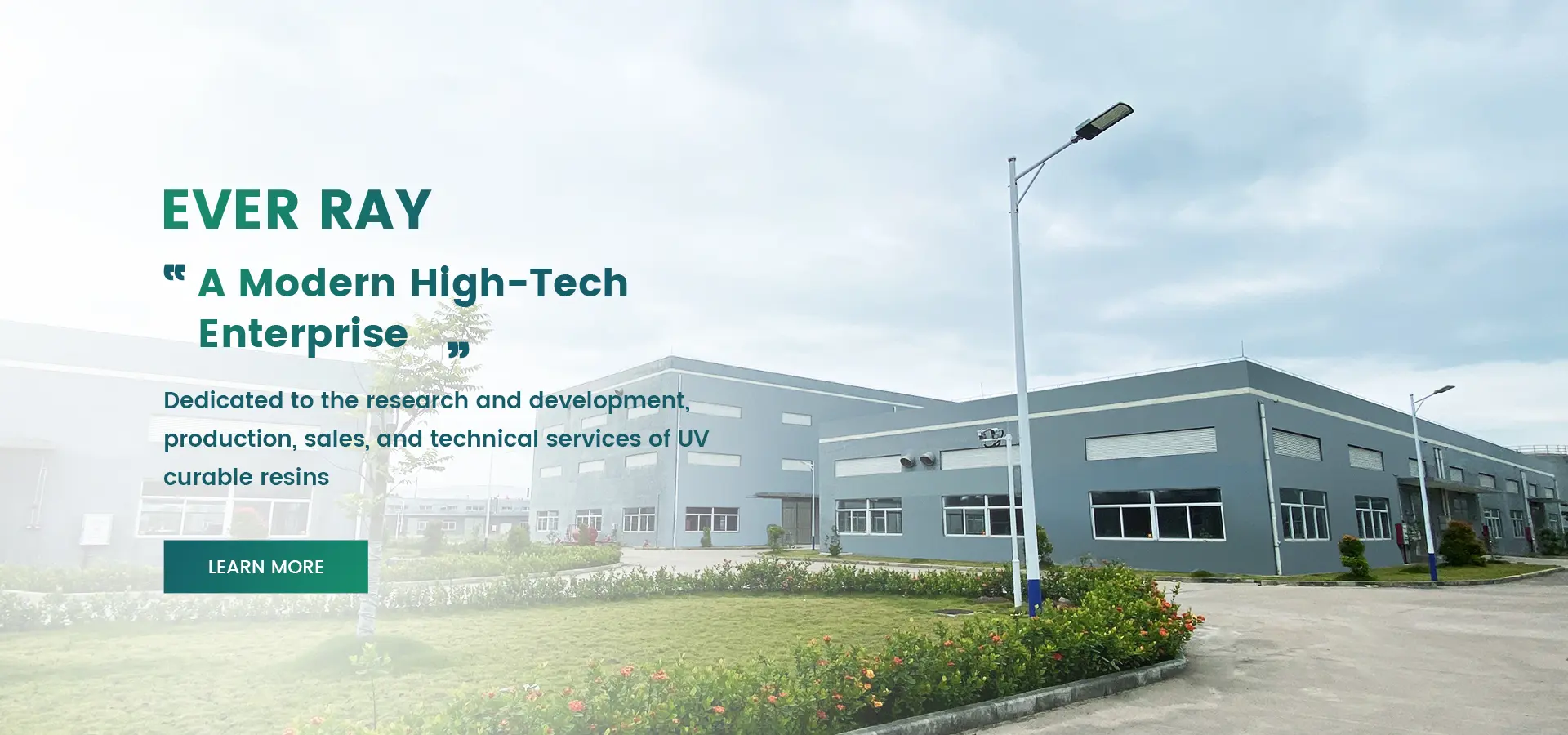
Guangdong Ever Ray Environmental Material Co., Ltd. develops and manufactures the oligomers that decide how a UV formulation cures, flexes, adheres and ages.
For nearly two decades we have supplied epoxy acrylates, aromatic, aliphatic and waterborne polyurethane acrylates, polyester acrylates, pure acrylates, amino acrylates, hyperbranched oligomers and modified monomers to formulators of wood and floor coatings, 3C plastic coatings, printing inks, UV adhesives, nail gel and photopolymer 3D printing resins. Our chemists hold more than 10 invention and utility patents, and every grade is designed around a measurable customer problem: yellowing, poor adhesion, brittleness, slow surface cure or unstable viscosity.
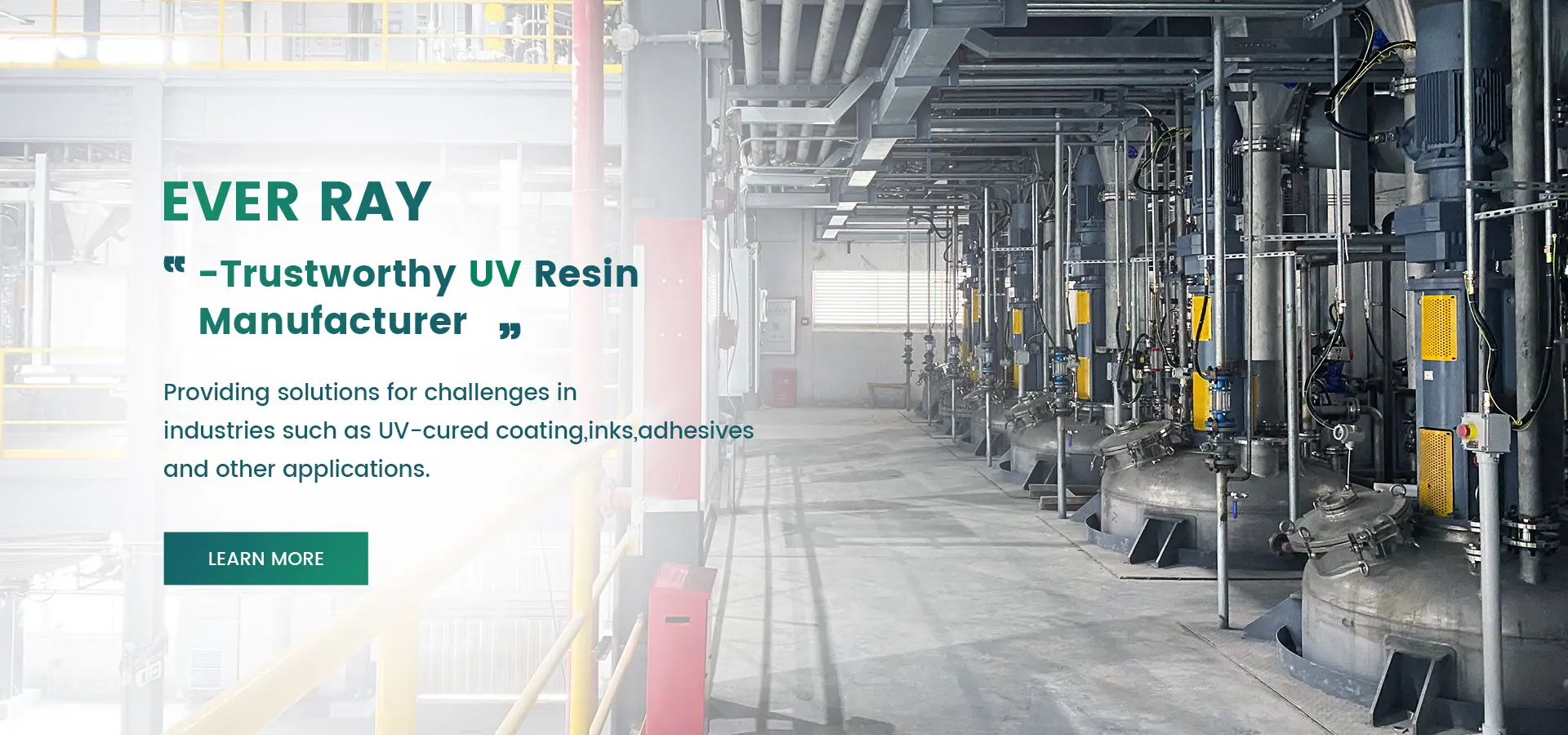
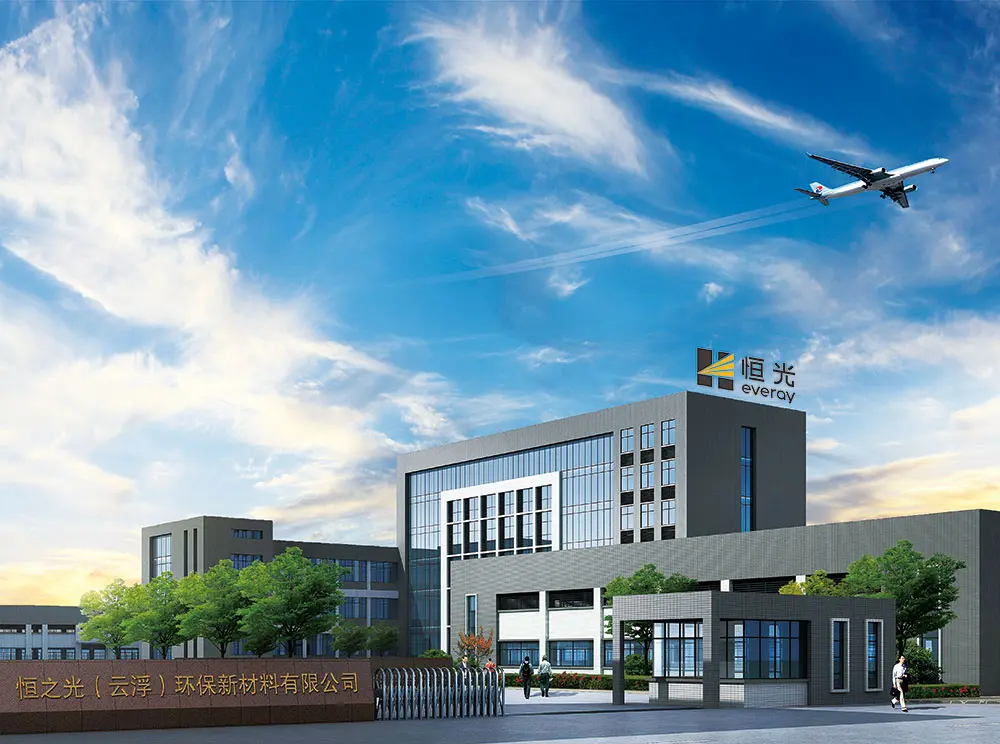 Factory Tour · Reactors, QC Lab & Warehouse
Buying a resin by name rarely solves a formulation problem. We start from your substrate, lamp type, line speed and end-use test, then select or engineer the oligomer backbone that meets it.
Backbone, functionality, molecular weight and viscosity tuned to your target hardness, flexibility or adhesion window.
Support on oxygen inhibition, poor intercoat adhesion, cracking, yellowing and pigment wetting with practical starting formulas.
Grade selection across wood, plastic, glass, metal, paper and photopolymer systems, backed by in-house application testing.
Multiple production lines and controlled raw material sourcing keep lead times predictable for distributors and formulators.
Substrate, curing equipment, targets
Candidate oligomer screening
Samples with data for your trials
Scale-up and repeatability checks
Consistent batches, export packing
Eleven chemistry families cover the full UV/EB formulation toolbox, from fast-curing hard epoxy acrylates to non-yellowing aliphatic urethanes and low-VOC waterborne systems.
 01
Bisphenol A and modified epoxy acrylates delivering fast cure, high hardness and gloss for wood coatings, paper varnish and inks.
View range 02
Excellent pigment wetting and adhesion for UV inks, with grades engineered for water-ink balance in offset printing.
View range 03
Non-yellowing, weather-resistant and flexible urethane acrylates for clear plastic topcoats, nail gel, adhesives and 3D printing.
View range 04
Cost-effective toughness and abrasion resistance for floor, furniture and pigmented UV coatings.
View range 05
Low-VOC, water-dilutable UV systems for environmentally driven wood, leather and paper coating lines.
View range 06
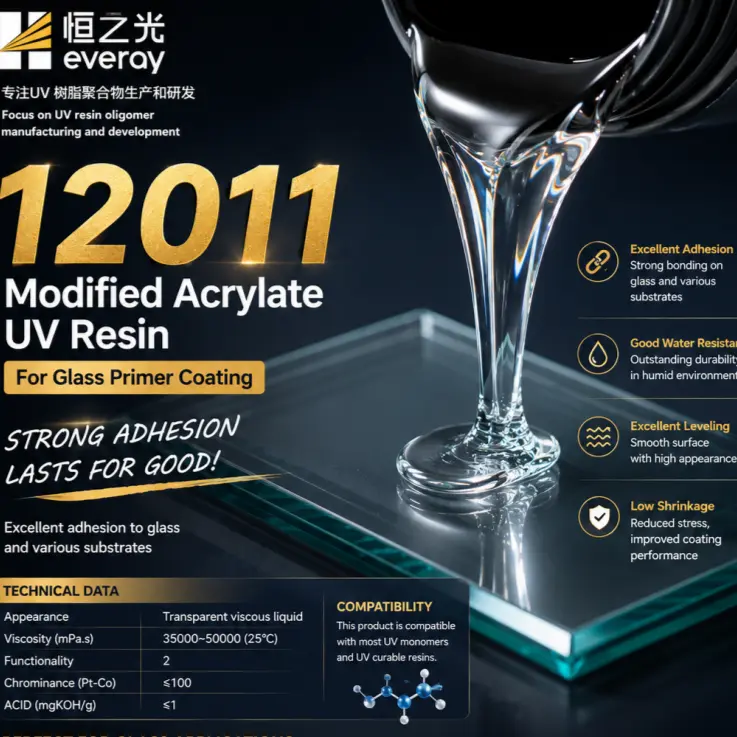
Targeted functions such as adhesion promotion on glass and metal, superior leveling and dual-cure capability.
View range 07
High functionality with relatively low viscosity for fast-curing, scratch-resistant hard coats.
View range 08
Reactive amine synergists that accelerate surface cure and counter oxygen inhibition in thin films.
View range 09
Hydrogen-donor co-initiators that pair with Type II photoinitiators for faster, tack-free surfaces.
View range 10
Reactive diluents to adjust viscosity, cure speed, adhesion and shrinkage without solvents.
View range 11
Acrylic backbones for adhesion to plastics and metal, light stability and reduced shrinkage stress.
View range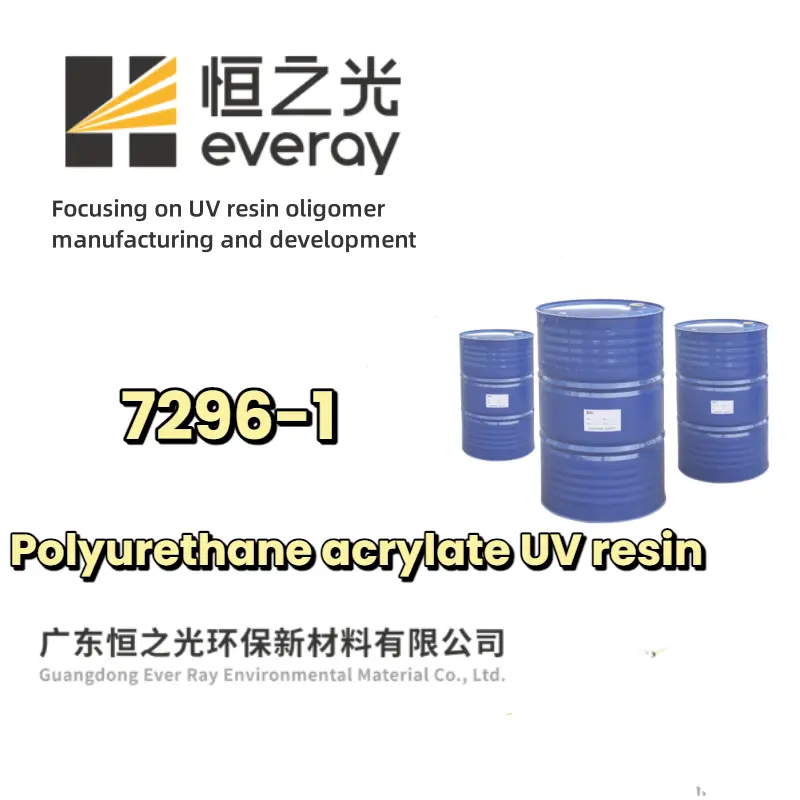
For abrasion-critical floor and furniture coatings.
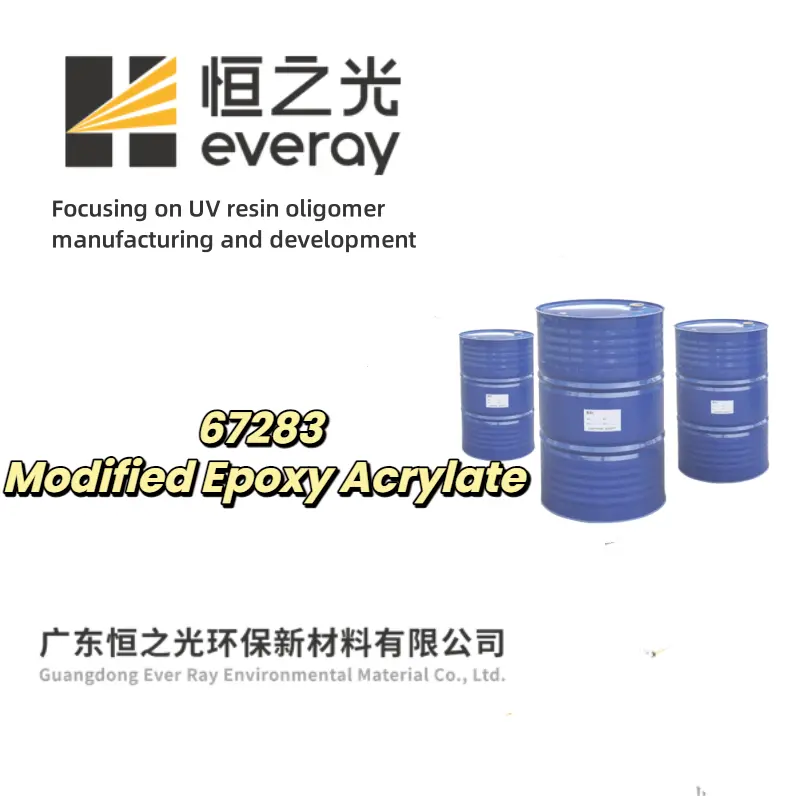
Fast cure with improved color stability.
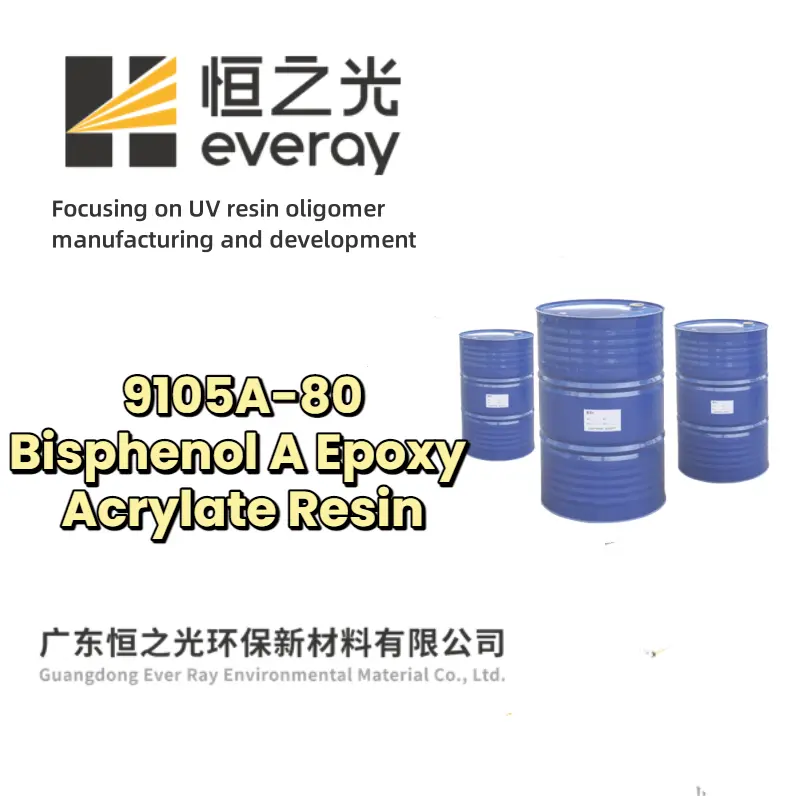
Hard, solvent-resistant films for coatings and inks.
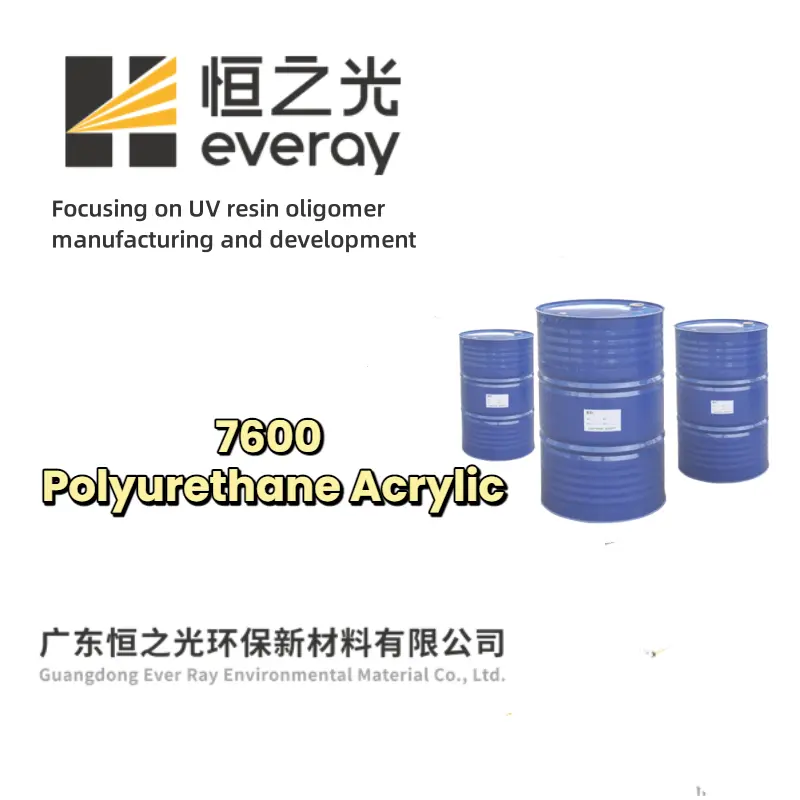
High crosslink density with urethane toughness.
Stable film performance under thermal cycling.
Smooth, defect-free surfaces on roller and spray lines.
Reliable adhesion for wood sealers and primers.
Designed for stable UV offset printing.
Strong pigment wetting for vivid, glossy prints.
Higher line speed with balanced flexibility.
A quick reference our application engineers use when starting a new formulation. Ratings describe typical behavior of each chemistry family; individual grades can be engineered beyond these ranges.
| Oligomer Family | Hardness | Flexibility | Yellowing Resistance | Cure Speed | Typical Use |
|---|---|---|---|---|---|
| Epoxy Acrylate | Wood sealers, OPV, paper, inks | ||||
| Aromatic PUA | Floor & furniture, pigmented coatings | ||||
| Aliphatic PUA | 3C topcoats, nail gel, adhesives | ||||
| Polyester Acrylate | Offset, flexo & screen inks | ||||
| Pure Acrylate | Plastic & metal adhesion, adhesives | ||||
| Hyperbranched Acrylate | Hard coats, anti-scratch topcoats |
Need a balance the table cannot show, such as hardness with flexibility or fast cure without yellowing? Blending families or a custom-modified grade usually solves it. Ask our engineers.
Hover or tap an industry to preview the performance targets and the oligomer families our customers rely on.
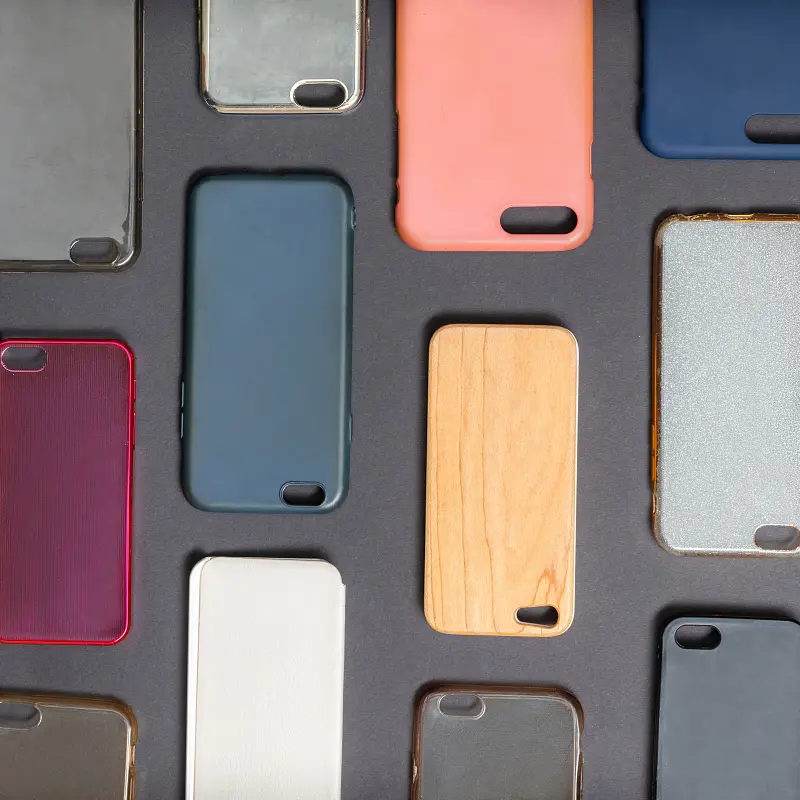
Phone housings, laptop shells and wearables demand thin films that resist scratches, fingerprints and sweat while staying crystal clear. Non-yellowing urethane chemistry combined with high-functionality hard-coat resins delivers that balance on PC, ABS and PC/ABS.
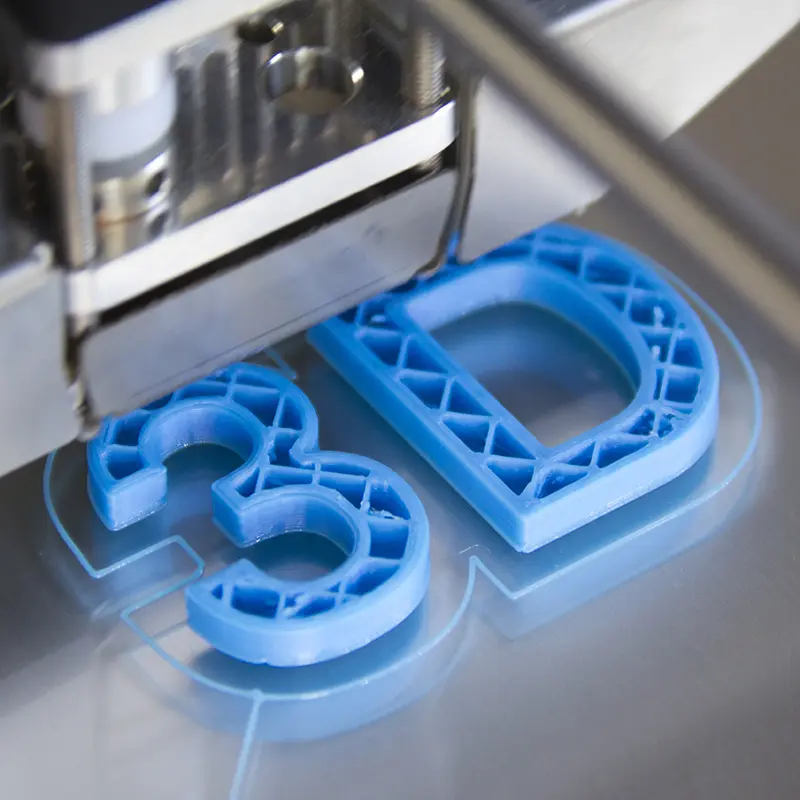
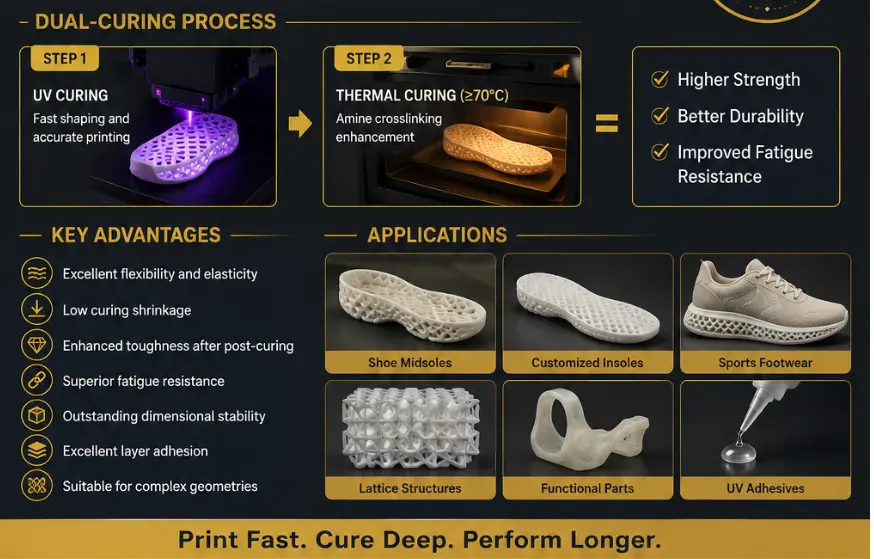
SLA, DLP and LCD printers need low-viscosity resins that recoat quickly, cure with limited shrinkage and print parts tough enough for functional use, from ABS-like prototypes to elastic footwear lattices built with dual-cure systems.
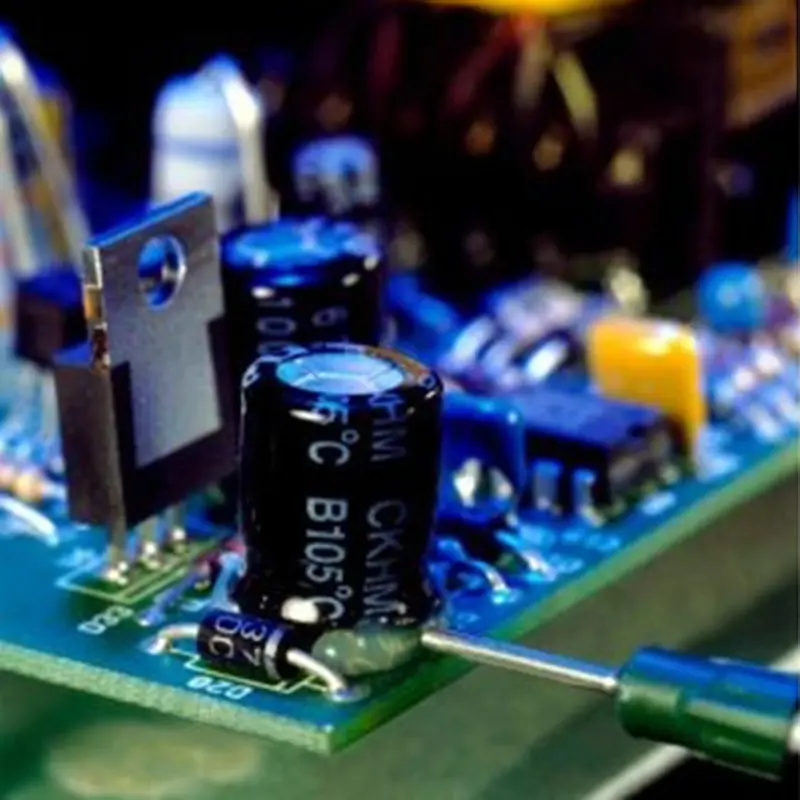
Light-curing adhesives bond in seconds, but only if the oligomer wets the substrate, tolerates thermal stress and keeps shrinkage low. Flexible urethanes and adhesion-promoting functional oligomers are the core of reliable bonds.
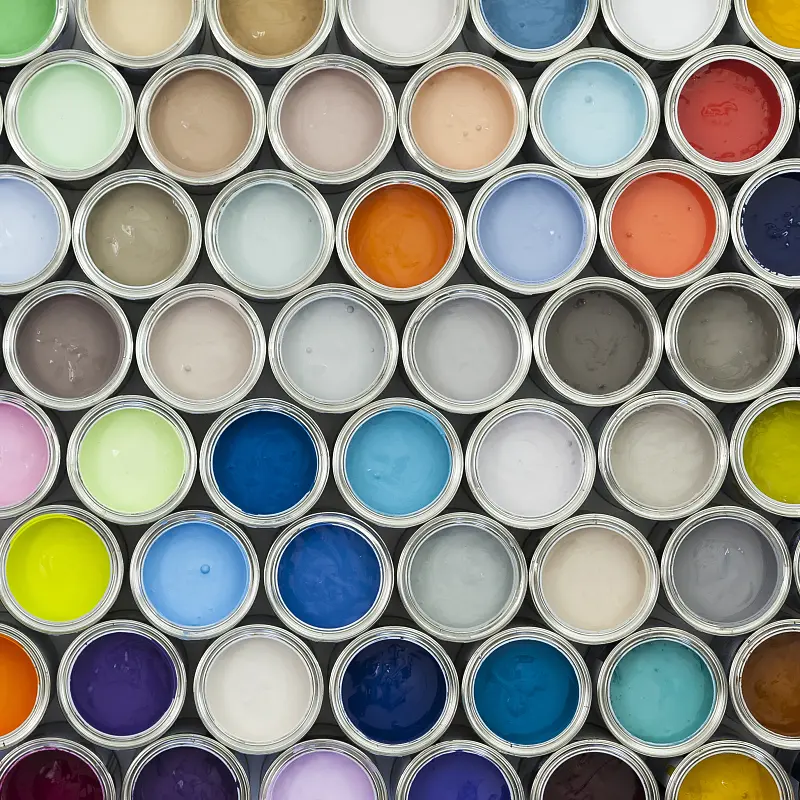
In UV offset, flexo and screen inks the binder controls pigment wetting, gloss and press stability. Polyester acrylates provide wetting and water-ink balance; amino acrylates and active amines secure surface cure at high press speeds.
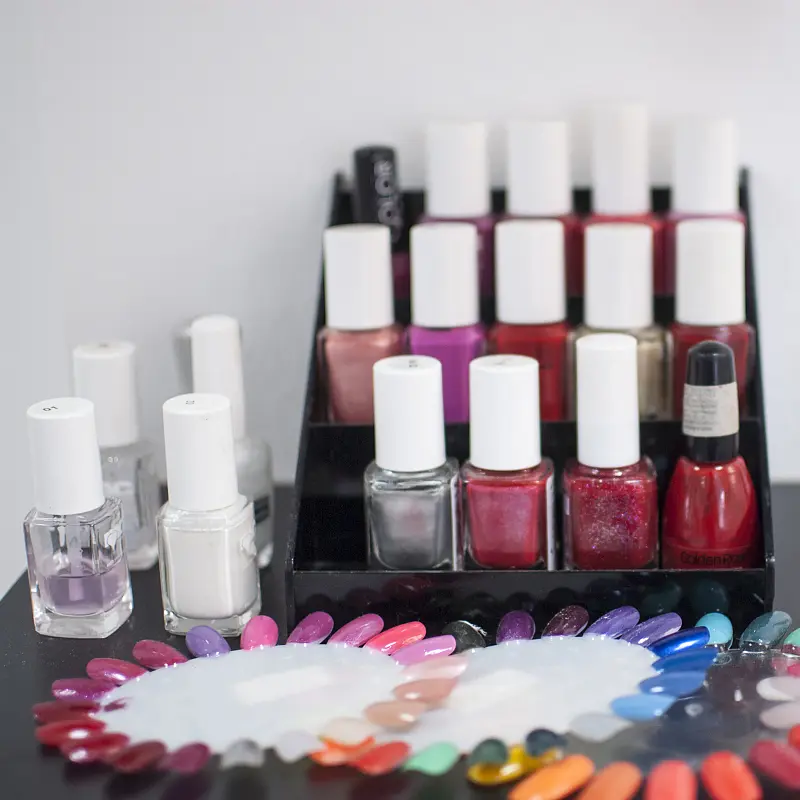
Base, builder and top gels must stay flexible on the natural nail, hold high gloss for weeks and resist yellowing. Aliphatic urethane acrylates provide the elastic backbone, while functional oligomers tune adhesion and soak-off behavior.
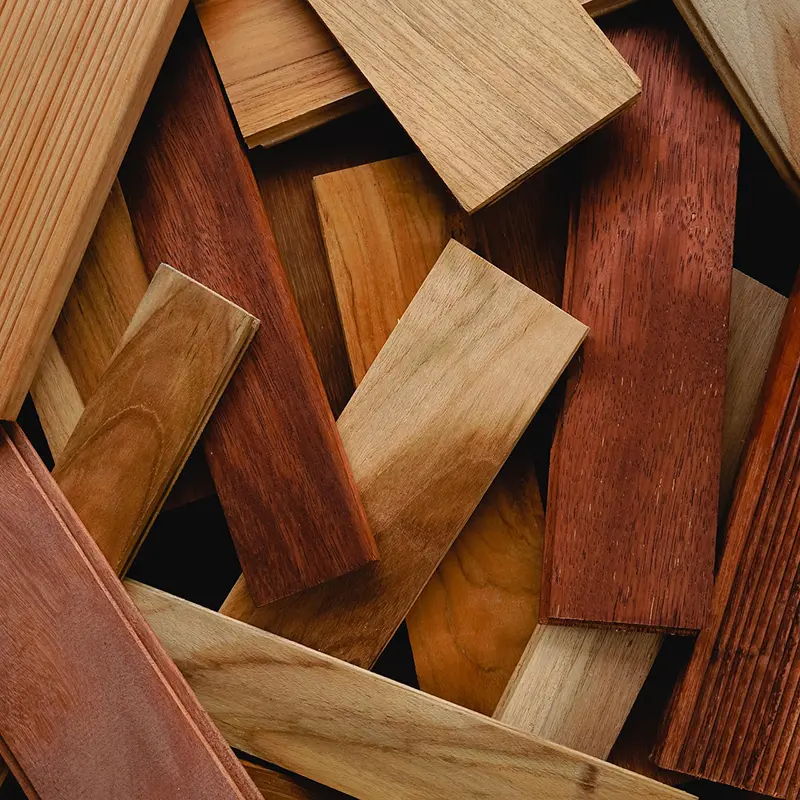
Roller and spray lines for flooring and furniture rely on sandable epoxy acrylate sealers and tough urethane topcoats. Waterborne PUA supports low-VOC finishes with a natural open-grain look.
Practical formulation strategies written by the engineers who test them.
Glass is one of the most challenging substrates for UV coatings. Many systems achieve good initial adhesion, yet fail after boiling-water testing. We explain which resin properties keep the interface intact and how to formulate for it.
Read the articleDigital manufacturing is transforming midsoles and lattices, and dual-cure chemistry is closing the gap with conventional elastomers.
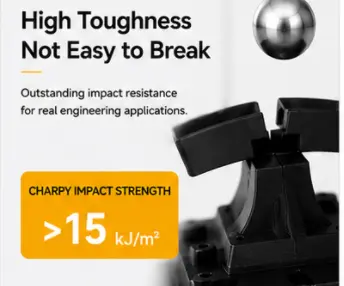
Toughness, impact resistance and dimensional stability matter as much as tensile strength for functional printed parts.
Typical properties, recommended applications and selection notes for every Ever Ray oligomer and monomer family, in one document for your R&D and purchasing teams.