High-Performance Acrylate & Polyester Urethane Solutions
Direct manufacturing synthesis delivering batch-consistent UV resins, vacuum metallization oligomers, and customized monomers engineered for industrial scale.
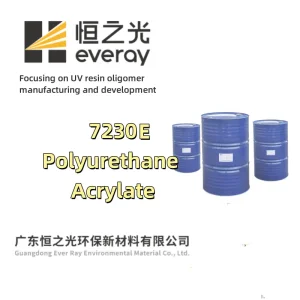
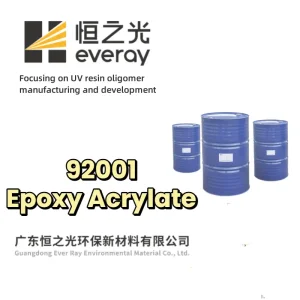
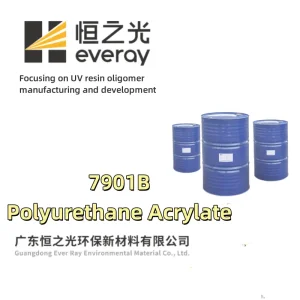
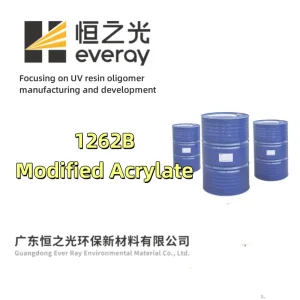
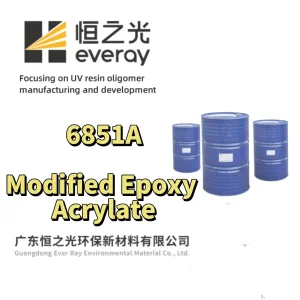
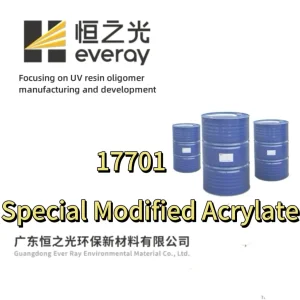
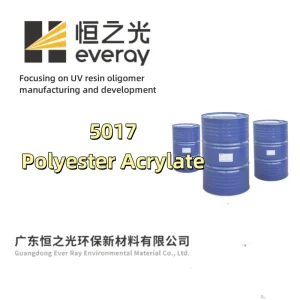
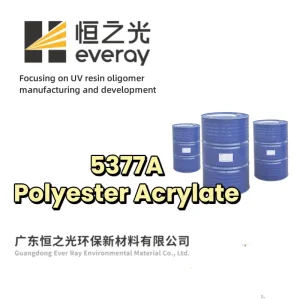
Macro Industrial Solutions & Polymer Architecture
Understanding the molecular divergence and high-performance crosslinking mechanics of polyester urethane structures within modern polymer synthesis.
Aliphatic vs. Aromatic Mechanics
Polyurethane acrylates synthesized with aliphatic diisocyanates (IPDI, HDI) provide non-yellowing, weatherable profiles indispensable for optical 3C lenses and exterior coatings. Conversely, aromatic backbones (TDI, MDI) yield superior modulus, impact absorption, and abrasive resistance for heavy-duty industrial floor overlays.
Viscosity and Crosslinking Kinetics
Our modified polyester-urethane hybrid resins introduce hyperbranched topologies. This molecular structural optimization dampens crosslinking volume shrinkage down to <2.1%, eliminating intercoat stress while simultaneously elevating Shore D hardness and solvent barrier performance.
Interfacial Adhesion Dynamics
Overcoming the low surface tension barrier of non-polar polymers like untreated polypropylene, treated PET, and vacuum-metallized aluminum. Modified urethane linkages form covalent and coordination complexes that prevent layer delamination even during stringent boil-water tests.
Global Commercial & Industrial Realities
Mitigating raw material volatility and delivering industrial-scale polyester urethane batches worldwide under zero-downtime procurement SLAs.
Supply Chain Redundancy
Direct supply contracts for polyols and isocyanates combined with automated vertical chemical storage facilities guarantee stable production parameters, mitigating spot-market disruptions and delivery lags across North America, Europe, and Asia-Pacific.
Batch-to-Batch Tolerancing
Utilizing high-precision digital control loops on glass transition temperatures (Tg), polydispersity indices (PDI), and acid values ensures that customer formulators achieve zero batch drift across multinational production sites.
Hazardous Goods Logistics
Fully compliant with international marine (IMDG) and air (IATA) shipping regulations. From nitrogen-blanketed ISO tanks to steel composite drums, our packaging retains kinetic freshness and inhibits premature free-radical initiation.
Localized Support & Global Compliance Infrastructure
Formulation compatibility supported by in-depth regulatory documentation, chemical registration verification, and customized compliance certifications.
REACH, TSCA & IECSC
Every polyester urethane grade is fully mapped to major chemical inventories worldwide. REACH-registered supply lines ensure direct importation without European customs barriers, while TSCA conformance streamlines US chemical integration.
Volatile Organic Compounds (VOC)
Transition toward near-zero VOC formulations with 100% solids UV curing oligomers and waterborne polyurethane acrylate dispersions (WPUA). Engineered to meet rigorous regional emissions laws (e.g., SCAQMD Rule 1113).
Field Application Engineers (FAE)
Our localized polymer specialists provide real-time field trials, assisting clients in curing energy optimization (mercury arc vs. UV-LED 365/385/395nm), photoinitiator package matching, and crosslink density debugging.
High-Stress Application Deployments
Proven execution under extreme thermal cycling, environmental wear, and rapid production line requirements.
3C Consumer Electronics & Vacuum Plating
Applied to handheld device enclosures and optical components requiring exceptional clarity. Resists artificial sweat, cosmetic chemicals, and rigorous cross-hatch tape adhesion tests directly on high-speed UV lines.
Industrial Additive Manufacturing & Photopolymers
Engineered for SLA/DLP 3D printing configurations. Low intrinsic viscosity allows fast recoating, while the urethane backbone confers ductile toughness, resolving the common brittleness associated with purely acrylic resins.
Automotive Interior & Exterior Refinishing
Providing the flexible modulus required to tolerate substrate thermal expansion differences without micro-cracking, paired with high resistance to bird-drop acid attack, stone-chipping, and severe scratch testing.
Technical Roadmap: Next-Gen Polyester Urethane Resins
Pioneering sustainable carbon footprints, self-healing polymer architectures, and photo-thermal dual curing mechanisms.
Bio-Based Carbon Upcycling
Targeting up to 45% bio-based carbon sourcing by integrating plant-derived dimer fatty acids and renewable succinic acids without impacting tensile strength, resin color index, or cure speed parameters.
Self-Healing Supramolecular Chains
Synthesizing hydrogen-bonded associative urethane nodes that autonomously flow and close micro-scratches at room temperature, dramatically extending the functional lifecycle of automotive clear coats.
Photo-Thermal Dual-Curing Systems
Bridging the optical shadow problem in complex electronic potting. UV surface pinning achieves immediate handling strength within seconds, followed by secondary heat cure for deep shaded sections.
Frequently Asked Questions for B2B Procurements
In-depth insights into polyester urethane characteristics, testing protocols, and volume production.
What is the fundamental performance difference between polyester urethane and polyether urethane?
How does Ever Ray control batch-to-batch viscosity drift across seasonal temperature swings?
Can you customize functionality to reduce oxygen inhibition in thin-film printing inks?
What documentation and samples are available prior to executing bulk container orders?
What export packaging solutions are configured for intercontinental chemical shipping?
Advanced Acrylate Monomers & Oligomers
Complete your chemical formulation with our comprehensive array of dual-curing oligomers, low-shrinkage resins, and boiling-water resistant acrylics.