
Featured Formulations
Primary Oligomer Solutions for Moroccan Processing Lines
Engineered for low odor, fast drying, zero monomer toxicity, and ultra-high chemical resistance in Tangier Med, Kenitra, and Casablanca manufacturing plants.
High-Quality Aromatic PA UV-Resin 7160 for Morocco Automotive Plastics & Joinery
Explore 7160 Series
Buy Polyester Acrylate 5319A-1: Reliable Morocco Industrial Packaging Resin
Explore 5319A-1 Grade
High-Quality 70250 UV-Resin for Morocco Precision Additive Manufacturing & Inks
Explore 70250 Polymer
Industrial Landscape Analysis
Morocco’s Industrial Evolution: The Impetus for Waterborne Polyurethane Acrylates
Examining the intersection of the Kingdom of Morocco’s industrial acceleration, automotive nearshoring, EU green deal conformity, and sustainable resin chemistry.
700,000+
Annual Automotive Capacity (Units)
< 50g/L
Target VOC Threshold for Nearshore Export
48-72 hrs
Transit Window to Southern EU Hubs
100%
REACH & CBAM Compliance Ready
The Nearshore Paradigm Shift: Morocco as Europe’s Green Industrial Extension
The Kingdom of Morocco has systematically developed into the primary manufacturing springboard connecting Africa with the European Union. Anchored by the free trade and logistics powerhouse of Tanger Med, the Tanger Automotive City (TAC), Atlantic Free Zone (Kenitra), and the historical chemical-industrial infrastructure of Casablanca and Mohammedia, the local manufacturing ecosystem is undergoing an urgent green transformation.
Driven by strict European environmental legislation—principally the Corporate Sustainability Due Diligence Directive (CSDDD), EU REACH Annex XVII revisions, and the impending adjustments under the Carbon Border Adjustment Mechanism (CBAM)—tier-1 automotive parts finishers, contract packaging converters, and architectural component processors operating across Morocco can no longer rely on conventional solvent-borne polyurethane systems. Solvent evaporation yields unacceptable volatile organic compound (VOC) levels, introduces solvent entrapment hazards in warm Maghreb climates, and poses severe workplace safety liabilities.
This is where Waterborne Polyurethane Acrylate (WPUA / WB-PUA) Oligomers introduce an unprecedented paradigm shift. By synthesizing aliphatic or aromatic isocyanate prepolymers with hydrophilic chain extenders (such as dimethylolpropionic acid, DMPA) and terminal reactive acrylates, our resin systems disperse cleanly into water. The result is a high-molecular-weight emulsion that combines the zero-VOC and minimal toxicity profiles of aqueous dispersions with the rapid, sub-second mechanical film development achieved via UV/EB radiation curing.
Tanger Med Nearshoring
Zero-VOC Automotive Cockpits
Waterborne UV LED Curing
Low Viscosity Spraying
Anti-Microbial Interior Finishes
Overcoming North African Climatic and Substrate Challenges
Manufacturing in Morocco encounters unique atmospheric fluctuations: coastal regions like Tangier and Casablanca exhibit relative humidity variations between 55% and 85%, while inland industrial sites like Fès or Marrakech experience dry, elevated ambient temperatures exceeding 38°C in summer. Conventional water-based thermal paints suffer from unpredictable evaporation curves, leading to orange peel, pinholing, and blister formation.
Ever Ray’s specialized Waterborne Polyurethane Acrylate dispersions resolve these environmental sensitivities by decoupling water flash-off from final chemical crosslinking. Our engineered polymers allow formulators to flash off moisture at low thermal budgets (40°C–60°C) without initiating premature crosslinking. Once the continuous, coalesced aqueous phase is dried, high-speed UV radiation (mercury vapor or modern 365nm/395nm UV LED arrays) instantly triggers free-radical polymerization. This yields an exceptionally dense, interconnected network that exhibits immediate block resistance, remarkable mar resistance, and chemical resilience against aggressive cleaning solvents, skin lipids, and simulated sweat.
Automotive Tier-1 & Interior Cabins
Morocco produces over 700,000 passenger vehicles annually. Our aliphatic WPUA systems provide soft-feel tactile coatings, unyielding anti-scratch properties on dashboard fascia (PC, ABS), and total non-yellowing under intense Saharan UV radiation indexes.
Eco-Packaging & Barrier Varnishes
With Morocco’s stringent ban on non-biodegradable single-use plastics (Law 77-15 / "Zero Mika"), converters utilize waterborne UV oligomers for overprint varnishes (OPV) delivering oil, water, and grease barrier on corrugated boards and folded cartons.
Artisanal & Modern Joinery
Traditional Moroccan cedar, imported pine, and engineered MDF require coatings that preserve authentic grain texture without raising wood grain fibers. Our colloidal WPUA resins form breathable, elastic films that absorb natural wood moisture shifts without cracking.
Supply Chain Resilience & Manufacturing Power
Ever Ray’s China Production Advantage: Direct-from-Reactor Reliability
Combining proprietary molecular synthesis, raw material cost stabilization, and stringent chemical characterization to support Moroccan supply autonomy.
The Economies of Scale in Specialized Polyurethane Synthesis
Procuring specialty waterborne polyurethane acrylate oligomers from European trading houses frequently exposes North African manufacturers to inflated distribution markups, rigid order minimums, and lengthy transit cycles. Ever Ray Environmental Material Co., Ltd. operates a cutting-edge 40,000 m² chemical production plant based in Guangdong, China. By bypassing intermediary distributors, our Moroccan industrial partners secure factory-direct pricing with unimpeded technical transparency.
Our competitive advantage stems from deep upstream vertical integration. China accounts for the world’s most comprehensive supply chains for critical isocyanate monomers (IPDI, HDI, TDI, MDI), specialty polyols (polycarbonate diols, polycaprolactones, polytetrahydrofuran), and acrylic acid derivatives. Ever Ray leverages continuous raw material pipelines to buffer international buyers against wild market price fluctuations, guaranteeing multi-quarter price stability.
Zero-Defect Quality Control and International Chemical Assurance
Waterborne UV chemistry demands microscopic control over colloidal particle size distributions, neutralization ratios, and residual free isocyanate (-NCO) levels. A sub-optimal distribution triggers phase separation, settling during maritime transit, or high shear instability in modern spray robots.
Every single batch produced at our Guangdong reactor facilities undergoes rigorous characterization prior to customs dispatch:
- Laser Particle Size Distribution: Validating monodisperse colloidal stability (typically 50–120 nm) ensuring extreme freeze-thaw endurance and indefinite shelf lives under correct storage.
- Gel Permeation Chromatography (GPC): Monitoring precise molecular weight distribution (Mw/Mn) to guarantee predictable tensile strength and elongation-at-break.
- FTIR Spectroscopic Verification: Confirming 100% complete reaction of all isocyanate (-NCO) functional groups, entirely eliminating the toxic sensitization risks associated with free isocyanates.
- Rheological & Storage Stability Testing: Accelerated oven aging (60°C for 30 days) and high-speed centrifugal separation tests simulating maritime passage across the South China Sea, Indian Ocean, and Mediterranean entries.
| Evaluation Parameter | Ever Ray Waterborne PUA Oligomer | Standard Solvent-Borne PUA | Traditional Aqueous PUD (Non-UV) |
|---|---|---|---|
| VOC Content | < 1% (Zero Reactive Diluent) | 40% – 65% Hazardous Solvents | < 3% Trace Co-solvents |
| Cure Mechanism | Water Flash + Sub-second UV/EB | Thermal Evaporation (Slow) | Thermal Drying & Physical Coalescence |
| Mechanical Hardness | Up to 3H – 4H (Pencil Hardness) | 2H – 3H | HB – F (Prone to soft marking) |
| Chemical / MEK Resistance | > 200 Double Rubs (Extreme) | 100 – 150 Double Rubs | 30 – 50 Double Rubs (Poor) |
| Moroccan Nearshore Suitability | Highest (Meets EU REACH/CBAM) | Failing upcoming European EHS norms | Low industrial line throughput |
Global Procurement Architecture
Procurement Protocols, Logistics & Quality Specifications for Morocco
Engineered shipping channels, moisture/temperature container preservation, and technical onboarding for formulators across Casablanca, Tangier, and Kenitra.
Navigating Transit to Tanger Med and Casablanca Port Terminals
Aqueous emulsions and waterborne polyurethane dispersions are delicate colloidal systems that cannot be handled like inert petroleum solvents. Exposure to freezing temperatures (< 0°C) results in irreversible coalescence and emulsion breakdown, whereas exposure to extreme desert heat (> 45°C) inside sealed metallic containers can induce thermal destabilization or water loss.
Ever Ray implements a comprehensive Cold-Chain / Insulated Marine Freight Protocol for all Moroccan consignments:
1. Thermal Container Liners
Every 20ft/40ft container is equipped with aerospace-grade radiant barrier insulation shields, preventing thermal spikes when crossing equatorial waters.
2. Packaging Geometry
Heavy-duty 200 kg anti-static HDPE drums or 1,000 kg UN-certified IBC tote containers with airtight pressure-equalization vents to prevent skinning.
3. Direct Line Routing
Optimized deep-sea container booking directly from Pearl River Delta / Shenzhen to Tanger Med without intermediate transshipment delays.
Full Documentation Compliance for Moroccan Customs (Administration des Douanes et Impôts Indirects - ADII)
Industrial importing in Morocco demands stringent documentation verification. Ever Ray supplies comprehensive regulatory dossiers for every product lot, including:
- Digitally Signed Certificates of Analysis (COA): Encompassing viscosity (Brookfield RVT), solids content (baking method, 105°C), pH value, and specific gravity.
- Bilingual Safety Data Sheets (SDS): Prepared in full accordance with GHS Rev 8 and available in French and English for factory safety protocol integration.
- Non-VOC & Heavy-Metal Free Certification: Conforming to RoHS 3 (EU 2015/863), EN 71-3 (Toy Safety Standards), and Moroccan environmental ministry requirements.
- Custom Formulation Adjustments: Ability to alter amine neutralizers, co-solvent proportions, and photoinitiator pre-dispersions based on local applicator line setups.
Future-Proof Chemical Engineering
Emerging Trends: The Synthesis of Bio-Based Polyols & UV-LED Curing
How the next decade of waterborne UV chemistry addresses Morocco’s clean energy mandate and decentralized curing equipment.
Transitioning to 395nm UV LED Waterborne Systems
Traditional UV curing relies on medium-pressure mercury arc lamps which consume immense amounts of electricity, release massive ozone emissions, and generate radiant infrared heat that distorts temperature-sensitive plastic components (such as thin polypropylene film or ABS moldings). Given Morocco's national commitment to clean energy (underpinned by the Noor Ouarzazate Solar Complex and aggressive industrial decarbonization targets), Moroccan factories are transitioning to cold-cure UV-LED diodes.
Ever Ray has restructured the molecular architecture of our waterborne polyurethane acrylate oligomers to maximize surface and through-cure efficiency under long-wave 365nm, 385nm, and 395nm UV-LED sources. By eliminating oxygen inhibition at the aqueous interface via optimized macromolecular structuring and built-in amine co-reactants, our resins reach 100% conversion rates without requiring inert nitrogen blanketing chambers.
Bio-Derived Raw Materials: Synergy with Moroccan Circular Economy
The global coatings sector is demanding higher renewable carbon indices (RCI). Ever Ray’s R&D team has successfully integrated bio-succinic acid, vegetable oil-based polyester polyols, and bio-propanediol into our waterborne PUA oligomer backbones. Formulators targeting high-end European eco-labels can achieve upwards of 35% bio-renewable content without compromising elongation, tensile modulus, or water resistance.
Technical & Commercial FAQ
Frequently Asked Questions: Waterborne PUA Oligomers in Morocco
Expert answers addressing chemistry, processing adaptations, logistics preservation, and application engineering.
1. Why should Moroccan industrial coaters replace solvent-borne UV resins with Waterborne PUA?
Waterborne Polyurethane Acrylate (WPUA) oligomers eliminate volatile organic compounds (VOCs) and toxic reactive diluent monomers (such as HDDA, TPGDA, or TMPTA) that are increasingly restricted under EU REACH and Moroccan industrial labor safety regulations. Furthermore, WPUA formulations provide exceptional viscosity control without requiring hazardous thinners, reduce flammability risks on factory floors, and produce ultra-thin, low-stress, flexible films on complex plastic and leather geometries.
2. How does the Moroccan coastal humidity affect water flash-off and curing?
In high humidity environments like Tangier or Casablanca, water evaporation slows down. However, because our WPUA systems decouple physical drying from UV crosslinking, processors simply introduce an infrared (IR) pre-heating or low-velocity convection warm air flash-off tunnel (50°C–60°C for 2–4 minutes) to evacuate all moisture. Once the film is translucent and completely dry, UV radiation cures it in fractions of a second, regardless of exterior ambient humidity.
3. What is the difference between Aliphatic and Aromatic Waterborne PUA oligomers?
Aliphatic WPUAs are synthesized using aliphatic diisocyanates (such as IPDI or HDI). They offer superlative non-yellowing characteristics, exceptional weatherability, and prolonged UV resistance, making them ideal for automotive exterior/interior components, optical plastics, and high-clarity wood topcoats. Aromatic WPUAs (utilizing TDI or MDI) provide higher hardness, aggressive scratch resistance, and lower raw material costs, making them the primary choice for indoor flooring, dark-pigmented industrial coatings, and primer sealers.
4. Can Ever Ray’s Waterborne UV resins achieve good adhesion on non-polar plastics like PP and PE?
Yes. Ever Ray formulates specialized self-emulsifying oligomers modified with carboxyl, hydroxyl, or chlorinated functional groups that dramatically enhance wetting and mechanical interlocking on low-surface-energy substrates. For untreated PP/PE, we provide adhesion promoter synergists or recommend standard flame/corona pretreatment (target surface tension > 42 dynes/cm) prior to application.
5. What is the shelf life and storage protocol for WPUA shipments arriving at Tanger Med?
When kept sealed in original unopened HDPE drums between 5°C and 35°C in a dry, ventilated warehouse, our WPUA oligomers have a validated shelf life of 6 to 12 months. They must strictly be protected from freezing and shielded from direct sunlight to avoid premature radical polymerization. In the event of minor settling during prolonged storage, gentle mechanical stirring restores full colloidal dispersion.
6. What photoinitiators are recommended for waterborne UV formulations?
Formulators should use either pre-emulsified water-dispersible photoinitiators or liquid photoinitiators that incorporate smoothly under high-shear mixing. Recommended grades include Hydroxycyclohexyl phenyl ketone (Omnirad 184 / Irgacure 184), TPO-L for LED 395nm through-cure, and specialized polymeric water-compatible photoinitiators that prevent blooming and migratory hazing.
7. What are the minimum order quantities (MOQ) and sample lead times for Moroccan companies?
We provide 1 kg to 5 kg technical evaluation samples dispatched via DHL/FedEx air courier directly to your facility in Morocco within 5 to 7 business days, accompanied by complete TDS, SDS, and starting formulation guidelines. For commercial production orders, our standard MOQ is 1 pallet (typically 4 x 200kg drums or one 1,000kg IBC tote), shipped directly from Shenzhen or Guangzhou ports.
8. Does Ever Ray provide customized polymer synthesis for specific Moroccan production lines?
Absolutely. Our senior synthesis chemists customize particle size, solid content (typically 35% to 50%), glass transition temperature (Tg), elongation-to-break ratio, and chemical crosslink density to align perfectly with your line speed, roller coating, spray atomization, or gravure press specifications.
Comprehensive Chemical Catalog
Specialty Acrylate Oligomers & High-Performance Resins for Morocco
Engineered for offset packaging, composite 3D fabrication, high-durability thermal extremes, and scratch-resistant metal and wood finishes.
61163 High Solid Low Viscosity Anti-Yellowing Modified Epoxy Acrylate for Morocco
View Product Specs
Wholesale 72017A-8 Dual-Curing UV Resin for 3D Printed Footwear & Elastomers in Morocco
View Product Specs
Durable 7200F Polyurethane Acrylate: Thermal Cycle Resistance for Morocco
View Product Specs
High-Quality PUA 7291B: Revolutionary Choice for Morocco High-End Systems
View Product Specs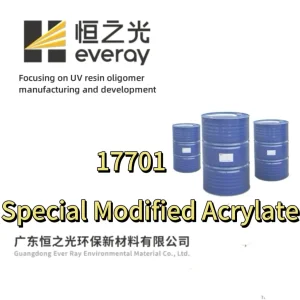
Buy 17701 Low Shrinkage Modified Acrylate Oligomer for Morocco Offset & Film Inks
View Product Specs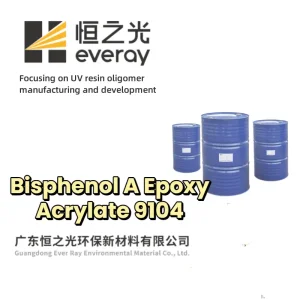
Bisphenol A Epoxy Acrylate Resin 9104: Core Resin for Morocco Coatings
View Product Specs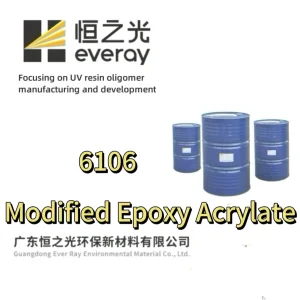
Wholesale 6106 Fast-Curing Flexible & Anti-Yellowing Modified Epoxy Acrylate
View Product Specs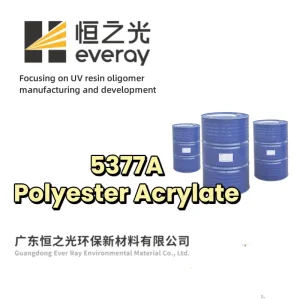
Polyester Acrylate 5377A: Ideal Choice for Flexographic UV Inks in Morocco
View Product SpecsAccelerate Your Morocco Formulation Projects Today
Request technical data sheets (TDS), certified safety data sheets (SDS), and custom 1-5 kg pilot synthesis samples for your manufacturing tests.
Send Inquiry Now