
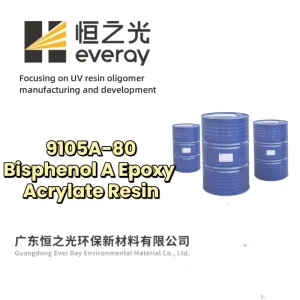
Direct Factory Supply
High-Velocity Oligomers for Italy's Industrial Coaters
Engineered for high line speeds, zero VOC compliance, and superior film hardness required across Italian luxury furniture and printing sectors.
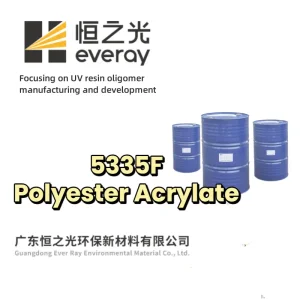
High-Quality Polyester Acrylate 5335F A High-Performance Solution for Offset Inks Factories, Products
Explore Technical Specs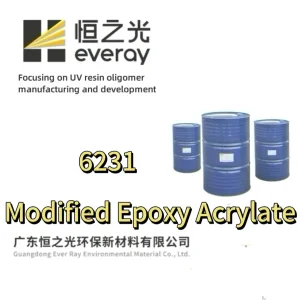
Buy Fast Curing Modified Epoxy Acrylate Resin 6231 for High Gloss UV Coatings and Inks Manufacturer, Supplier
Explore Technical Specs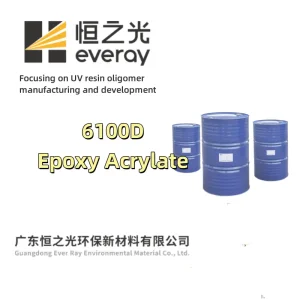
High-Quality 6100D Epoxy Acrylate UV Resin: Excellent brightness and shrinkage resistance for UV inks Manufacturers, Factory
Explore Technical Specs
Industrial Landscape Analysis
The Dynamics of Radiation Curing in the Italian Market
An in-depth perspective on why Italy remains Southern Europe's primary proving ground for UV/EB curable polymer chemistries.
€4.2B
Italian Wood & Furniture Coatings Market Value
100%
Solids Oligomer Chemistry Targeting Zero VOC
<0.5%
Batch-to-Batch Viscosity Tolerance Guarantee
395nm
Optimized LED Peak Absorption Kinetics
The Italian industrial landscape represents a world-renowned blend of artisanal heritage and cutting-edge process automation. From the high-end furniture clusters of Brianza (Lombardy) and Pesaro (Marche) to the ceramic tile innovators of Sassuolo (Emilia-Romagna) and the packaging converting hubs across the Veneto region, Italian manufacturers demand surface treatments that balance extraordinary aesthetic brilliance with rigid mechanical resilience. Historically reliant on traditional solventborne polyurethane and nitrocellulose systems, Italian coaters face mounting pressure from the European Union Industrial Emissions Directive (IED 2010/75/EU) and national decarbonization mandates under the Italian PNRR (Piano Nazionale di Ripresa e Resilienza).
This structural regulatory shift has propelled radiation-curing technology (UV, UV-LED, and Electron Beam) from a niche operational option to an indispensable standard. Acrylate oligomers—specifically Bisphenol-A epoxy acrylates, aliphatic and aromatic polyurethane acrylates (PUA), and hyperbranched polyester acrylates—form the chemical backbone of this green transition. Formulators across Milan, Turin, and Bologna are redesigning industrial coatings, flexographic inks, and overprint varnishes (OPV) to achieve near-instantaneous curing speeds without emitting hazardous air pollutants (HAP) or volatile organic compounds (VOC).
Brianza & Pesaro Wood Clusters
Italian luxury cabinetry, parquetry, and designer furnishings require deep wood-grain enhancement, rapid sanding response, and extreme resistance to household chemicals and scratching. Modified epoxy acrylates like our 9105A-80 and 6231 provide formulators with ultra-high double-bond conversion and minimal shrinkage on natural substrates.
Veneto Packaging & Flexo Converting
Flexible food packaging, cosmetic folding cartons, and wine label converters require ultra-low migration and fast press speeds exceeding 300 m/min. Low-odor polyester acrylates like 5335F and 5017 provide exceptional pigment wet-out, water-ink balance, and compliance with the Swiss Ordinance and Nestlé Guidance Notes.
Arzignano Leather & Luxury Goods
Supplying tanneries serving luxury automotive interiors and fashion leathergoods, high-flexibility aliphatic polyurethane acrylates provide the required Bally flex resistance (over 100,000 cycles at -10°C) without micro-cracking, yellowing, or compromising the natural tactile feel of calfskin.
Next-Generation Chemistries
Macro Industry Solutions & Radiation Curing Roadmap
Addressing structural bottlenecks in energy costs, UV-LED retrofit programs, and migration control across the Italian European single market.
European energy market volatility has accelerated the retirement of energy-intensive medium-pressure mercury arc lamps in favor of energy-efficient UV-LED arrays (operating predominantly at 365nm, 385nm, and 395nm). This transition presents acute formulation challenges. Traditional epoxy acrylates often suffer from severe oxygen inhibition at the air-coating interface under monochromatic UV-LED irradiation, resulting in persistent surface tackiness and impaired mechanical hardness. Furthermore, conventional oligomers with high residual free acrylic acid or unreacted monomers risk disqualification under REACH SVHC (Substances of Very High Concern) reviews.
Our macromolecular engineering solves these constraints by incorporating intrinsic amine synergists, optimizing molecular weight distributions, and building dendritic polyester frameworks that dramatically increase radical reaction efficiency without spiking bulk formulation viscosity.
Photobleaching & Radical Yield
Engineering amino-acrylate hybrids that act as internal hydrogen donors for Type II photoinitiators, eliminating surface oxygen inhibition on high-speed Italian roll-coaters running at up to 120 m/min under 395nm LED lamps.
Bio-Attributed Oligomers
Synthesizing polyester acrylates derived from bio-succinic acid and renewable polyols, providing Italian formulators with up to 45% bio-based carbon content verified via ASTM D6866 without sacrificing mechanical hardness or chemical stain resistance.
Shadow-Cure Acrylate-Isocyanates
Dual-functional UV-moisture curable polyurethane acrylates specifically developed for three-dimensional automotive trim components and vacuum metallization processes in Northern Italy where direct UV line-of-sight is geometrically obstructed.
Supply Chain Integrity
China Industry 4.0: Scale, Precision, and Supply Chain Resilience
Bridging global manufacturing capacity with European compliance standards to secure cost-competitive raw material stability.
Global supply disruptions, raw material allocation crises, and European petrochemical plant closures have underlined the fragility of single-region procurement models. Italian chemical distributors and end-use formulators increasingly adopt dual-sourcing strategies that couple domestic compounding agility with robust, vertically integrated primary manufacturing bases. Our state-of-the-art production base in Yunfu, Guangdong, exemplifies this new paradigm of China Factory 4.0 manufacturing resilience.
Operating modern, fully automated distributed control systems (DCS), our synthesis reactors execute precise esterification, condensation, and addition polymerization cycles under continuous digital parameter tracking. Multi-stage thin-film falling evaporation guarantees minimal residual solvent levels (<0.05%) and trace monomer fractions. This level of automated process discipline eliminates batch-to-batch color drift (Gardner color <1.0) and guarantees viscosity precision within ±5% across 20-ton production batches.
| Performance Parameter | Standard Market Supply | China Factory 4.0 Benchmark | Italian Industrial Benefit |
|---|---|---|---|
| Viscosity Tolerance (25°C) | ±15% to ±20% variation | ±3% to ±5% controlled | Zero formulation recalibration on automatic blending lines |
| Residual Free Monomer | 0.5% - 2.0% | <0.1% (High Purity) | Low skin irritation, odor reduction, REACH compliance |
| Acid Value Control | <10 mg KOH/g | <2 mg KOH/g | Prevents pigment flocculation and package corrosion |
| Color Stability (Gardner) | 1.5 - 3.0 | ≤0.5 (Optically Clear) | Essential for Italian high-gloss white furniture & clear topcoats |
| Supply Lead Time Resilience | Spotty regional allocation | Buffer inventory + 40,000m² scale | Guaranteed uninterrupted long-term delivery contracts |
European Regulatory Alignment
Localization Support, REACH Stewardship & Global Procurement
Eliminating regulatory frictions for European importers through transparent chemical compliance, certified documentation, and specialized packaging.
Full REACH Registration & OR Service
Importing specialty acrylates into the European Union demands rigorous adherence to REACH Regulation (EC) No 1907/2006. We operate established partnerships with leading EU-based Only Representatives (OR). Italian buyers receive comprehensive tonnage coverage certificates, full CLP GHS safety data sheets in Italian, and verification that zero substances fall under Annex XIV authorization or Annex XVII restrictions.
Intermodal Shipping to Genoa & Trieste
Industrial resins require strict thermal management during maritime transit to prevent autopolymerization or premature gelation. We utilize specialized UV-inhibited packaging, including UN-certified 200kg steel drums and 1000kg composite IBCs with nitrogen blanketing. Our logistics corridors provide regular scheduled departures to northern Italian maritime hubs (Genoa, La Spezia, and Trieste) with dedicated customs clearance facilitation.
Technical Help Desk
Frequently Asked Technical & Sourcing Questions
Direct answers for formulation chemists, plant managers, and procurement officers operating across Italy.
How do your epoxy acrylates prevent yellowing in high-gloss Italian white furniture finishes?
Standard Bisphenol-A epoxy acrylates can exhibit color degradation when exposed to intense UV post-curing or thermal aging due to the oxidation of ether linkages and aromatic cores. For Italian furniture topcoats requiring ΔE < 1.5 after 500 hours QUV-A testing, we recommend our chemically modified grades, such as 6231 or aliphatic urethane blends like 7296-1. These feature modified aliphatic chains and end-capped phenolic rings that inhibit quinoid chromophore formation under thermal or radiant stress.
Which oligomers provide the best balance between Bally flex and abrasion in Italian synthetic and genuine leather?
For synthetic PU leather and genuine bovine hides processed in Vicenza and Tuscany, we advise our hexafunctional and trifunctional aliphatic polyurethane acrylates (such as our Wholesale Low Shrinkage High Flexibility UV Curing PUA). These polymers utilize polyether or polycarbonate soft segments with low glass transition temperatures (Tg below -20°C), preventing embrittlement while providing exceptional pencil hardness and abrasion resistance (Taber CS-10, 1000 cycles < 20mg loss).
How can Italian packaging converters ensure compliance with low migration standards for food contact materials?
Compliance with Regulation (EC) 1935/2004 and the Swiss Ordinance necessitates that the finished print contains minimal migratable species. We formulate our graphic arts polyester acrylates (such as 5335F and 5017) with high functional density, narrow polydispersity indices (PDI), and stringent post-reaction stripping to remove residual starting substances. These resins ensure total specific migration limits (SML) well within EU regulatory thresholds when cured using appropriate photoinitiator packages.
What documentation is provided to Italian purchasing departments prior to order dispatch?
Every commercial consignment is accompanied by a batch-specific Certificate of Analysis (COA) specifying Brookfield viscosity (at 25°C), Gardner color, acid value, non-volatile content, and water content. Furthermore, we provide full REACH OR confirmation letters, GHS-compliant Safety Data Sheets in Italian, and standard Technical Data Sheets (TDS) detailing starting formulation guidelines and compatibility matrices.
Expanded Grade Selection
Comprehensive Product Matrix for Industrial Applications
Advanced oligomers designed for specialty adhesives, vacuum metallization, anti-yellowing glass treatments, and heavy-duty wear coatings.
Wholesale 6200D UV-resin in shadowless glue systems Factory, Factories
Explore Technical Specs
High-Quality Fast curing and strong adhesion 1730 UV resin suitable for vacuum plating Manufacturer, Suppliers
Explore Technical Specs
Wholesale Low Shrinkage High Flexibility UV Curing Polyurethane Acrylate Resin for Nail Gel, Leather and Wood Manufacturer, Supplier
Explore Technical Specs
High-Quality 5320 polyester acrylate: optimal ink wettability and high gloss Factory, Factories
Explore Technical Specs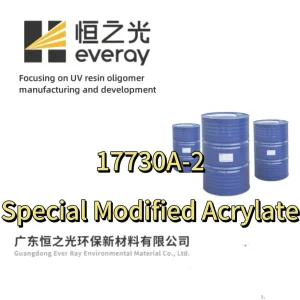
High-Quality 17730A-2 Special Modified Acrylate Resin High Water Resistance & Leveling Anti-Yellowing for Glass UV Coating & Ink Manufacturer, Products
Explore Technical Specs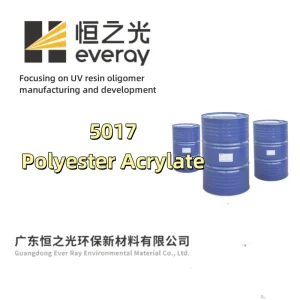
Buy UV Resin 5017 with Low Odor, Low Shrinkage for UV Inks and Varnishes Manufacturers, Suppliers
Explore Technical Specs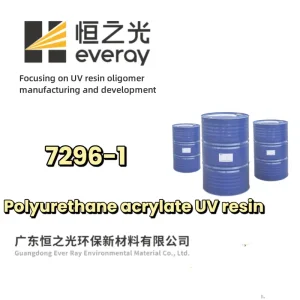
Wholesale 7296-1: High quality polyurethane acrylate with excellent wear and impact resistance Manufacturer, Product
Explore Technical Specs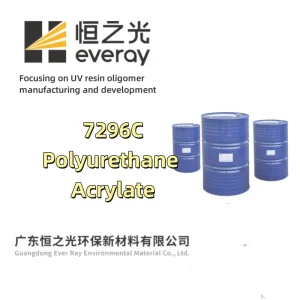
Buy Durable 7296C UV resin: solvent-resistant, abrasion-resistant, suitable for nail polish and wood coating Manufacturers, Factory
Explore Technical SpecsPartner with Ever Ray for Your Italian Market Expansion
Whether formulating next-generation UV-LED wood coatings, compliant food packaging inks, or ultra-durable leather finishes, our engineering team provides trial samples, starting formulations, and direct technical collaboration.
Send Inquiry Now