
Primary Chemical Portfolio
Featured UV Varnish Resins & Oligomer Precursors
High-performance reactive building blocks synthesized under strict quality protocols for exceptional hardness, elasticity, and cure velocity.
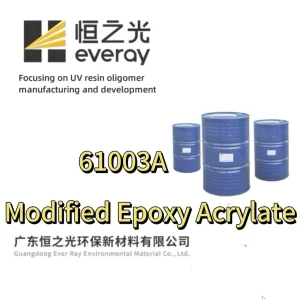
61003A Tough & Anti-Yellowing Modified Epoxy Acrylate Oligomer
Explore 61003A Specs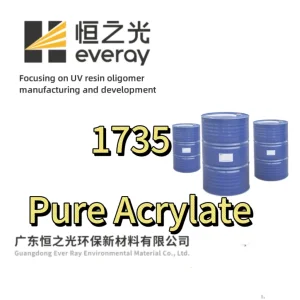
Low-Shrinkage, High-Flexibility Pure Acrylate Resin for Substrate Adhesion
Explore Acrylate Specs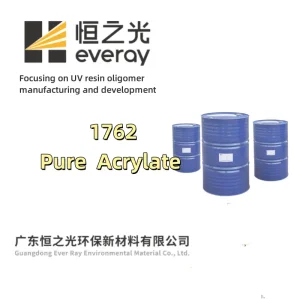
1762 High Bonding Strength UV Adhesive Resin - Non-Yellowing Grade
Explore 1762 Specs
High-Gloss, Fast-Curing Modified Epoxy Acrylate Oligomer Base
Explore Oligomer Specs
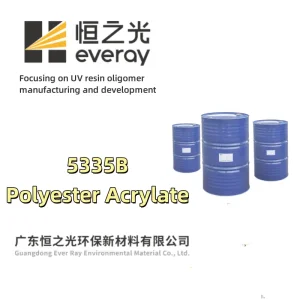
Fast-Reacting 5103 Polyester Acrylate Resin for Flexible Surface Curing
Explore 5103 Specs
6106 Fast-Curing Modified Epoxy Acrylate — High Tensile & Scratch Proof
Explore 6106 Specs
7911 Aliphatic Polyurethane Acrylate for Superior Weatherability
Explore 7911 Specs
Technical Whitepaper
Engineering Principles of Modern UV Nail Varnish & Gel Systems
A comprehensive look at cross-linking kinetics, polymer functionality, and balancing mechanical durability with biocompatible nail adhesion.
In modern professional cosmetics and precision coatings, UV nail varnish represents one of the most chemically sophisticated applications of free-radical photo-polymerization. Unlike rigid wood coatings or industrial metal lacquers, nail varnish systems must fulfill opposing performance parameters: high scratch resistance and gloss retention on the surface, paired with exceptional elastic recovery and gentle peel/soak-off capability at the interface of human keratin.
The Triad of Nail Gel Architecture: Oligomer Backbone Chemistry
Formulating a long-lasting, safe UV gel varnish requires a balanced synergy of oligomeric matrices, functional reactive diluents, and high-efficiency photoinitiators tailored to LED wavelengths (365–405 nm):
| Polymer Class | Molecular Backbone | Crosslink Density | Key Function in UV Nail Varnish |
|---|---|---|---|
| Aliphatic Urethane Acrylate (PUA) | Isophorone diisocyanate (IPDI) / Polyether or Polycarbonate polyols | Medium-High (Di- to Hexa-functional) | Zero-yellowing clarity, flexibility to prevent edge chipping, and superior resistance to cosmetic solvents and hot water. |
| Modified Epoxy Acrylate | Bisphenol-A epoxy core modified with fatty acids or caprolactone | High (Difunctional, high reactivity) | Delivers surface hardness (2H–3H pencil rating), rapid tack-free surface curing, and mirror-level optical gloss. |
| Polyester Acrylate | Hyperbranched or linear polyester ester chains | Variable (Di- to Tetra-functional) | Low-viscosity vehicle optimizing pigment wetting, eliminating color settling, and aiding in swift acetone soak-off dissolution. |
| Functional Adhesion Promoters | Phosphate ester methacrylates or carboxylated acrylates | Monofunctional / Acidic | Bonds chemically to natural keratin hydrogen-bonding sites, negating deep mechanical buffing or harmful acid etching. |
Managing shrinkage stress during polymerization is the critical bottleneck in high-end UV varnish formulation. Standard acrylates exhibit volumetric contraction up to 8–12%, leading to customer discomfort (exothermic spikes) and premature edge detachment. By incorporating steric-hindered hyperbranched oligomers and pure acrylate co-binders, our synthesis models reduce volumetric contraction to under 3.5%, preserving structural integrity across 28+ days of wear.
28+
Days Gloss Durability
<3.5%
Shrinkage Stress Factor
100%
HEMA / HPMA Free Compliant
30s
Rapid LED Crosslinking
Manufacturing Infrastructure
Direct China Factory Supply Chain Advantages
From raw monomer synthesis to automated formulation blending, our Guangdong industrial hub delivers cost resilience, capacity scale, and end-to-end QC tracking.
Upstream Monomer Integration
Unlike contract bottlers who buy intermediates, our factory controls the chemical synthesis of base epoxy, polyester, and aliphatic urethane oligomers. This vertically integrated loop insulates global buyers from market spikes and raw material shortages.
Automated Batch Consistency
With PLC-monitored polymerization reactors and automated viscosity titration, every 5-ton batch matches strict GPC molecular weight distribution windows. Batch-to-batch delta-E color consistency is verified through precision spectrophotometry.
Bulk Drum to OEM Bottling
Whether you need raw oligomers shipped in 200kg steel drums or 1000kg IBC containers for custom blending, or fully finished salon-ready varnishes pre-packaged into consumer bottles, our supply lines provide scalable OEM/ODM packaging flexibility.
Quality Assurance & Safety
Localization, Regulatory Compliance & Chemical Safety
Full alignment with global cosmetic and industrial chemical restrictions ensures seamless market entry across Europe, the Americas, and the Asia-Pacific region.
EU Cosmetics (EC No 1223/2009)
Formulated entirely free from prohibited CMR substances. We provide complete toxicological profiles, Cosmetic Product Safety Reports (CPSR), and full CPNP notification files for EU-bound brand distributors.
US FDA & MoCRA Readiness
Strict compliance with the Modernization of Cosmetics Regulation Act (MoCRA). Every formulation undergoes heavy metal migration assays, residual monomer gas chromatography (<0.01% free acrylic acid), and facility registration.
Full SDS, TDS & GHS Labeling
Comprehensive 16-section Safety Data Sheets with local customs HS code tracking, REACH-registered chemical inputs, and DG air/sea transportation certification guarantees non-delayed global logistics handling.
Versatile Use Cases
Localized Application Scenarios & Industry Evolution
From salon workstations to high-speed digital printing lines, our oligomers power precision curing across multiple specialized markets.
Hypoallergenic & Bio-Derived Resins
Emerging regulatory bans on HEMA and Isobornyl Acrylate (IBOMA) have accelerated the demand for high-molecular-weight, low-sensitizing oligomers. Our R&D team produces bio-based urethanes utilizing sustainable vegetable-based diols.
3-in-1 One-Step Varnish Formulations
Eliminating base and top coats, modern speed-salon systems require a hybrid monomer blend providing instantaneous bonding to unbuffed keratin, balanced thixotropy for self-leveling, and an oxygen-inhibited tack-free cure in under 30 seconds.
Hybrid Overprint & Industrial Varnishing
Adapting high-flexibility nail oligomers into flexographic and screen-printed graphic arts, packaging overprints, and consumer electronic shells that undergo post-cure thermoforming and extreme elongation without micro-fracturing.
Targeted Substrate Resins
High-Adhesion Specialty Oligomers & Industrial Formulations
From LED-UV curing systems to dual-curing photopolymers, match your exact manufacturing profile with custom resin grades.
Polyester Acrylate 5501 — Core Resin for Energy-Saving LED-UV Curing
Explore 5501 Specs
6203F Specialized Acrylate for Superior Metal Adhesion & Printing Inks
Explore 6203F Specs
Low-Viscosity 6300 Modified Epoxy Acrylate for Ultra-Fast Paper Varnishes
Explore 6300 Specs
5403DF Polyester Acrylic Resin for High-Definition Flexographic Printing
Explore 5403DF Specs
72017A-8 Dual-Curing High-Elasticity Resin for Engineered Additive Systems
Explore 72017A Specs
6271 High Abrasion & Yellowing Resistance Modified Epoxy Acrylate
Explore 6271 Specs
Flexible Modified Epoxy Acrylate Oligomer for Plastic Surface Coating
Explore Plastic Resin
72923 Fast-Cure Non-Yellowing Polyurethane Acrylate for Peelable Systems
Explore 72923 Specs
Direct Answers
Technical & Procurement FAQ
Clear, chemical-grade specifications to assist chemical engineers, purchasing executives, and brand owners in qualifying suppliers.
What differentiates aliphatic from aromatic urethane acrylates in UV nail varnish synthesis?
Aliphatic urethane acrylates are synthesized with aliphatic diisocyanates (such as IPDI or H12MDI), resulting in a cured polymer matrix that lacks UV-absorbing aromatic rings. This eliminates photo-oxidation, yellowing, and brittleness upon prolonged light exposure, making aliphatic grades indispensable for crystal-clear topcoats and pale pastel nail polishes. Aromatic urethane acrylates (based on TDI or MDI) provide higher hardness, excellent chemical resistance, and lower raw material cost, but are prone to yellowing, rendering them suitable primarily for dark wood sealers, pigmented floor topcoats, and industrial adhesives rather than cosmetic nail varnishes.
How do your resins overcome oxygen inhibition in thin-film LED curing?
Atmospheric oxygen rapidly quenches free radicals generated at the air-coating interface, leading to tacky, under-cured surfaces, particularly under lower-energy 395nm/405nm LED lamps. Ever Ray addresses this by formulating amino acrylate synergists and hyperbranched polyester matrices directly into the resin backbones. The tertiary amine structures donate hydrogen atoms to peroxy radicals, regenerating active alkyl radicals that consume dissolved oxygen and drive complete surface conversion without needing inert nitrogen blanketing.
Can you manufacture custom-viscosity oligomers for brush-on vs. industrial roller applications?
Yes. Viscosity is governed by polymer molecular weight and monomeric diluent combinations. For salon nail varnishes, we tailor the thixotropic index between 3,000 and 6,500 mPa.s (at 25°C) using low-skin-irritation mono- and di-acrylates, providing self-leveling brushability without cuticular flooding. For industrial roller, spray, or screen-print varnishing, viscosity can be adjusted down to 200–800 mPa.s or up to 25,000 mPa.s upon custom lab synthesis requests.
What documentation is provided to satisfy global cosmetic and chemical import inspections?
Every shipment is accompanied by a batch-specific Certificate of Analysis (COA) containing verified solids content, acid value, viscosity, and Gardner color ratings. For cosmetic brands exporting to the EU, UK, and US, we supply full raw material chemical composition statements, 16-section GHS SDS documents in multi-language translations, allergen declarations, animal testing bans compliance, and heavy metal test results (ICP-MS) complying with ISO 22716 Good Manufacturing Practices.
What are your MOQ requirements and lead times for export shipments?
For standard in-stock oligomers and resins, the minimum order quantity (MOQ) is 200 kg (one standard drum) or four 25kg pails for trial evaluation. Custom molecular synthesis or specialized color-matching projects typically require a 1,000 kg initial pilot batch. Standard lead times range from 7 to 12 working days from our Yunfu production base to major shipping ports (Shenzhen/Guangzhou/Hong Kong).
