Industrial Technical White Paper & Direct Factory Supply

Wholesale Modified Acrylate for Glass Coating: Supplier & Product Architecture

Engineered UV/LED Curable Acrylic Oligomers & Silane Hybrid Resins Delivering Ultra-Low Curing Shrinkage, Boiling Water Immersion Resistance, and Direct Glass Interfacial Crosslinking.

Precision Engineering Solutions

Core Modified Acrylate Product Series (Part I)

Direct-to-factory wholesale inventory featuring tailored refractive indices, superior chemical resistance, rapid photocuring kinetics, and high bonding integrity across silica and specialty mineral substrates.

Wholesale 67283 Rapid-setting yellowing-resistant modified epoxy acrylate solution
Wholesale 67283:Rapid-setting yellowing-resistant modified epoxy acrylate solution Manufacturers, Supplier
View Specifications
Wholesale 6231 Curing modified epoxy acrylate with excellent leveling properties
Wholesale 6231:Curing modified epoxy acrylate with excellent leveling properties Manufacturer, Suppliers
View Specifications
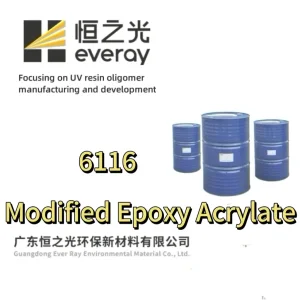
High-Quality 6116 Low Viscosity UV Curing Epoxy Oligomer
High-Quality 6116 Low Viscosity UV Curing Epoxy Oligomer, High Flexibility Acrylic Resin for Matte Wood & Ink Coatings Manufacturers, Products
View Specifications
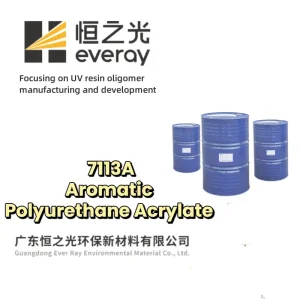
Wholesale Aromatic PA UV-resin 7113A
Wholesale Aromatic PA UV-resin 7113A for UV Vacuum-metallization and Plastic-coating Manufacturers, Suppliers
View Specifications
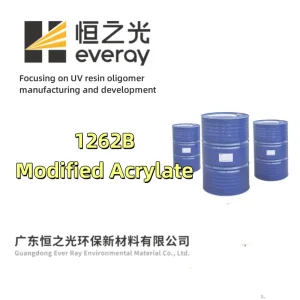
Wholesale Low viscosity 1262B
Wholesale Low viscosity 1262B: suitable for PVC floor coating applications Manufacturer, Supplier
View Specifications
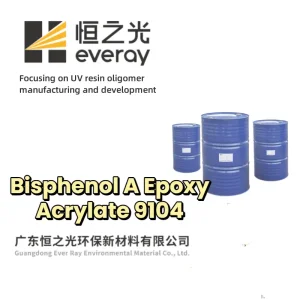
Buy Bisphenol A Epoxy Acrylate Resin 9104
Buy Bisphenol A Epoxy Acrylate Resin 9104: A Core Resin for High-Performance UV Coatings Factory, Products
View Specifications
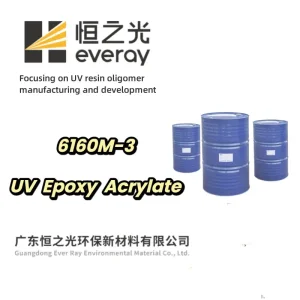
High-Quality 6160M-3 Fast curing modified epoxy acrylate
High-Quality 6160M-3: Fast curing modified epoxy acrylate for improved performance Manufacturer, Supplier
View Specifications
Buy Anti-Yellowing Polyurethane Acrylate Oligomer
Buy Anti-Yellowing Polyurethane Acrylate Oligomer-High Flexibility UV Resin for Adhesive and Nail Gel Manufacturer, Factory
View Specifications
Industry Frontier Analysis

Overcoming the fundamental thermodynamic thermodynamic and mechanical barriers of smooth, non-porous vitreous substrates through molecular-level macromolecular design and hybrid organic-inorganic polymer network formulation.

Silane-Grafted Organic-Inorganic Hybrids

Traditional acrylic oligomers suffer from high volumetric polymerization shrinkage (often exceeding 6% to 10%), generating massive internal shear stresses that catastrophically delaminate films from inorganic silicate networks. Next-generation modified acrylate for glass coating incorporates alkoxysilane functionalities—such as methacryloxypropyltrimethoxysilane (MPTMS) or sol-gel derived silsesquioxane cages—directly into the polyurethane or epoxy acrylate backbone.

This allows dual-cure mechanisms: rapid free-radical UV photocuring of acrylic double bonds (C=C) combined with secondary moisture-driven condensation forming covalent Si-O-Si and Si-O-Glass oxane bonds. The result is uncompromised adhesion exceeding 5B (ASTM D3359) even after extended hydrolytic aging.
LED Low-Energy & High-Wavelength Curing

Global manufacturing operations are rapidly divesting from mercury vapor curing lamps in favor of 365nm, 385nm, and 395nm UV LED arrays. Consequently, acrylate oligomers are modified with tertiary amine synergists, hyperbranched polyether blocks, and electron-rich aliphatic urethane backbones.

These engineered chemistries substantially mitigate oxygen inhibition at surface air interfaces, eliminate surface tackiness under low radiant energy flux (<300 mJ/cm²), and prevent thermal warping of tempered architectural panels or thin display cover sheets during high-throughput roll and spray application lines.

PFAS-Free Hydrophobic & Oleophobic Functionalization

Regulatory mandates across the EU (REACH) and North America (EPA TSCA) are aggressively restricting long-chain per- and polyfluoroalkyl substances (PFAS). Contemporary synthesis focuses on fluor-free reactive polysiloxanes and long-chain alkyl/cyclic modified oligomers.

These modifications segregate to the air-film boundary during cure, driving water contact angles above 105° and hexadecane contact angles above 65° without impeding interfacial primer adhesion. This delivers superior anti-smudge, self-cleaning, and optical anti-glare characteristics for touch panels, automotive glass, and architectural facades.

5B
Crosshatch Adhesion (ASTM D3359)
< 3.2%
Volumetric Cure Shrinkage Rate
> 120 h
Boiling Water Immersion (100°C)
0.05 ΔE
QUV Weathering Optical Stability
Enterprise Formulation Engineering

Macro Industry Solutions for High-Stress Glass Applications

A systematic architectural review of failure mechanisms in glass coatings and the corresponding modified oligomer chemical paradigms developed to counteract them.

Elimination of Hydrolytic Debonding

Industrial Dilemma: Glass contains active, hydrophilic surface silanol groups (Si-OH) that readily absorb ambient water vapor. Traditional acrylic films form weak hydrogen bonds that disintegrate when exposed to elevated relative humidity (>85% RH) or hydrothermal immersion tests, resulting in blister formation and complete film peel-off.

Formulation Solution: Ever Ray engineers oligomers synthesized with terminal trimethoxy- and triethoxysilane groups coupled with aliphatic urethane segments. When cured, the film undergoes in-situ condensation with surface hydroxyls, creating indestructible Si-O-Si bonds that easily survive standard boiling water tests exceeding 2 to 4 hours without delamination.

Internal Cure Shrinkage Stress Buffering

Industrial Dilemma: High-functionality acrylics (penta- and hexa-acrylates) provide unmatched pencil hardness (up to 4H-6H) and scratch resistance, but their extreme crosslinking density induces substantial shrinkage stress. This stress causes edge lifting, microscopic crazing, and thermal micro-cracking across rigid glass surfaces.

Formulation Solution: Utilizing hyperbranched and flexible-block modified epoxy and polyurethane acrylates (such as the 6160M-3 and 7200F series). Incorporating soft polyester or polyether segments alongside rigid isocyanurate rings yields a bi-continuous network that effectively relaxes internal kinetic strain while maintaining high glass-transition temperatures (Tg > 65°C).

Extreme Temperature & Optical Resilience

Industrial Dilemma: Glass panels utilized in automotive HUD windshields, solar photovoltaic covers, and outdoor smart kiosks face intense solar UV-A/UV-B irradiation coupled with thermal cycling between -40°C and +85°C, causing catastrophic yellowing (Δb* > 3.0) and brittleness.

Formulation Solution: Implementing purely aliphatic, isophorone diisocyanate (IPDI) and hexamethylene diisocyanate (HDI) derived polyurethane acrylates free from aromatic amine by-products. These resins possess inherent UV transparency, high thermal resistance (Tg up to 110°C), and exceptional mechanical elongation that dampens substrate thermal expansion mismatches.

Engineering Parameter Matrix: Modified Acrylate Oligomer Chemistries for Glass

Comparative technical verification standards based on ISO, ASTM, and DIN performance criteria for industrial formulators.

Resin Chemistry Family Viscosity (25°C, mPa·s) Cure Functionality Volumetric Shrinkage Glass Adhesion (Dry / Boil) Recommended Industrial Sector
Silane-Modified Epoxy Acrylate 12,000 – 25,000 2.0 – 2.5 2.8% – 3.5% 5B / 5B (2h boiling) Cosmetic Bottle Printing, Flat Glass Inks
Aliphatic Polyurethane Acrylate (High Elongation) 8,000 – 18,000 2.0 – 3.0 1.9% – 2.6% 5B / 4B (1h boiling) Automotive Glazing, Display Optical Bonding
Hyperbranched Multi-Functional Acrylate 2,500 – 6,000 6.0 – 12.0 4.5% – 5.8% 4B / 3B (Primer req.) Anti-Scratch Glass Topcoats, Touch Screen Lens
Polyester Acrylate Low-Viscosity Oligomer 500 – 1,800 3.0 – 4.0 3.8% – 4.9% 5B / 4B (With silane) High-Speed Screen Inks, Roller-Coated Varnish
Waterborne Polyurethane Acrylate (WB UV) 50 – 300 (Dispersion) 2.0 – 3.0 < 1.5% 5B / 4B (Post-bake) Zero-VOC Architectural Glass, Mirror Backing
B2B Sourcing & Quality Governance

Global Procurement Specifications & Quality Assurance Mandates

Strategic guidance for enterprise raw material procurement directors, formulation chemical engineers, and supply chain quality auditors sourcing bulk UV modified acrylates.

Batch-to-Batch Viscosity Precision

Viscosity drift wreaks havoc on automated high-speed roll coaters and flexographic print heads. Our smart digital manufacturing process guarantees narrow viscosity tolerances within ±5% of nominal TDS targets, governed by automated rotational viscometry at calibrated 25.0°C conditions.

Acid Value & Inhibitor Balance

Uncontrolled residual acrylic acid leads to rapid steel container corrosion, premature gelation, and pH drift. Our modified acrylates feature ultra-low acid values (< 1.0 mg KOH/g) stabilized with pharmaceutical-grade MEHQ inhibitors, providing guaranteed 12-month shelf stability under 25°C dark storage.

Zero Residual Isocyanate Monomer

In polyurethane acrylate synthesis, trace free isocyanates (NCO) pose severe respiratory health hazards and trigger unwanted side-reactions. Our advanced end-point infrared spectroscopy (FTIR) guarantees undetectable free -NCO peak absorbance (< 0.01%), ensuring safe handling for line technicians.

Trace Metals & Halogen Restriction

For electronic glass, solar PV, and display cover lenses, trace ionic contamination causes current leakage and electrochemical corrosion. Ever Ray materials comply with stringent halogen-free thresholds (Cl < 900 ppm, Br < 900 ppm, Total < 1500 ppm) tested via Oxygen Bomb Combustion Ion Chromatography.

Global Regulatory & Technical Support

Localized Support, Regulatory Compliance & Technological Roadmap

Uncompromising alignment with worldwide environmental regulations, accompanied by robust on-site application engineering services and forward-looking polymer R&D.

Full Global Chemical Inventory Compliance

Ever Ray supplies raw materials validated for global commerce. Every commercial grade comes accompanied by comprehensive dossiers fulfilling:

  • EU REACH: Full registration and SVHC screening (< 0.1% w/w).
  • US EPA TSCA: Verified listing on active chemical substance inventory.
  • RoHS & Packaging Directives: Heavy-metal-free validation (Pb, Cd, Hg, Cr VI).
  • GHS Classification: 16-section standard multi-lingual SDS & TDS available.

Bespoke Application Lab Formulation Support

Formulating for glass is an interfacial science that depends on cleaning protocols, atmospheric exposure, and lamp spectrum. Our Guangdong technical research team operates:

  • Substrate Surface Energy Analysis: Dyne ink & goniometer profiling.
  • Spectroradiometric Cure Optimization: UV-A, UV-B, UV-V energy matching.
  • Accelerated Life Testing: Xenon arc, QUV weatherometers, damp-heat chambers (85°C/85% RH for 1000 hrs).
  • Starting Point Formulations: Customized pigment pastes, defoamers, and adhesion promoters tailored to your coater.

Strategic 2026-2030 Technology Roadmap

Looking toward future industrial demands, Ever Ray's macromolecular pipeline focuses on three key breakthroughs:

  • Bio-Renewable Carbon Backbones: Introducing plant-derived polyols and itaconate modifiers to achieve > 40% renewable content without compromising thermal stability.
  • Self-Healing Vitrimer Chemistry: Dynamic covalent bond exchange enabling micro-scratch recovery on glass surfaces under mild heat.
  • Ultra-High Refractive Index (RI > 1.62): Acrylate resins enriched with zirconium oxide (ZrO₂) nano-dispersions for advanced AR optical displays.
Technical FAQ Knowledge Base

Frequently Asked Formulation & Sourcing Questions

In-depth answers curated by Ever Ray's chief polymer engineers addressing the hardest operational hurdles in glass UV coating formulations.

Why do unmodified epoxy or polyurethane acrylates consistently fail crosshatch adhesion on glass after 24 hours?
Unmodified acrylates bond to glass solely via non-covalent dipole interactions and weak hydrogen bonds with surface hydroxyl groups (Si-OH). During the UV photopolymerization process, acrylic double bonds convert from van der Waals distances (~3.4 Å) to covalent bond distances (~1.54 Å), producing 6% to 10% volumetric shrinkage. This shrinkage generates immense shear stress at the glass-film interface. Over 24 hours, post-cure dark polymerization and ambient moisture migration displace these weak hydrogen bonds. Without silane-coupling modification or specialized flexibilizing segments to dissipate stress and form covalent Si-O-Glass bonds, the coating inevitably experiences spontaneous peeling or crosshatch delamination (0B rating).
What chemical mechanisms enable modified acrylates to survive the 2-hour boiling water immersion test (100°C)?
Surviving boiling water immersion demands both hydrolytic stability and interfacial covalent anchoring. Ever Ray's modified acrylates incorporate dual functional systems: (1) Sterically hindered alkoxysilane groups (trialkoxysilane or dialkoxysilane) that hydrolyze with trace surface water to produce silanols, which subsequently condense with glass surface silanols to yield high-energy covalent siloxane (Si-O-Si) linkages (bond energy ~460 kJ/mol, far higher than H-bonds at ~20 kJ/mol). (2) Hydrophobic aliphatic urethane backbones that resist hydrolytic ester cleavage even under boiling temperatures, preventing water molecules from swelling the crosslinked polymer network and displacing the interfacial bond.
How does Ever Ray resolve the dilemma between 4H-6H pencil hardness and film flexibility on glass?
Achieving high surface hardness while avoiding brittle cracking requires an interpenetrating polymer network (IPN) or a core-shell dendrimer architecture. We synthesize hyperbranched acrylic oligomers with a flexible polyether/polycaprolactone core and a densely acrylated periphery (such as in our 7600 and Hyperbranched series), or we blend high-Tg modified epoxy acrylates (like 9104 and 6160M-3) with flexible, elastomeric aliphatic polyurethane acrylates (such as 7296-1). This morphological phase separation allows the surface to achieve high crosslink density (yielding 4H+ pencil hardness and superior steel-wool abrasion resistance) while the flexible rubbery domains absorb impact energy and thermal expansion shocks.
What photoinitiator systems and LED wavelengths are optimal for thick or tinted modified acrylate glass coatings?
Because soda-lime and borosilicate glass absorb short UV wavelengths (< 320nm), through-cure of pigmented or thick coatings (> 20 μm) requires long-wavelength photoinitiators. We recommend acylphosphine oxides, specifically TPO (2,4,6-trimethylbenzoyldiphenylphosphine oxide) or BAPO (bis(2,4,6-trimethylbenzoyl)phenylphosphine oxide), which exhibit strong absorption between 365nm and 405nm and photobleach during exposure, permitting deep photon penetration. When curing with 395nm LED systems, pairing with an alpha-hydroxyketone (e.g., Omnirad 184 or 1173) and an amino acrylate synergist (such as Ever Ray Amino Acrylate series) ensures rapid surface curing without oxygen inhibition.
What packaging containers, pallet configurations, and MOQs are supported for export orders?
Standard international export packaging includes: (1) 20 kg internally coated steel pails with nitrogen head-space purge; (2) 200 kg heavy-gauge UN-rated closed-head steel drums (4 drums per heat-treated fumigated wooden pallet, total 800 kg); and (3) 1,000 kg IBC tote containers for high-volume manufacturing sites. Standard MOQ for catalog grades is 200 kg, while custom synthesis and modified monomer formulations require a 1,000 kg pilot commitment. All shipments undergo comprehensive pre-shipment COA inspection and are reinforced with moisture-barrier stretch-wrap for transoceanic maritime stability.
Specialty Formulation Arsenal

Core Modified Acrylate Product Series (Part II)

Advanced functional oligomers engineered for anti-fouling glass coatings, high-durability flexographic inks, vacuum metallization primers, and impact-resistant substrate bonding.

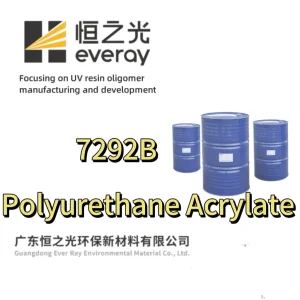
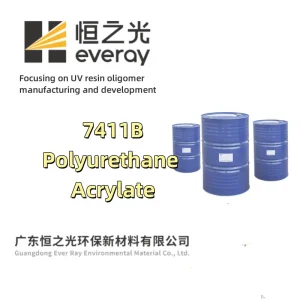
Wholesale 7411B UV Resin low viscosity high solids solution
Wholesale 7411B UV Resin: Ideal low viscosity, high solids solution for matte UV applications Suppliers, Factory
View Specifications
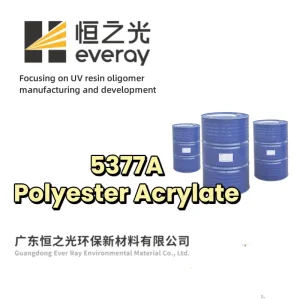
Buy Polyester Acrylate 5377A for flexographic UV inks
Buy Polyester Acrylate 5377A – The Ideal Choice for Flexographic UV Inks Suppliers, Factory
View Specifications
High-Quality Enhance UV coating antifouling 1291B-1
High-Quality Enhance UV coating using the antifouling function of 1291B-1 Suppliers, Product
View Specifications
Buy 71209A-1 ABS-Like Engineering Resin
Buy 71209A-1 ABS-Like Engineering Resin: High Strength Meets High Impact Resistance Factory, Factories
View Specifications
Wholesale High Solid Low Viscosity Modified Acrylate Oligomer
Wholesale High Solid Low Viscosity Modified Acrylate Oligomer - High Elasticity UV Curable Acrylic Resin Factory, Products
View Specifications
High-Quality Fast curing 7402 Polyurethane Acrylate UV resin
High-Quality Fast curing 7402 Polyurethane Acrylate UV resin for high quality coatings Supplier, Products
View Specifications
Wholesale 72017A-8 Dual-Curing UV Resin
Wholesale 72017A-8 Dual-Curing UV Resin for 3D Printed Footwear | High Elasticity & Low Shrinkage Resin Manufacturer, Factories
View Specifications
Buy 72021E UV-resin for Multi-Substrate Bonding
Buy 72021E UV-resin for Multi-Substrate Bonding Factory, Factories
View Specifications