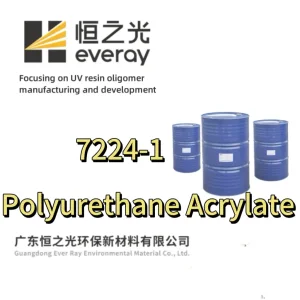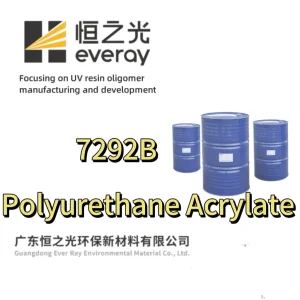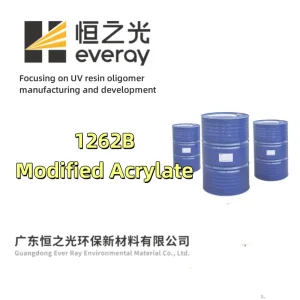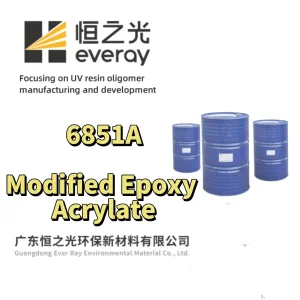
Prime Tier Formulations
Engineered Coating Monomers & Oligomers
Explore initial technical-grade UV resins optimized for precision line-speed curing, ultra-low shrinkage parameters, and multi-substrate crosslinking.
2006
Established Experience
40,000 m²
Yunfu Chemical Base
10+ Lines
Automated Synthesis
10+ Patents
Polymer Architecture
Molecular Customization
We tailor molecular weights, acrylate functionality, and backbone structures (epoxy, polyester, urethane) to directly mitigate yellowing, embrittlement, and volumetric cure shrinkage.
Application-Specific Engineering
From tough optical coatings on polycarbonates to extreme boil-water-resistant glass primers, our resins survive severe cross-hatch peel tests and high-speed automated roller lines.
Stringent Chemical Stewardship
Every industrial synthesis batch undergoes complete spectral testing, GC volatile evaluation, and viscosity rheometry to ensure absolute consistency for export supply agreements.
Macro Market Analysis
Global Trends & Technical Procurement Challenges
Industrial coating supply chains are undergoing rapid evolution. Formulators face escalating regulatory standards and complex functional demands.
1. Zero-VOC & LED Cure Transition
Procurement teams are shifting away from energy-intensive high-pressure mercury lamps toward narrow-wavelength LED (365nm-405nm) systems. Formulations require specialized resins with accelerated surface reactivity and tailored amino-acrylate synergists to bypass atmospheric oxygen inhibition without toxic migratory amines.
2. High-Solids & Waterborne Hybrids
Strict regional air-quality standards (EU REACH, US Clean Air Act, and China GB30981) have forced paint manufacturers to transition from solvent-heavy carriers to 100% reactive solids or high-stability waterborne polyurethane acrylate (WPUA) dispersions that combine low film-build with tough scratch properties.
3. Micro-Shrinkage & High Adhesion
Advanced engineering plastic resins (PMMA, cyclic olefins, untreated PP, PET) experience extreme internal tensile stress during UV polymerization. Wholesale buyers require specialized modified hyperbranched oligomers that achieve 4H-6H pencil hardness without curling or delaminating thin flexible films.
Comparative Engineering
Oligomer Performance & Substrate Matrix
Scientific selection criteria deployed by our R&D application specialists to determine exact resin chemistry matching based on substrate physics and chemical stressors.
| Polymer Architecture | Tensile / Hardness | Elongation | UV Light Stability | Primary Substrates | Target Industrial Use |
|---|---|---|---|---|---|
| Standard Bisphenol A Epoxy Acrylates | Exceptional (5H-6H) | 1% - 5% (Rigid) | Moderate (Prone to Yellowing) | MDF, Hardwood, Paperboard | UV Roller primers, fast sanding sealers, overprint varnishes. |
| Aliphatic Polyurethane Acrylates (PUA) | Balanced (2H-4H) | 15% - 120% (Elastic) | Non-Yellowing (QUV > 1000h) | PC, ABS, PET, Aluminum | Consumer 3C housings, cosmetic topcoats, optical film overlays. |
| Aromatic Polyurethane Acrylates | High Toughness (3H-5H) | 8% - 30% (Resilient) | Low (Indoor Optimized) | PVC, Composite Tile, Wood | Industrial parquet flooring, wear layers, resilient vinyl planks. |
| Hyperbranched Acrylates | Maximum (6H+) | < 2% (Crosslinked) | High Thermal/Light Proof | Glass, Polycarbonate, Metals | Automotive clear coats, anti-fingerprint layers, scratch hard-coats. |
| Functional Polyester Acrylates | Moderate (1H-3H) | 10% - 40% (Flexible) | High Clearness | Paper, Foil, Treated BOPP | High-definition lithographic offset, flexographic, and screen inks. |
Engineered Integration
Macro-Level Industrial Solutions
End-to-end formulation methodologies designed to meet demanding production line conditions.
Precision 3C & Automotive Electronics
Engineered for high thermal tolerance, drop impact resistance, and sweat/cosmetic abrasion resistance. Our aliphatic PUA lines guarantee crystal clarity without solar degradation on automotive interior trim panels and optical smart display bezels.
Continuous Wood & Heavy PVC Line Coatings
Designed for automated flatline roller coaters running at 40-80 meters per minute. High-efficiency epoxy acrylate baselines achieve rapid sanding hardness in milliseconds, preventing sandpaper gumming and reducing factory energy budgets.
Dual-Cure Structural & Optical Adhesives
For assemblies featuring opaque substrates, shadowed cavities, or heat-sensitive touchscreens, our hybrid dual-cure platforms utilize actinic light activation combined with moisture or thermal secondary curing mechanisms.
Global Standards
Regulatory Compliance & Supply Reliability
Enterprise chemical procurement requires verifiable compliance trails, risk-averse logistics management, and batch-to-batch polymer fidelity.
REACH & TSCA Compliance
All oligomers and functional monomers synthesized by Guangdong Ever Ray Environmental Material Co., Ltd. are formulated to comply with EU REACH Annex XVII, SVHC candidate lists, US EPA TSCA inventories, RoHS directives, and strict consumer packaging migration standards.
Batch-to-Batch Stability
Every commercial production batch undergoes ISO-standard rheological profiling, acid value titration, colorimetric APHA scanning, and FTIR spectrum matching against master synthesis curves, accompanied by detailed technical dossiers (TDS & GHS-compliant SDS).
Logistics & Supply Continuity
Located in the chemical development cluster of Yunfu, Guangdong, with direct highway and deepwater maritime port access, Ever Ray maintains dynamic bulk stockpiles of critical diisocyanates, acrylic acids, and polyols to guarantee unbroken supply pipelines.
Next-Gen Roadmap
Engineering Frontiers: 2026-2030 UV Innovations
Anticipating next-generation manufacturing paradigms through sustainable macromolecular chemistry and functional oligomer design.
Bio-Based Carbon Precursors
Synthesizing reactive oligomers utilizing up to 45% bio-derived carbon backbones (succinic acid derivatives, soy-polyols, and renewable diols) without compromising glass transition temperatures (Tg) or water-resistance performance.
Additive Manufacturing Dual-Resins
Advancing photopolymers specifically for SLA, DLP, and CLIP continuous-liquid interface production. Our development pipeline incorporates heat-activated blocked polyurethanes that achieve engineering-grade isotropic tensile performance matching injection-molded ABS and nylon.
Self-Healing & Dynamic Network Co-polymers
Integrating dynamic covalent bonds within hyperbranched structures that utilize ambient thermal stimulation or mild UV exposure to heal surface micro-scratches in high-gloss automotive interior skins and optical lenses.
Technical Guidance
Frequently Answered Technical Questions (FAQ)
Authoritative guidance addressing common processing, chemistry selection, and curing dilemmas encountered by industrial chemists and global procurement executives.
What is the functional difference between aliphatic and aromatic polyurethane acrylate oligomers?
Aliphatic polyurethane acrylates are synthesized using aliphatic diisocyanates (such as IPDI or H12MDI). They do not possess aromatic rings, making them intrinsically impervious to photodegradation, yellowing, and polymer chalking under intense atmospheric UV exposure. Consequently, they are essential for optical clearcoats, 3C electronic plastics, and nail cosmetic gels. Aromatic PUAs, synthesized with diisocyanates like TDI or MDI, offer exceptional tensile toughness, elevated surface impact strength, and rapid curing at an economical raw material cost, but tend to yellow upon light exposure, making them ideal for tinted primers, parquet floor wear layers, and indoor industrial wood coats.
How do amino-functional acrylates solve oxygen inhibition in thin-film applications?
Oxygen inhibition is a persistent barrier in thin UV cure layers (overprint varnishes, flexo inks) where atmospheric triplet oxygen diffuses into the film, quenching free radicals and forming stable, unreactive peroxy radicals. Amino acrylates act as hydrogen-donating synergists. The unshared electron pair on the nitrogen atom rapidly transfers a proton to the peroxy radical, generating an active alpha-amino radical that initiates radical acrylic chain polymerization while regenerating consumption pathways. This dramatically elevates line speed and leaves a tack-free surface.
What strategies prevent curing shrinkage and adhesion loss on smooth substrates like glass and untreated metals?
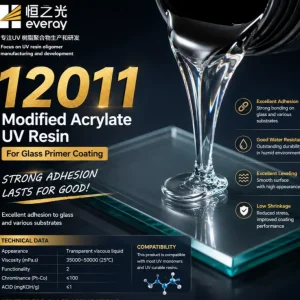
Volumetric curing shrinkage occurs when van der Waals distances between monomer units collapse into covalent carbon-carbon bonds during polymerization. To combat this on non-porous glass or metal surfaces, formulators should blend low-shrinkage oligomers (such as pure acrylics or specialized modified epoxy acrylates like our 12011 grade) with functional adhesion promoters containing phosphate, carboxylic, or silane groups. These functional groups establish hydrogen or covalent bonding with surface hydroxyls, while hyperbranched structural elements minimize localized tensile stress concentrations.
How do polyester acrylates achieve optimal water-ink balance in high-speed lithographic offset printing?
In offset lithography, ink must interact with fountain solution without excessive emulsification, which causes misting, plate blinding, or bleeding. Tailored polyester acrylates provide balanced polar and non-polar domains within the backbone, ensuring high pigment wettability, low tack variation, and an amphiphilic balance that resists shear forces under roller speeds exceeding 500 meters per minute.
What documentation and export packaging protocols are available for intercontinental hazardous cargo?
Guangdong Ever Ray provides comprehensive regulatory documentation including 16-section UN GHS-compliant Safety Data Sheets (SDS), certificates of analysis (CoA) with batch-level viscosity and refractive indices, and full REACH statements. Material packaging includes anti-static sealed HDPE containers, steel 200kg drums with nitrogen headspaces, and 1000L IBC bulk containers qualified under international maritime dangerous goods (IMDG) shipping codes.
Advanced Resins
Wholesale Polymers, Diluents & Special Oligomers
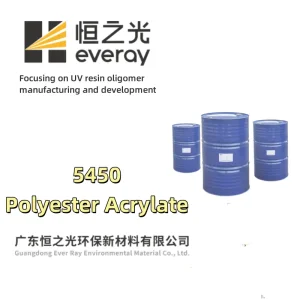
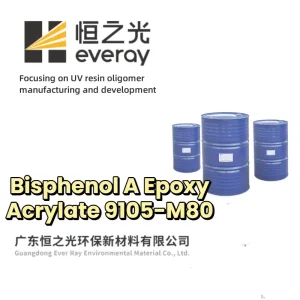
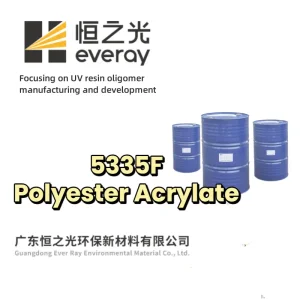
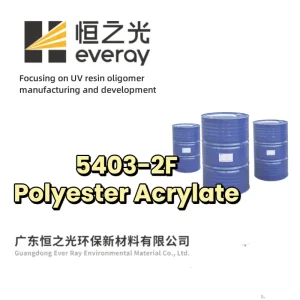
Review additional commercial formulations engineered for specialty graphic arts, composite nail gels, durable PVC sheet coatings, and high-gloss overprints.