Precision Chemistry
High-Performance UV Resin Epoksi Formulations
Explore standard and modified radiation-curable epoxy acrylates engineered for surface finishing, electronics potting, rapid stereolithography, and industrial coatings.
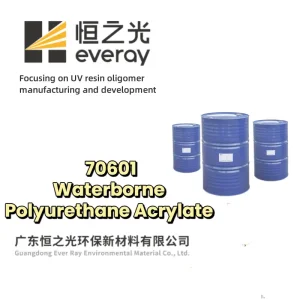
Wholesale Waterborne 70601 UV-resin for 3D Printing, UV-ink and UV Wood-coatings
View Product Specs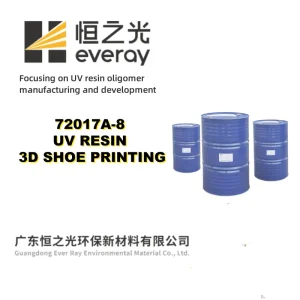
Wholesale 72017A-8 Dual-Curing UV Resin for 3D Printed Footwear | High Elasticity
View Product Specs
Wholesale Low viscosity 6300 modified epoxy acrylate UV resin for UV paper varnish
View Product Specs
Buy 61003A Fast Curing Tough Yellowing Resistant Modified Epoxy Acrylate Resin
View Product Specs
High-Quality 7317 UV resin professional in UV ink-wrinkle and snowflake effects
View Product Specs
Wholesale 5450 UV resin for UV coating, paper varnish, screen creeping
View Product Specs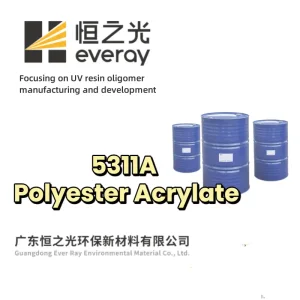
Buy Polyester Acrylate 5311A – A High-Efficiency and Durable UV Resin Choice
View Product Specs
Industrial Whitepaper
Commercial Status, Synthesis Trends & Polymer Architecture
A technical overview of modern bisphenol-A based epoxy acrylates, cycloaliphatic frameworks, and cross-linking dynamics driving the $14B global industrial polymer sector.
Global Commercial Landscape
The global epoxy resin (Resin Epoksi) and vinyl ester acrylate market has exceeded $14.8 billion, expanding at a CAGR of 6.2%. Transitioning away from high-solvent thermal-cure primers, heavy manufacturing lines are rapidly mandating ultra-fast UV/EB curing resins to slash volatile organic compound (VOC) emissions, optimize plant footprint, and decrease energy consumption by up to 75%.
Precision Synthesis & Modifications
Traditional bisphenol A diglycidyl ether (DGEBA) acrylates are recognized for exceptional hardness and tensile modulus, but inherently suffer from cure-shrinkage and embrittlement. Modern synthesis incorporates urethane modification, fatty acid chain grafting, and hyperbranched cores to engineer elastomeric flexibility, superior substrate wetting, and significantly lower volumetric shrinkage down to under 2%.
Photo-Initiation & Polymer Kinetics
Optimizing radical photo-polymerization requires overcoming atmospheric oxygen inhibition. Ever Ray's proprietary prepolymer designs utilize internal amine synergy and tailored hydrogen-abstraction sites, enabling tack-free surface conversion speeds up to 100 meters per minute under medium-pressure mercury and modern 365–395nm UV LED arrays.
Factory Scale
Guangdong Ever Ray Environmental Material Co., Ltd.
Operating our dedicated chemical synthesis base in Yunfu, Guangdong, we ensure strict batch-to-batch repeatability and scalable distribution across five continents.
2006
Established Year
40,000m²
Synthesis Facility
10+
Production Lines
10+
National Patents
100+
Chemical Specialists
Macro Solutions
Engineered Systems for Challenging Substrates
Targeting adhesion failures, yellowing under outdoor solar exposure, and moisture degradation through systematic macromolecular chemistry.
Optoelectronic & 3C Electronics Hard Coating
Formulated with aliphatic urethane modified epoxy acrylates to yield up to 4H–6H pencil hardness on polycarbonate (PC), PMMA, and anodized aluminum, maintaining >92% optical clarity and comprehensive resistance to sweat, cosmetic sebum, and abrasion.
Heavy-Duty Anti-Corrosion Primers
By integrating phosphate-functionalized acrylate prepolymers into epoxy networks, our primer formulations pass rigorous 1000-hour neutral salt spray tests, bonding tenaciously to galvanized steel and dense composite board substrates without requiring volatile acid etch pretreatments.
High-Speed Graphic Arts & Overprint Varnishes
Delivering exceptional wetting, intense gloss exceeding 95 GU, and zero slip-stick defects on fast-cycling commercial gravure, screen, and offset printing lines. High reactivity allows clean inline foil stamping and embossing directly over the cured layer.
Application Scenarios
Localized Engineering Solutions Across Major Continents
Formulation adjustments accounting for ambient processing temperatures, variable line humidities, and strict territorial environmental directives.
Southeast Asia & Tropical Flooring Lines
High continuous humidity often causes amine blushing and poor intercoat adhesion in conventional epoxy sealers. Our custom-formulated tropical sanding primers integrate hydrophobic diluents, securing defect-free sandability and adhesion on teak and engineered hardwood throughout Indonesia, Vietnam, and Malaysia.
European Union & REACH Compliance
European converters face stringent restrictions regarding monomer migration and specific residual photoinitiators. Ever Ray supplies waterborne polyurethane acrylates (WBPUA) and hyperbranched oligomers that eliminate low-molecular-weight hazardous monomers while complying strictly with REACH Annex XVII directives.
North American Additive Manufacturing Hubs
Supporting rapid DLP and MSLA industrial 3D printing formulators across the US and Canada. Our low-viscosity dual-cure resins ensure precise layer recoating, sub-50 micron detail resolution, and thermal post-cure mechanisms yielding isotropic properties matching injection-molded ABS.
Future Horizon
Technology Roadmap & Molecular Innovation (2025–2030)
Leading the next generation of radiation-curable prepolymers through sustainability, hybrid polymerization mechanisms, and smart responsiveness.
Bio-Based & Carbon-Neutral Prepolymers
Developing bio-derived epoxy acrylates using epoxidized cardanol, itaconic acid, and lignin fractions. The objective is to achieve >45% certified renewable carbon content without compromising cure velocity, chemical resistance, or storage shelf stability.
Dual-Mechanism (UV-Cationic / Free-Radical)
Synergizing cycloaliphatic epoxy networks with high-reactivity acrylates to eliminate shadowed cure zones. Dual photopolymer networks achieve surface tack-freedom within milliseconds under UV irradiation while allowing deep-volume dark shadow cure over 24 hours.
Intrinsically Recyclable Cured Networks
Synthesizing covalent adaptable networks (CANs) containing dynamic acetal or beta-hydroxy ester bonds. This breakthrough allows cross-linked UV-cured thermosets to be selectively depolymerized under mildly acidic or thermal recycling conditions at product end-of-life.
Engineering Q&A
Frequently Asked Questions on Resin Epoksi Formulations
Technical guidance direct from Ever Ray senior polymer chemists and application support specialists.
What are the structural differences between standard epoxy acrylates and polyurethane acrylates?
Epoxy acrylates (Resin Epoksi acrylates) are synthesized by ring-opening diglycidyl ethers of bisphenol A with acrylic acid. They possess rigid aromatic backbones with high pendant hydroxyl density, giving phenomenal cure speed, outstanding chemical resistance, high surface hardness, and superior substrate wetting at an economical price point. Polyurethane acrylates incorporate aliphatic or aromatic diisocyanates with flexible polyol blocks, delivering elastomeric elongation, non-yellowing weathering resistance, and impact toughness, albeit at higher viscosity and formulation costs.
How can formulation chemists resolve high viscosity and excessive shrinkage in epoxy resins?
We recommend combining high-functionality epoxy acrylates with reactive mono- and di-functional diluent monomers (such as TPGDA, DPGDA, or alkoxylated TMPTA). Alternatively, Ever Ray's modified low-viscosity epoxy acrylates (e.g., Grade 6300) integrate tailored chain-extenders directly into the prepolymer, decreasing base viscosity without degrading conversion efficiency or inducing shrinkage stress cracks.
Which epoxy acrylate grades are recommended for vacuum metallization and metal primers?
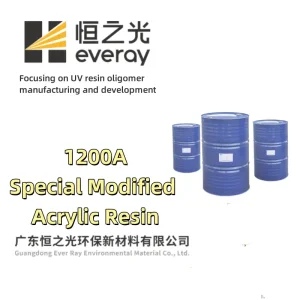
Vacuum metallization primers require outstanding gloss, heat resistance during metal deposition, and zero outgassing. Grades like Ever Ray 1730 and 1200A are engineered specifically with enhanced carboxyl/phosphate functionality, delivering 5B cross-hatch adhesion directly onto untarnished aluminum, brass, and dense metal substrates while preventing thermal yellowing during thermal sputtering cycles.
Can Ever Ray formulate custom bio-based or water-dilutable UV epoxy resins?
Yes. Our dedicated R&D technical center develops tailor-made molecular architectures. We routinely adjust backbone molecular weights, functionality (ranging from 2 to 6+), acid values, and reactive diluent matrices to suit specific customer lamp spectrums (UV LED 395nm vs. Gallium/Mercury) and end-use performance targets.
What are the primary storage and handling guidelines to prevent premature gelation?
UV-curable acrylate resins contain reactive free radicals and active inhibitors (such as MEHQ) which require ambient dissolved oxygen to maintain stability. Resins must be stored in dark, opaque polyethylene or phenolic-lined steel containers between 15°C and 25°C, away from direct sunlight, thermal sources, and strong oxidizers. Stored under correct dry warehouse conditions, stability is guaranteed for 12 months.
Industrial Solutions
Advanced Industrial Acrylate Prepolymers & Resins
Engineered oligomer chemistries tailored for tough adhesives, low-viscosity UV varnishes, vacuum plating, and specialized digital inks.
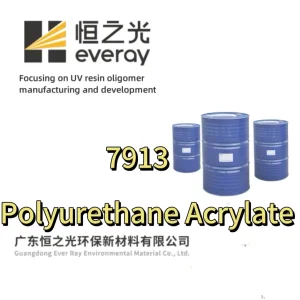
High-Quality 7913 High Reactivity Anti-fouling & Abrasion Resistant Polyurethane Acrylate UV Resin
View Product Specs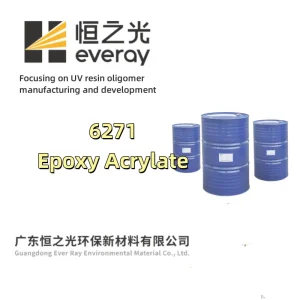
High-Quality Durable 6271 UV resin: very suitable for UV adhesive with low yellowing risk
View Product Specs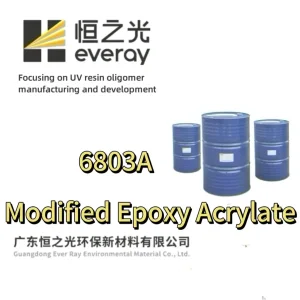
High-Quality 6803A Modified Epoxy Acrylate Resin High Gloss Fast Curing Oligomer for UV Ink
View Product Specs
High-Quality Fast curing and strong adhesion 1730 UV resin suitable for vacuum plating
View Product Specs
High-Quality 5320 polyester acrylate: optimal ink wettability and high gloss
View Product Specs
Buy Anti-Yellowing Polyurethane Acrylate Oligomer-High Flexibility UV Resin for Nail Gel
View Product Specs
Wholesale 6231 Curing modified epoxy acrylate with excellent leveling properties
View Product Specs