40,000+
Production Base (m²)
10+
Automated Reactor Lines
2006
Year Established
10+
National Invention Patents
High-Performance Radiation Curable Adhesives & Resins
Engineered monomers, polyurethane acrylates, and specialty oligomers for extreme industrial applications.
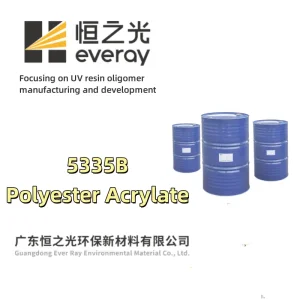
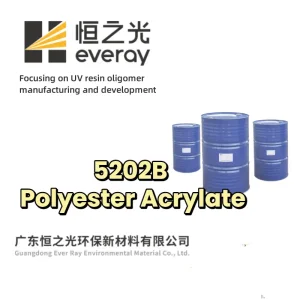
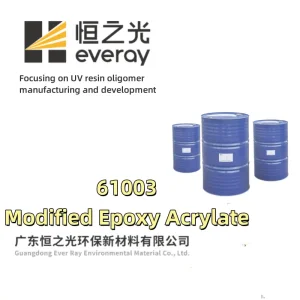
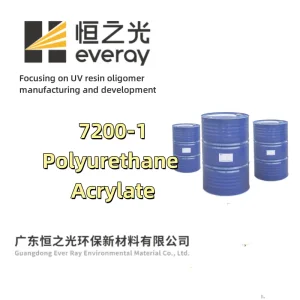
Macro Market Dynamics
The Global State of Industrial Resin Adhesives & Oligomer Synthesis
In contemporary materials science, industrial resin adhesives have transitioned from auxiliary structural joinery compounds to mission-critical enablers of cutting-edge technology. From flexible micro-optics and semiconductor packaging to structural composite laminates in aerospace and high-speed rail, the demand for fast-reacting, solventless, and environmentally inert adhesive matrix systems is expanding exponentially.
Shift Toward Green Chemistry & High Crosslink Density:
Traditional solvent-borne adhesives are facing strict international regulatory pressures (including EU REACH, EPA guidelines, and RoHS compliance). Photopolymerizable resin adhesives (specifically UV/EB curable systems) present near-zero volatile organic compound (VOC) emissions, curing within milliseconds under specified spectral bands.
Guangdong Ever Ray Environmental Material Co., Ltd., since its establishment in 2006, has occupied the forefront of this industrial transition. Operating advanced batch-synthesized acrylate chemistry from our modern facility in Yunfu, Guangdong, we engineer macromolecular networks that balance tensile strength, low volumetric shrinkage, and thermal endurance.
Global Consumption Metrics
The global market for radiation curable adhesives is anticipated to surpass $14.5 Billion by 2030, driven predominantly by the rapid growth of miniaturized consumer electronics (3C), automotive lightweighting, and additive manufacturing (3D printing).
Rapid Curing (< 3s)
100% Solid Content
Zero Solvent Dilution
Extreme Peel Resistance
The Competitive Advantage of Modern China Chemical Infrastructure
How Ever Ray couples deep upstream chemical supply clusters with automated batch process control to maximize value for global partners.
Fully Integrated Supply Chains
Situated within the Guangdong chemical innovation hub, Ever Ray benefits from direct access to major petrochemical intermediates, including acrylic acid, bisphenol A epoxies, polyols, and specialty aliphatic diisocyanates (IPDI/HDI). This shields buyers from volatile overseas logistics costs and shortages.
Upstream Sourcing Stability
Raw Material Purity
Automated DCS Process Control
Our Yunfu manufacturing facility leverages distributed digital control systems (DCS) across every reaction vessel. From exothermic monitoring during esterification to polymer distillation, human error is designed out of the synthesis process, guaranteeing batch-to-batch consistency in acid value and viscosity.
±2% Viscosity Tolerance
Automated Reactor Control
High Capacity & Rapid Scalability
With an expansive plant footprint exceeding 40,000 square meters and multiple multi-ton production lines, we support large-scale industrial runs as easily as pilot custom syntheses. Our turnaround cycle from bespoke formulation testing to commercial container shipment consistently leads the sector.
40,000 m² Site
Global Drum/IBC Export
Engineered Polymer Applications & Targeted Formulation Fit
Precise molecular tailoring for demanding mechanical, electrical, and optical challenges across major industries.
3C Electronics & Structural LOCA
Liquid Optical Clear Adhesives (LOCA) and chassis bonding require sub-nanometer visual clarity and zero yellowing over operational lifetimes. Our aliphatic polyurethane acrylate systems mitigate thermal expansion mismatch between glass and composite framing.
Optical Transmission > 99%
Stress Relaxation
Photopolymer Additive Manufacturing
Stereolithography (SLA), DLP, and LCD 3D printing systems demand low-viscosity resin vehicles that polymerize cleanly without curling or high exotherms. Our hyperbranched and modified pure acrylates maximize green strength and precision resolution.
Low Shrinkage Stress
High Deflection Temp (HDT)
High-Performance Wood & Flooring
Engineered flooring and cabinetry rely on sandable epoxy acrylates for primary sealing, and durable urethane acrylates for scratch-resistant topcoats. We solve deep curing hurdles on naturally oily exotic hardwoods.
Taber Abrasion Endurant
Fast Recoatability
High-Speed Offset & Flexographic Inks
Viscosity stability on high-speed roller ink fountains depends on high pigment loading without agglomeration. Our polyester acrylate oligomers offer superior wetting properties, delivering vibrant color densities at line speeds over 300 m/min.
Stable Water-Ink Balance
Ultra-Low Mist Formation
Technical Specification Matrix: Acrylate Oligomer Families
A reference table for chief polymer chemists, formulators, and technical procurement directors.
| Polymer Chemistry Family | Hardness & Modulus | Tensile Flexibility | Weather & UV Stability | Cure Velocity | Primary Industrial Sector |
|---|---|---|---|---|---|
| Standard Bisphenol A Epoxy Acrylates | Very High (4H - 5H) | Low (Brittle) | Moderate (Prone to Yellowing) | Ultra-Fast (< 1s) | Overprint Varnishes, Wood Sanding Primers, Rigid Laminates |
| Aliphatic Polyurethane Acrylates (PUA) | Tunable (HB - 3H) | Exceptional (High Elongation) | Zero Yellowing (>1000h QUV) | Moderate - Fast | Automotive Clear Coats, Optical Display Adhesives, Nail Gels |
| Aromatic Polyurethane Acrylates | High (2H - 3H) | Balanced Toughness | Low - Medium | Fast | Heavy-Duty Industrial Floor Sealants, Furniture Structural Bonding |
| Hyperbranched Polyester Acrylates | Extreme (5H+) | Moderate | Good | Exceptional (Multi-Functional) | Scratch-Resistant Anti-Abrasion Coatings, 3D Print Hard-Coats |
| Waterborne Polyurethane Acrylates | Moderate (F - 2H) | High Compliance | High | Thermal Flash + UV Cure | Low-VOC Eco-Friendly Leather Finishes, Thin Wood Veneers |
Emerging Industry Trends & Global Procurement Requirements
Navigating the transition toward LED-curing systems, bio-renewable feeds, and strict supply-chain transparency.
LED-UV Spectral Optimization
Global manufacturers are rapidly phasing out high-pressure mercury lamps in favor of energy-efficient 365nm, 385nm, and 395nm LED arrays. Ever Ray synthesizes high-reactivity modified oligomers that cure deeply without requiring elevated thermal cycles, countering surface tackiness caused by oxygen inhibition.
395nm Sensitivity
Oxygen Scavenging Backbones
Stringent Compliance & Traceability
International chemical distributors and Tier-1 formulators require rigorous documentation. Ever Ray supports overseas partners with comprehensive Technical Data Sheets (TDS), safety certifications (GHS SDS), COA lot verifications, and compliance with REACH SVHC substance registries.
REACH Compliant
Full Batch COA Support
Custom Molecular Synthesis (OEM/ODM)
Off-the-shelf resins often force formulators to compromise on adhesion or viscosity. Ever Ray offers collaborative custom synthesis: tailoring polymer chains, molecular weight distributions, and monomeric diluent fractions to meet your strict line metrics.
Target Viscosity Tuning
Substrate Adhesion Priming
Frequently Asked Technical & Procurement Inquiries
In-depth responses from our senior research chemists regarding resin selection, rheological behavior, and global ordering.
What is the fundamental mechanical difference between aliphatic and aromatic polyurethane acrylate resins?
Aliphatic polyurethane acrylates are synthesized using aliphatic isocyanates (such as IPDI or HDI), meaning their polymer backbones are devoid of benzene rings. This molecular architecture prevents UV-induced photochemical degradation and quinoid coloration, making them non-yellowing and weather-stable for optical display adhesives, clear automotive topcoats, and cosmetic gels. Conversely, aromatic polyurethane acrylates rely on aromatic diisocyanates (such as TDI or MDI), which offer exceptional tensile modulus, toughness, and abrasion resistance at a more competitive cost, but are susceptible to UV discoloration—making them best suited for pigmented adhesives, interior industrial coatings, and composite matrices.
How does Ever Ray resolve oxygen inhibition in thin-film coatings and rapid surface curing?
Oxygen inhibition occurs when atmospheric triplet oxygen diffuses into the liquid formulation and reacts with propagating carbon free radicals to form unreactive peroxy radicals, yielding a sticky surface. Ever Ray counteracts this through two main chemistries: (1) Synthesizing amine-modified polyether/polyester acrylates (amino acrylates) that undergo chain-transfer hydrogen abstraction to regenerate reactive alkyl radicals; and (2) Designing hyperbranched oligomers that achieve high localized crosslinking density before oxygen can penetrate the interface.
Can you tailor viscosity and functionality for specialized automated dispensing lines?
Yes. Through our specialized technical consultation protocol, our R&D team adjusts monomer chain length, introduces reactive diluents (such as TMPTA, TPGDA, or specialized mono-functional acrylates), and modulates the polydispersity index (PDI). Whether your application involves fine piezoelectric micro-dispensing for microelectronics or heavy roller application on parquet flooring, we can formulate within specified viscosity and thixotropy ranges.
What quality control mechanisms are used to maintain batch stability across export containers?
Every production batch from our Yunfu synthesis facility undergoes a multi-gate analytical quality check. Using Gel Permeation Chromatography (GPC), Fourier Transform Infrared Spectroscopy (FTIR), Karl Fischer titration for water content, and automated Brookfield rotational viscometers, we ensure that parameters including acid value, epoxy equivalent weight, chromaticity (Gardner scale), and volatile residues remain strictly within agreed tolerances.
What packaging and export certifications are standard for international chemical logistics?
We provide export-standard galvanized steel drums (200 kg net weight), heavy-duty polyethylene carboys (25 kg net weight), and certified intermediate bulk containers (1,000 kg IBC totes). All export packaging meets international maritime transport standards (IMDG/IATA), is palletized with heat-treated shrink wrapping, and is dispatched with lot-traceable COAs and bilingual GHS SDS documentation.
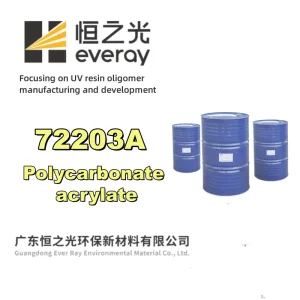
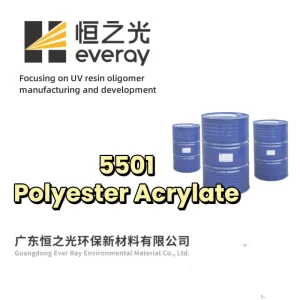
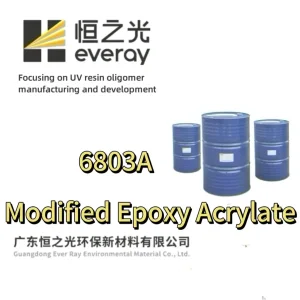
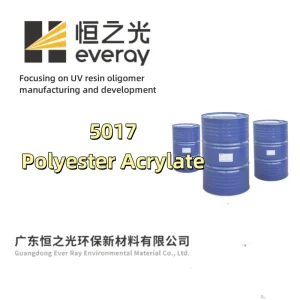
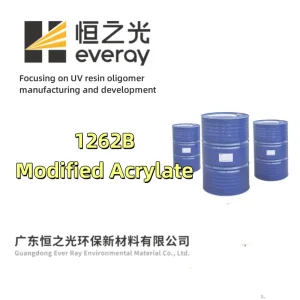
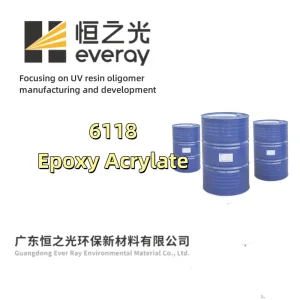
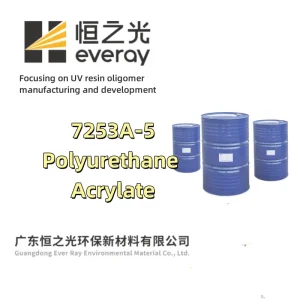
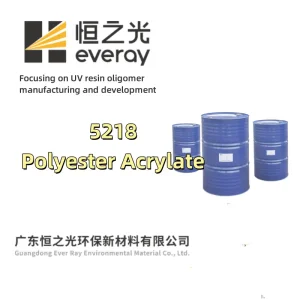
Specialized Industrial Adhesive Resins & Custom Oligomers
Complete portfolio of surface-engineered epoxy resins, floor coatings, and high-clarity acrylates.