
40,000 m²
Automated Production Base
10+ Lines
Continuous High-Cap Synthesis
10+ Patents
Molecular Polymer Engineering
80+ Nations
Global Supply Chain Footprint
Industrial Grade Polyurethane & Acrylic Formulations (Batch Alpha)
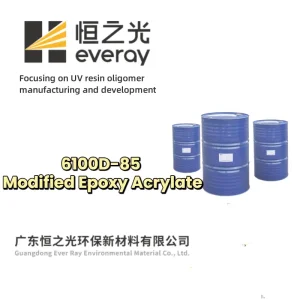
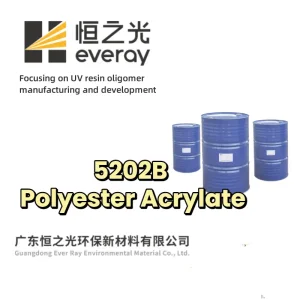
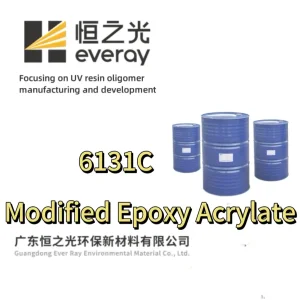
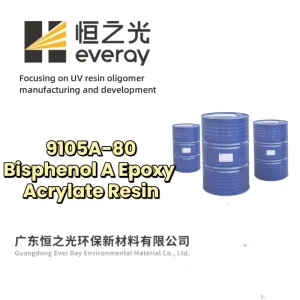
Premium functional oligomers, epoxy acrylates, and urethane polymers tailored for immediate deployment across wood sealers, flexible plastic coats, and industrial protective finishes.
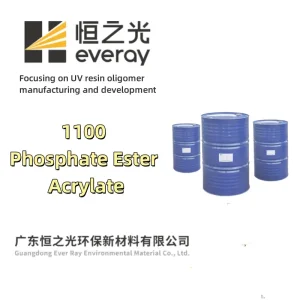
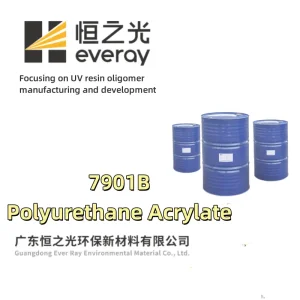
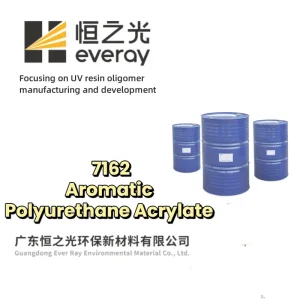
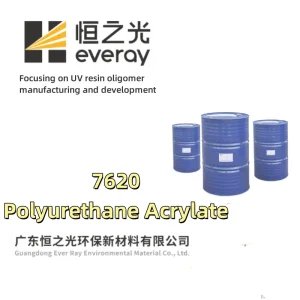
Global Industrial Landscape of Polyurethane Coatings & Resins
Strategic shift toward sustainable zero-VOC, ultra-fast radiation-curable, and dual-cure urethane chemistries.
The global polyurethane (PU) paint and resin market is undergoing an unprecedented paradigm shift driven by stringent decarbonization targets, regulatory clampdowns on Volatile Organic Compounds (VOCs), and heightened throughput expectations in automated assembly lines. Historically reliant on traditional solvent-borne two-component (2K) formulations, multinational industrial enterprises are systematically moving toward UV-curable polyurethane acrylates (PUA) and waterborne polyurethane dispersions (PUD).
Key Engineering Trend: Radiation-curable polyurethane technologies combine the thermodynamic toughness and abrasion resilience of urethane linkages (-NH-COO-) with instantaneous, sub-second photo-initiated crosslinking. This integration minimizes plant footprint by up to 65% and reduces thermal oven energy expenditures by more than 80%.
In aerospace, automotive OEM refinishing, precision electronics (3C), and heavy coil manufacturing, buyers no longer evaluate polyurethane paint suppliers merely on volume pricing. Instead, vendor selection hinges on polymer molecular weight distribution control, residual monomer levels, non-yellowing aliphatic purity, and compatibility with high-speed LED-curing systems.
Aliphatic vs. Aromatic Purity
Aliphatic polyurethane architectures based on IPDI and HDI isocyanates ensure long-term UV resistance, hydrolytic stability, and non-yellowing optics for demanding exterior automotive clear coats and consumer device enclosures.
Dual-Cure Chemistry
Overcoming shadow-curing limitations in intricate 3D geometries via hybrid radical UV-light exposure paired with secondary moisture or thermal isocyanate crosslinking mechanisms for structural structural fidelity.
Stringent VOC Mandates
Enforcement of REACH, EPA clean air mandates, and GB standards accelerating the transition toward 100% solids UV formulations and water-reducible polyurethane acrylates that completely bypass toxic organic diluents.
Advanced Chinese Chemical Engineering & Operational Efficiency
How modern synthesis hubs combine upstream raw material integration with DCS-controlled consistency to empower global brands.
Upstream Chemical Integration
Direct proximity to world-class petrochemical monomer production (AA, TMPTA, IPDI, TDI) eliminates shipping bottlenecks, insulates purchasers from raw material price volatility, and secures priority feedstock allocations.
Automated DCS Process Control
State-of-the-art Distributed Control Systems monitor temperature curves, catalytic addition rates, and esterification endpoints in real time, delivering a batch-to-batch dispersity index delta of under 1.5%.
Agile Custom Pilot Reactors
From 50-liter benchtop reactors to 20-ton industrial autoclaves, our flexible production pipeline allows agile scaling, rapid formula adjustments, and quick turnaround of commercial samples within 7 business days.
International Export Compliance
All resins are fully pre-registered and compliant with REACH (EU), TSCA (USA), IECSC (China), and RoHS directives, backed by bilingual GHS Safety Data Sheets and Certificate of Analysis documentation per drum.
Polyurethane Acrylate Selection Matrix for High-End Specifications
Comparative structural matrix detailing backbone behaviors, mechanical limits, and ideal application substrates.
| Resin Classification | Hardness / Flexibility Balance | Weatherability (QUV Test) | Tensile Strength (MPa) | Primary Industrial Use Cases | Status |
|---|---|---|---|---|---|
| Aliphatic Di-Functional PUA | Medium Hardness / High Elongation (60-120%) | Exceptional (>2000 hrs non-yellowing) | 25 - 40 | 3C Consumer Electronics, Optical Lens, Exterior Topcoats | Standard High-Vol |
| Aliphatic Hexa-Functional PUA | Maximum Hardness (Pencil 4H+) / Low Elongation | Superior Exterior Durability | 50 - 75 | Anti-Scratch Film, Vacuum Metalizing Topcoats, Screen Hardcoats | Precision Grade |
| Aromatic Urethane Acrylates | High Toughness / Dynamic Impact Absorption | Moderate (Susceptible to UV yellowing) | 35 - 55 | Industrial Flooring, Heavy Timber Finishes, Screen Print Inks | Cost-Performance |
| Waterborne Polyurethane Dispersion | Elastic / Soft-Feel Touch Control | High (When paired with Aliphatic Base) | 15 - 30 | Automotive Interior Trims, Leather Coatings, Paper Laminates | Zero-VOC Eco |
| Modified Epoxy Acrylate Hybrid | Extreme Rigid Hardness / Rapid Cure Speed | Moderate to Fair | 40 - 65 | Wood Sanding Sealers, Overprint Varnishes (OPV), Fast Inks | High-Speed Line |
Localized Application Engineering & Tailored Deployment
Real-world integration protocols where resin chemistry directly overcomes mechanical and environmental stresses.
3C Electronics & Telecommunications
Smartphone housings, wearable smart bands, and magnesium alloy laptop shells require razor-thin coatings capable of enduring repeated sweat immersion, cosmetic chemical attack (sunscreen, perfume), and high-frequency abrasive friction without delamination.
Automotive Clearcoats & Trims
Engineered aliphatic PUA resins provide the critical matrix balance between stone-chip impact resistance and elastic scratch self-healing. Designed for direct bonding across PC/ABS dashboard consoles and exterior aerodynamic trims.
High-Line-Speed Wood & Parquet Flooring
Automated roller-coating production facilities operating at 30-60 m/min utilize our reactive epoxy-polyurethane blends to provide instant sandability, moisture vapor sealing, and Taber abrasion endurance up to CS-17 1000g > 4,000 cycles.
Global Procurement Demands: Addressing the Enterprise Supply Chain
Comprehensive procurement audit criteria analyzed from the perspective of enterprise VP of Materials & Chemical Formulators.
Procurement directors and chief chemists in multinational coatings corporations operate under dual pressures: maintaining uncompromising polymer performance while hedging against raw material inflation and supply disruptions. In our technical audits with tier-1 paint manufacturers across North America, Europe, and Southeast Asia, four core criteria consistently dictate vendor longevity:
Polymer Polydispersity
Tight molecular weight distribution guarantees uniform flow behavior, eliminating orange-peel defects and micro-bubbling during high-pressure airless spraying or high-precision slot-die coating processes.
Residual Monomer Safety
Stringent distillation and vacuum scavenging protocols reduce residual free acrylates (such as HDDA or TMPTA) to trace levels (<0.05%), ensuring lower skin irritation and compliance with indoor air certifications.
Cold-Chain & Shelf Life
Formulated with advanced proprietary polymerization inhibitors (MEHQ and phenolic scavengers) providing guaranteed 12-month thermal stability at 25°C without spontaneous gelation during oceanic freight.
Batch Traceability
Every shipment drum is cross-indexed with an ERP-tracked lot number, complete with GPC, FTIR, and rheology fingerprint data stored for 5 years to verify total supply chain lineage.
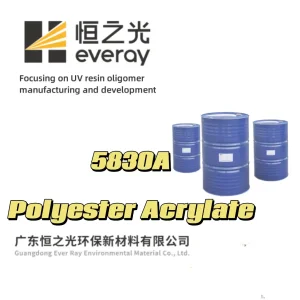
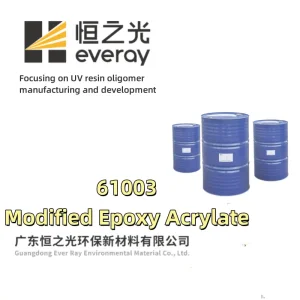
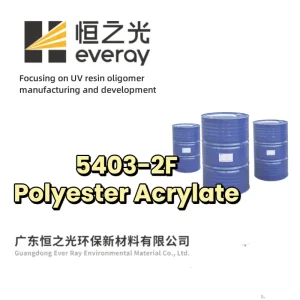
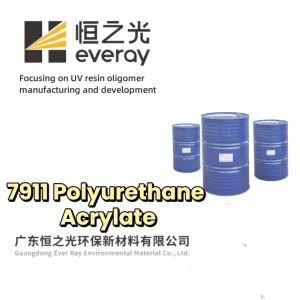
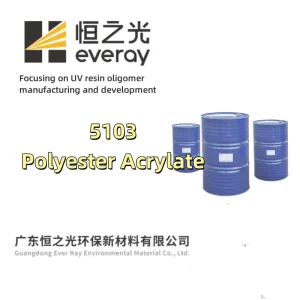
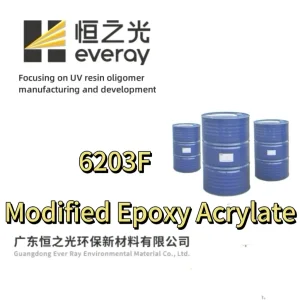
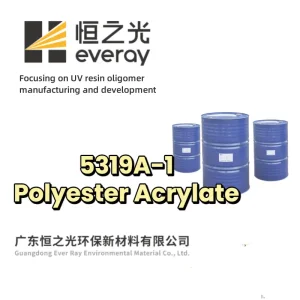
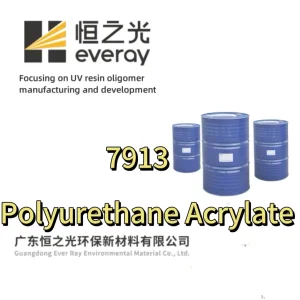
Specialty Urethane Acrylates & Performance Prepolymers (Batch Beta)
Engineered for high boiling water resistance, low polymerization shrinkage, flexographic ink compatibility, and extreme anti-fouling surfaces.
Technical & Procurement FAQ: Polyurethane Solutions
In-depth responses compiled by senior research chemists to address questions from global formulators and buyers.
What is the structural distinction between Aliphatic and Aromatic Polyurethane Acrylates?
Aliphatic polyurethane acrylates are synthesized using aliphatic diisocyanates like isophorone diisocyanate (IPDI) or hexamethylene diisocyanate (HDI), which lack benzene ring unsaturation. Consequently, they cannot absorb UV light to form quinoid-type chromophore structures, rendering them immune to photo-oxidation, degradation, and yellowing over extended exterior exposure. Aromatic PUAs, constructed around toluene diisocyanate (TDI) or methylene diphenyl diisocyanate (MDI), incorporate aromatic rings that exhibit outstanding mechanical toughness, tensile modulus, and high-build economy, but are naturally prone to yellowing; thus, they are best suited for indoor furniture, industrial flooring, and dark-pigmented matrices.
How does urethane acrylate functionality dictate coating flexibility versus chemical hardness?
Acrylate functionality represents the number of ethylenically unsaturated reactive double bonds per polymer molecule. Difunctional (2-functional) urethane acrylates provide long, uninterrupted flexible polyol segments that ensure high tensile elongation (up to 150%), making them ideal for thermoformable plastics, post-forming sheet metals, and nail gels. Conversely, hexafunctional (6-functional) or nonafunctional (9-functional) hyperbranched acrylates generate an extraordinarily tight three-dimensional crosslinked network upon irradiation, delivering exceptional glass transition temperatures (Tg > 90°C), steel wool scratch resistance (0000# resistance), and pencil hardness exceeding 4H, albeit with lower elongation (<5%).
What measures eliminate oxygen inhibition in thin-film polyurethane coatings?
Oxygen inhibition occurs when atmospheric molecular oxygen diffuses into the curing film surface, rapidly quenching triplet-state photoinitiators and scavenging free propagating radicals to form inactive peroxy radicals, yielding an uncured, tacky surface. Ever Ray addresses this by developing specialized amino acrylate oligomers and active amine co-initiators. These amino additives donate labile alpha-hydrogens to peroxy radicals, converting them into stable hydroperoxides while regenerating reactive alkyl-amino radicals, completely mitigating oxygen inhibition under high-line-speed atmospheric printing and thin overprint varnishes.
How does your factory ensure batch-to-batch polymer repeatability for export?
Our Yunfu, Guangdong manufacturing base operates under an integrated ISO 9001 and ISO 14001 continuous DCS infrastructure. Every chemical batch undergoes a mandatory 4-tier QC protocol before drum packaging: 1) Brookfield Viscosity profiling at 25°C and 60°C; 2) Gel Permeation Chromatography (GPC) to verify Mn, Mw, and Polydispersity Index (PDI); 3) Colorimeter Gardner index verification; and 4) Cure response under 395nm LED and standard mercury lamps. Retained samples are archived in climate-controlled lockers for a minimum of 24 months, with batch-specific Certificates of Analysis shipped with each export consignment.
