
Core Acrylate Oligomer Solutions for Riyadh Industrial Formulators
Pre-stabilized, high-crosslink aqueous & radiation-cure oligomers optimized for substrates subjected to high ambient UV exposure, thermal cycling, and strict environmental parameters.
The Waterborne UV Polyurethane Landscape in the Riyadh Industrial Hub
Navigating decarbonization, volatile organic compound (VOC) limitations, and technical resin engineering for Saudi Arabia's expanding manufacturing zones.
The industrial landscape across the Riyadh Province—anchored by the fast-expanding MODON (Saudi Authority for Industrial Cities and Technology Zones) Industrial Cities 2 and 3—is undergoing a historic operational pivot. Historically dependent on traditional high-solvent polyurethane and epoxy coating chemistries, regional formulators are facing twin operational catalysts: stringent VOC-emission thresholds introduced by the Saudi Standards, Metrology and Quality Organization (SASO) and surging performance benchmarks mandated by nationwide Giga-projects like the New Murabba, King Salman Park, and architectural extensions across the Central Province.
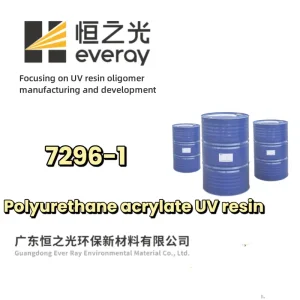
Waterborne Polyurethane Acrylate (WPUA / WUA) oligomer dispersions bridge the fundamental performance gap that long challenged conventional water-reducible finishes. By synthesizing an aliphatic polyurethane prepolymer backbone terminated with terminal acrylate double bonds and dispersing it into an aqueous phase utilizing internal ionic emulsifiers (such as dimethylolpropionic acid - DMPA neutralized with tertiary amines), our engineering laboratory delivers a solution that eliminates reactive diluent volatility without sacrificing photopolymerization speed or cured mechanical resilience.
Climatic Resilience Factor: Formulations deployed in Riyadh must withstand prolonged operational temperatures reaching 50°C during summer peaks, intense solar UV radiation indices (UV index 11+), and continuous fine particulate abrasion (sand/silica scouring). Waterborne Polyurethane Acrylate chemistry provides a dense, crosslinked aliphatic network that actively resists photochemical yellowing and retains elongation across dynamic thermal swings.
Polymerization Mechanics & Crosslink Network Density
Our synthesized waterborne polyurethane acrylate oligomers integrate hard-segment domains engineered from isophorone diisocyanate (IPDI) or dicyclohexylmethane-4,4'-diisocyanate (H12MDI) combined with carefully fractionated polycarbonate or polyester polyol soft segments. When cured under mercury vapor or 365–395nm UV-LED arrays, the acrylate functional groups undergo rapid free-radical chain polymerization, forming an interpenetrating polymer network (IPN) around the pre-coalesced polyurethane particles.
This dual physical-chemical consolidation mechanism produces cured films featuring extraordinary abrasion resistance, pencil hardness exceeding 3H to 4H on metallic substrates, and profound resistance to chemical cleaners, automotive fluids, and domestic staining agents, matching or surpassing solvent-borne benchmarks while maintaining near-zero VOC output.
Comparative Chemical Matrix: Waterborne PUA vs Conventional Curing Systems
Evaluating mechanical integrity, regulatory compliance, and thermal aging behavior under GCC environmental specifications.
| Performance Parameters | Waterborne Polyurethane Acrylate (WPUA) | Conventional Solvent-Borne PUA | Standard 100% Solid Epoxy Acrylate | Aromatic Solvent Urethanes |
|---|---|---|---|---|
| VOC Content | Ultra-Low (<1% by weight) | High (30% - 65% volatile organics) | Zero solvent, but high monomer odor | High VOC emissions |
| Yellowing Index (ΔYI after 500h QUV) | < 1.2 (Aliphatic grade stability) | 2.0 - 4.5 | > 6.5 (Significant yellowing) | > 9.0 (Severe degradation) |
| Thermal Shock Resilience (-10°C to +80°C) | Exceptional (Elastic soft segments) | Moderate to High | Poor (Prone to brittle cracking) | Moderate |
| Application Flexibility | Roller, Curtain, Spray, Industrial Dip | Spray, Roller (Requires explosion-proof setups) | Roller coat, Screen print only | Manual or pneumatic spray |
| Substrate Adhesion Scope | Wood, Engineered Plastics, PVC, Primed Metal | Metals, Plastics | Paper, Wood, Rigid Substrates | Concrete, Wood |
| Compliance Alignment | SASO, LEED v4.1, Mostadam, REACH | Phased out in residential specs | Selective industrial use | Non-compliant for green interiors |
Target Industrial Applications Across Riyadh and the Arabian Peninsula
Engineered to resolve real formulation challenges across heavy-duty flooring, luxury architectural joinery, flexible packaging, and photocurable additive manufacturing.
Architectural Wood & Joinery
Interior finishes in corporate towers and residential masterworks in Riyadh demand finishes that emphasize natural grain aesthetics without the severe toxicity of acid-catalyzed or polyurethane coatings. WPUA achieves rapid water flash-off and exceptional clarity with zero grain raising.
Commercial LVT & PVC Flooring
Formulated for high-traffic luxury vinyl tile manufacturing lines. Imparts superior Taber abrasion ratings, micro-scratch self-recovery characteristics, and resistance to alkaline cleaner degradation common in large-scale Saudi hospitality and healthcare facilities.
Protective Primers on Non-Ferrous Metals
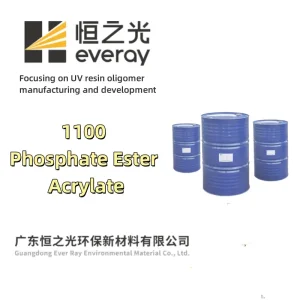
Engineered with carboxyl and phosphate-functional coordination nodes. Provides chemical bond passivity on aluminum facades, structural alloys, and galvanized ductwork fabricated for Riyadh metro line projects and surrounding transit networks.
Low-Odor Packaging & Overprint Varnishes
For Riyadh packaging converters supplying FMCG, pharmaceuticals, and dates packaging. Eliminates residual monomer migration risks, ensures rapid tack-free speeds on flexo/gravure presses, and guarantees food-grade outer packaging safety.
Photopolymer Additive Manufacturing
Rapid prototyping laboratories in King Abdulaziz City for Science and Technology (KACST) deploy waterborne PUA resins to manufacture ductile, high-accuracy parts. Minimizes volumetric shrinkage during laser and DLP illumination cycles.
Automotive Interior Component Coatings
Withstands elevated cabin temperatures exceeding 70°C in parked vehicles under Riyadh summer conditions. Delivers non-tacky, soft-feel, scratch-proof topcoats on injection-molded ABS, PC/ABS, and polypropylene substrates.
Supply Chain Strength: Direct China Synthesis Reactor to Riyadh Delivery
Eliminating intermediary trading margins, ensuring raw material consistency, and securing predictable delivery corridors for Saudi converters.
Procuring specialized photopolymer resins in the Gulf region often involves extended broker chains, high markups, and uncertain storage protocols that risk thermal destabilization during long transit periods. Ever Ray operates as an integrated synthesis manufacturer located in Yunfu, Guangdong, China. Spanning over 40,000 square meters with automated reactor lines, our direct production capability guarantees that the chemistry supplied to your blending line matches the molecular weight distribution, solids content, and batch viscosity certified in our initial laboratory samples.
Our logistical framework serving Riyadh relies on temperature-regulated multimodal export pathways. Liquid oligomers packaged in 200kg nitrogen-purged steel drums or 1000kg IBC totes are routed through Southern China maritime ports directly to Jeddah Islamic Port (for Western distribution) or King Abdulaziz Port in Dammam, followed by expedited bonded rail freight via the Saudi Railways Organization (SRO) land-bridge directly into the Riyadh Dry Port.
Regulatory & Clearance Protocol: Every shipment bound for the Kingdom is issued with full Technical Data Sheets (TDS), customized formulation guidelines, GHS-compliant bilingual Safety Data Sheets (SDS), and pre-issuance SASO documentation through the SABER platform. This guarantees seamless customs processing and eliminates port clearance bottlenecks.
Specialty Oligomers & High-Functional Formulations
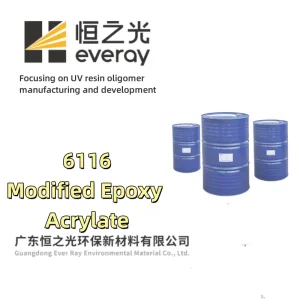
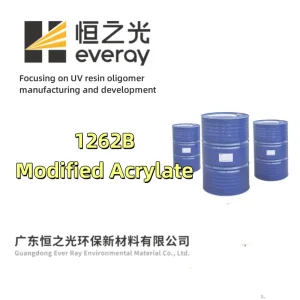
Complete your formulation matrix with specialized epoxy acrylates, rapid-cure modified resins, and waterborne dispersions engineered for high-demand GCC industrial coatings.
Technical and Procurement Answers for Riyadh Chemical Formulators
Direct guidance regarding rheology, curing systems, compliance certification, and supply terms.
Accelerate Your Formulation Development in the Kingdom
Connect directly with our senior polymer synthesis specialists. Request technical data sheets, full spectral cure curves, baseline starting formulations, or custom bulk supply quotations for your production facility in Riyadh.
Send Inquiry Now