
Flagship Modified Acrylate Solutions for Australian Applicators
High reactivity, ultra-low volatility, and advanced crosslinking chemistry engineered specifically for critical adhesion to demanding substrates across Oceania.
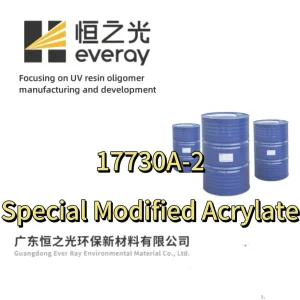
Formulated for architectural glass facades and marine vitrified panels across Queensland and Victoria.
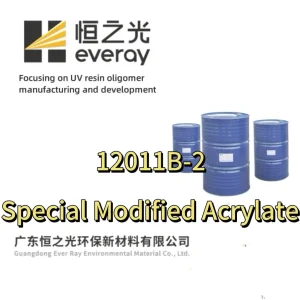
Minimizes cure-induced micro-cracking and delamination on non-polar substrates and ceramics.
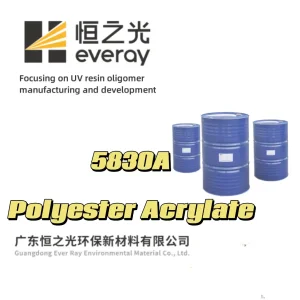
Boil-water immersion stable; optimal for commercial catering glass, brewing tanks, and exterior coatings.
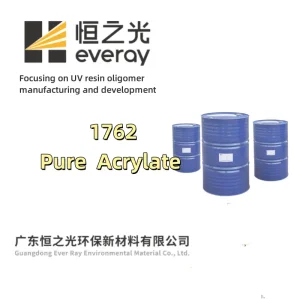
Non-yellowing aliphatic backbone tailored for solar panel edge sealing and architectural laminates.
The Australian Commercial & Industrial Landscape for Modified Acrylates
Australia represents one of the most chemically challenging operating environments in the industrialized world. With an extreme UV index frequently peaking above 11–13 throughout summer in Western Australia, Queensland, and the Northern Territory, standard acrylate diluents and unmodified photopolymers suffer rapid photochemical degradation, polymer backbone chain scission, micro-fissuring, and catastrophic yellowing. Industrial coaters, printing houses, and composite manufacturers across Sydney, Melbourne, Brisbane, and Perth require radically re-engineered monomer chemistry.
Simultaneously, the Australian manufacturing sector operates under aggressive regulatory frameworks governed by the Australian Industrial Chemicals Introduction Scheme (AICIS) and stringent state EPA standards for volatile organic compounds (VOCs). The transition away from traditional solvent-borne systems toward 100% solids UV/EB-curable systems has accelerated exponentially across Australian packaging convertors, coil coaters, and high-performance timber flooring manufacturers.
-
Extreme Solar Radiation Resilience: Formulations engineered to prevent free-radical photo-oxidation under Australia's intense UV exposure index.
-
AICIS & Safe Work Australia Alignment: Fully compliant chemical inventory statuses, zero nonylphenol ethoxylates, and reduced skin irritation indices.
-
Thermal Cycling Resistance: Monomers tailored to survive dramatic diurnal temperature fluctuations (-5°C to 45°C) common in outback and mining infrastructure.
Key Vulnerabilities in Conventional Monomers in Australia
Standard monofunctional and multifunctional monomers (such as standard TMPTA, TPGDA, or HDDA) exhibit systemic failures when exposed to Oceania's atmospheric stresses:
Macro Industrial Solutions: Precision Monomer Architecture
From reducing diluent vapor pressure in sensitive print workshops to ensuring boil-water adhesion in extreme packaging, our specialized synthesis pathways resolve fundamental compromise points in radiation curing chemistry.
Alkoxylated & Ring-Opened Monomers
By inserting ethylene oxide (EO) or propylene oxide (PO) polyether flexibilizing chains between the acrylic unsaturation and the central polyol backbone, we dramatically reduce curing shrinkage while preserving rapid crosslinking kinetics. Ideal for high-speed flexo and gravure inks operating above 350 m/min.
Caprolactone-Extended Chemistries
Incorporation of ε-caprolactone linkages into acrylate monomers imparts unmatched impact resistance, extreme flexibility, and deep mechanical toughness. This structural modification prevents cracking when post-forming coated Australian Colorbond-type architectural steel or structural composite skins.
Alicyclic & Bulky Monofunctionals
Monomers featuring bulky bicyclic ring architectures—such as Isobornyl Acrylate (IBOA) and Cyclic Trimethylolpropane Formal Acrylate (CTFA)—provide exceptional glass transition temperatures (Tg up to 95°C) without the extreme shrinkage associated with multifunctional acrylates.
Acidic & Phosphated Adhesion Promoters
Directly copolymerizable acidic acrylate monomers containing phosphoric acid or carboxylate functional groups chelate with hydroxyl groups on glass, untreated aluminum, and galvanized zinc surfaces, providing indestructible chemical bond interfaces resistant to moisture ingress.
Acryloyl Morpholine & Nitrogen Heterocycles
Monomers engineered with nitrogen-containing ring structures eliminate oxygen inhibition at the coating surface. This facilitates ultra-low energy LED-UV curing (365nm, 385nm, 395nm) without requiring expensive nitrogen blanket inerting systems on Australian manufacturing floors.
Hyperbranched & Dendritic Prepolymers
Our multi-arm architecture provides high reactive acrylic density (functionality 6–12) while maintaining fluid Newtonian flow and exceptionally low viscosities (under 800 mPa.s at 25°C). This allows formulators to reduce reliance on volatile low-molecular weight diluents.
Australian Localized Support & Compliance Assurance
Importing specialty photopolymers into the Commonwealth of Australia requires meticulous adherence to federal chemical management frameworks. Every modified acrylate monomer synthesized at Ever Ray's Yunfu manufacturing hub complies with the rigorous standards of the Australian Industrial Chemicals Introduction Scheme (AICIS).
We provide Australian chemical formulators, compounders, and distribution partners with exhaustive technical dossiers, including full chemical identity declarations, CAS registry verifications, AICIS introduction category determinations (Listed, Exempted, or Reported), and 16-section Safety Data Sheets (GHS Revision 7) aligned with Safe Work Australia codes of practice.
Oceanic Logistics & Cold-Chain Integrity:
Shipping acrylates across equatorial transit lanes into ports such as Port Botany (Sydney), Port of Melbourne, and Port of Fremantle exposes monomers to high thermal risks. We utilize specialized phenolic-free thermal stabilization packages (MEHQ and custom air-blanketed nitroxide radicals) ensuring complete polymerization prevention during trans-oceanic transit while maintaining instant reactivity under UV lamps.
Comparative Performance: Conventional vs. Ever Ray Australian-Grade Monomers
| Performance Metric | Standard Market Monomer | Ever Ray Modified Grade |
|---|---|---|
| Volumetric Shrinkage | 12% – 18% | 2.5% – 5.5% |
| Glass Adhesion (Cross-Hatch) | 0B – 2B (Frequent Peeling) | 5B (100% Retained Bond) |
| Boiling Water Immersion | Blisters < 15 mins | > 2 Hours Intact |
| Outdoor Photostability (QUV) | Yellowing after 250 hrs | Water-Clear > 2,500 hrs |
| AICIS Regulatory Status | Often Undocumented | Fully Categorized & Audited |
| Skin Irritation (PII Score) | Moderate to Severe (4.5+) | Ultra-Low (< 1.2 Draize) |
Localized Australian Application Engineering
How our modified acrylate monomers empower diverse Australian industrial sectors from regional primary industries to high-tech metropolitan manufacturing.
Architectural Glass & Facade Inks
Modern commercial towers across Melbourne, Brisbane, and Sydney feature screen-printed ceramic and UV exterior glass. Formulations based on our 17730A-2 and hydroxyl acrylates withstand extreme thermal expansion differentials and intense UV exposure without interfacial peeling.
Australian Wine & Beverage Packaging
In South Australia's Barossa and McLaren Vale packaging hubs, wine labels require instant water-transfer immersion resistance, condensation tolerance (ice-bucket immersion), and low-odor, low-migration characteristics achieved through our pure modified epoxy acrylates.
Renewable Energy: Solar Encapsulation
Australian large-scale utility solar installations in the Pilbara and Darling Downs operate under blistering radiative heat. Our specialized 1762 adhesive monomers offer optical zero-loss coupling, crack resistance, and anti-yellowing longevity exceeding 20 years.
Digital 3D Printing & Rapid Tooling
Australian medical prototyping, dental clinics, and additive manufacturing workshops utilize our low-viscosity, low-toxicity modified monomers (e.g., CTFA and ethoxylated TMPTA) to print functional parts with high heat deflection temperatures (HDT) and micro-fine feature accuracy.
Hardwood Flooring & Timber Coatings
Pre-finished native Australian hardwood flooring (Spotted Gum, Blackbutt, Jarrah) relies on roller-applied UV coatings. Our fast-curing polyurethane and polyester acrylates provide deep grain penetration, scratch resistance (Taber abrasion compliant), and flexible breathability.
Excimer Laser Ultra-Matte Coatings
Utilizing short-wavelength 172nm excimer lamps to produce soft-touch, anti-fingerprint surfaces for luxury marine interiors and interior joinery. Monomer systems like Ever Ray 53036 polymerize the top skin instantaneously, locking in microscopic surface wrinkles for zero-gloss perfection.
Technology Roadmap: Next-Generation Photopolymer Engineering
Aligning our chemical synthesis pipelines with global Net Zero 2050 targets and circular economy mandates in Australia.
Phase 1: Bio-Derived & Renewable Carbon Streams
Current development focuses on synthesizing modified acrylates derived from non-food agricultural biomass, cashew nutshell liquid (CNSL), and succinic acid derivatives. These bio-content monomers deliver renewable carbon ratios up to 65% (ASTM D6866 certified), allowing Australian formulators to drastically lower their Scope 3 greenhouse gas inventories.
Phase 2: Ultra-Fast LED-UV & Dual-Cure Crosslinkers
As mercury vapor lamps are phased out under the Minamata Convention across Australian industry, energy-efficient LED-UV sources (395nm) dominate new production lines. Our new synthetic pipeline integrates self-initiating monomeric structures and moisture/UV dual-cure hybrid silanes that solve deep shadow-cure issues in complex geometries.
Frequently Asked Questions: Modified Acrylate Monomers
Authoritative technical insights for Australian UV formulation chemists and chemical procurement managers.
Complete Portfolio: Specialized Acrylate Monomers & Resins
Explore our comprehensive chemical inventory, formulated to optimize viscosity, reactivity, flexibility, and extreme environmental resilience.
Rapid roller flow for commercial Australian offset packaging and high-speed overprint varnishes.
Exceptional through-cure depth; ideal for Australian mining sensors and electrical potting.
Specular reflectivity and chemical resistance for prestige wine cartons and cosmetic cartons.
Creates velvety, zero-gloss, anti-fingerprint surfaces for luxury architectural interiors in Australia.
Near-zero VOC formulation, helping Australian manufacturers satisfy strict state EPA limits.
Exceptional adhesion to untreated PET, aluminum foil, and metallized films without primer.
Specially engineered rheology for tactile snow, sand, and relief effects on packaging materials.
Combines diamond-hard pencil scratch resistance with extreme elasticity on flexible PVC and TPU.
Request Formulation Consultation & Free Sample Kits for Australia
Connect directly with senior polymer synthesis chemists at Guangdong Ever Ray. We formulate custom backbone architectures, provide regulatory compliance support (AICIS, SDS, TDS), and offer prompt door-to-door chemical logistics across Australia and New Zealand.
