
Top-Tier Amino & Standard Acrylates for Oman Projects
Factory-direct delivery pathways providing critical oxygen inhibition mitigation, low residual odor, and rapid thermal cycling stability for high-speed conversion plants across Sohar, Duqm, and Muscat.
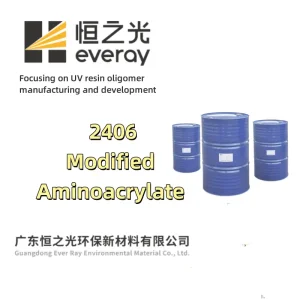
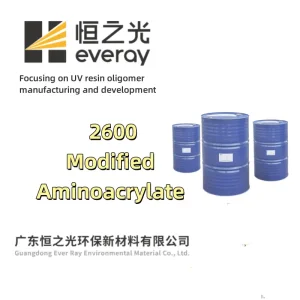
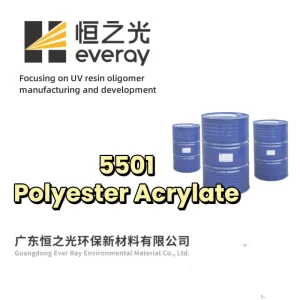
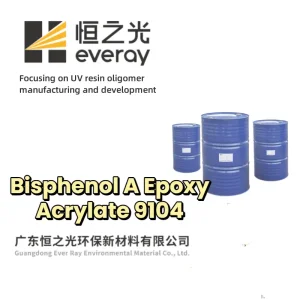
Oman Industrial Landscape: The Shift Toward Radiation Curing
Under the ambitious framework of Oman Vision 2040, the Sultanate is fundamentally restructuring its manufacturing paradigm. The national thrust toward non-oil industrial output emphasizes eco-conscious, zero-VOC chemicals and high-throughput packaging converters situated in the Special Economic Zone at Duqm (SEZAD), Sohar Freezone, and Raysut Industrial City.
Thermal & Atmospheric Realities
Industrial coating and printing plants in the Sultanate confront environmental temperatures frequently exceeding 45°C coupled with coastal humidity. Traditional solvent evaporation mechanisms trigger high structural VOC releases and pinhole defects. Amino acrylate oligomers provide photochemical rapid crosslinking without solvent boil-off, eliminating film voids in demanding Gulf climates.
High-Speed Packaging Growth
Oman’s expanding food logistics, export packaging, and rigid plastic container hubs require high conversion speeds. Conventional photoinitiator profiles often leave tacky surfaces caused by oxygen inhibition. Amine-modified polyether and epoxy acrylates act as built-in hydrogen donors, quenching singlet oxygen and drastically accelerating superficial surface curing.
Port Infrastructure Advantages
Positioned directly outside the Strait of Hormuz, the Ports of Salalah and Sohar furnish direct maritime connectivity with raw material synthesize reactors in Guangdong. Formulators in Oman achieve localized inventory replenishment with lead times reduced by up to 35% compared to European sourcing channels.
Overcoming Atmospheric Oxygen Inhibition: Chemical Mechanism
In thin-film radiation curable systems—such as flexographic inks, overprint varnishes (OPV), and screen printing coatings—atmospheric ground-state triplet oxygen (3O2) diffuses quickly into the surface matrix. This rapidly quenches triplet-state photoinitiators and scavenges carbon-centered propagation radicals, forming unreactive peroxy radicals (ROO•) that terminate polymer chain growth prematurely.
Amine Synergist Hydrogen Donating Pathway
Our amino acrylate oligomers incorporate tertiary amine functional groups covalently bound directly to the oligomeric carbon backbone. When excited by actinic radiation, Type II photoinitiators (such as benzophenone derivatives, isopropylthioxanthone, or camphorquinone) abstract a labile alpha-hydrogen atom situated adjacent to the tertiary nitrogen:
The resulting alpha-aminoalkyl radical (R2N-•CH-R') exhibits rapid reactivity toward residual dissolved oxygen, reacting to generate non-inhibiting peroxy intermediates that subsequently abstract adjacent hydrogens to regenerate initiating radicals, completely overcoming air inhibition.
Elimination of Low-Molecular Migration
Conventional liquid tertiary amine co-initiators (such as triethylamine, N-methyldiethanolamine, or ethyl 4-dimethylaminobenzoate) remain unreacted free molecules within the cured matrix. In Middle Eastern high-temperature operational environments, these low-molecular species volatilize, causing yellowing, pervasive amine odor, and migration out of food packaging.
Ever Ray’s amino acrylate oligomers feature high acrylate functionality (typically 2 to 6 reactive double bonds per molecule). During exposure to 365–405 nm UV-LED or broadband Mercury vapor lamps, the amine-containing macromolecule chemically copolymerizes into the three-dimensional acrylic matrix, ensuring zero extractables, minimal yellowing, and superior mechanical durability.
Global Procurement Requirements & Formulation Matching
Procurement executives sourcing photopolymers for conversion operations in the Middle East balance stringent mechanical performance targets against specific rheological processing windows:
Viscosity & Jetting Dynamics
For high-speed flexo and inkjet printing heads operating in uncooled Gulf production spaces, ink viscosity stability is paramount. We engineer modified amino acrylate grades that prevent micro-gelation under sustained 40°C line conditions, guaranteeing steady flow rates without nozzle clogging.
LED-UV Spectral Matching
With plant conversions migrating from energy-intensive arc lamps to 385nm and 395nm UV-LED arrays to satisfy national decarbonization directives, our amino acrylates deliver high quantum-yield performance when coupled with mono-acylphosphine oxides (TPO/TPO-L) and bis-acylphosphine oxides (BAPO).
Intercoat Adhesion & Shrinkage Control
Excessive acrylate functionality induces volumetric shrinkage stress during polymerization, resulting in delamination from non-polar substrates such as BOPP, HDPE, and treated metals. Our hybrid amino-polyester and amino-polyurethane acrylates incorporate elastic backbones that relieve network tension.
Industrial UV Curing Portfolio for High-Volume Production
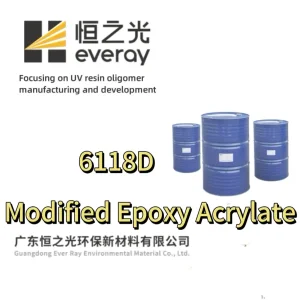
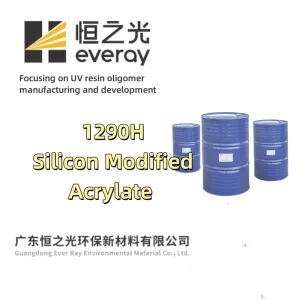
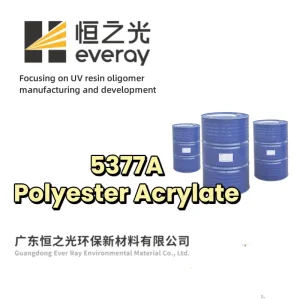
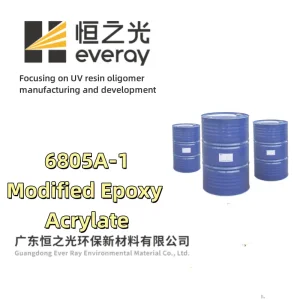
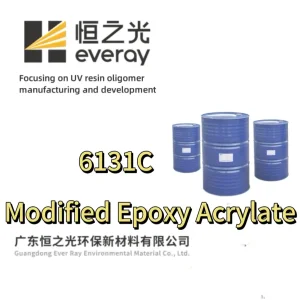
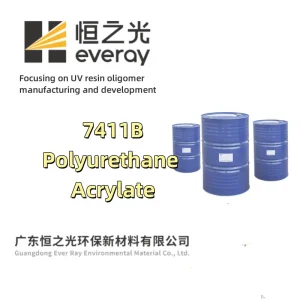
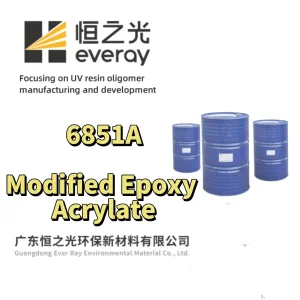
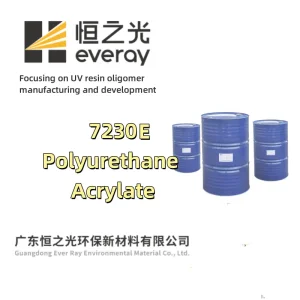
Comprehensive selection of modified epoxy, polyester, and polyurethane acrylate resins fully qualified for regional converters, pipe coating contractors, and commercial graphics manufacturers.
Localized Compliance, GSO Standards & Export Protocols
Supplying industrial monomers and oligomers into the Sultanate requires strict conformity with regional health, safety, and logistical mandates under the GCC Standardization Organization (GSO).
Bilingual GHS Compliance
Every barrel and IBC tote shipped to the Port of Sohar or Muscat includes comprehensive, bilingual (Arabic and English) Safety Data Sheets (SDS) and barrel labels formatted to GHS Rev. 8 guidelines, detailing specific amine numbers, flashpoints, and exposure thresholds for local Ministry of Commerce, Industry and Investment Promotion (MOCIIP) clearance.
Thermal Container Stabilization
Oman maritime transport involves transiting equatorial sea lanes where container core temperatures can trigger spontaneous free-radical thermal polymerization. Our amino acrylate shipments use temperature-regulated reefer transport or active MEHQ inhibitor stabilization engineered to guarantee 12-month shelf life without gelation risks.
Heavy-Duty Export Containment
Resins are supplied in UN-certified 200kg tight-head steel drums with epoxy-phenolic internal linings, or 1000kg composite IBCs featuring reinforced structural steel frames and anti-static discharge valves. This prevents static ignition risks in low-humidity desert storage terminals.
Technology Roadmap: Next-Gen Radiation Curing Photopolymers
Ever Ray is continuously evolving its chemical synthesis capabilities to address future sustainability regulations, lower thermal footprints, and the growing demand for advanced bio-derived matrices.
Bio-Based Polyol Integration
Replacing petroleum-derived polyester and polyether diols with functional vegetable-oil polyols (castor and soybean oil derivatives) allows us to achieve over 40% renewable carbon content in amino acrylate backbones without losing surface cure reactivity or film glass transition temperature (Tg).
Ultra-Low Odor Waterborne PUA
Integrating amino synergists directly into waterborne polyurethane acrylate dispersions enables clean, water-thinnable coating formulations that eliminate airborne monomer odors, ensuring suitability for enclosed commercial interior and food retail display fabrication across the GCC.
Additive Manufacturing & SLA Resins
Developing high-purity, low-viscosity amino acrylates formulated specifically for stereolithography (SLA) and digital light processing (DLP) 3D printing, enabling rapid green-state cure speed, minimal layer-delamination stress, and fine dimensional tolerances for regional engineering prototypes.
Frequently Asked Questions for Oman & Middle East Procurement
Key formulation, storage, and import questions handled directly by our application chemists and commercial export teams.
Accelerate Your Radiation Curing Formulations Today
Connect with our senior technical specialists to request tailored oligomer samples, comprehensive Technical Data Sheets (TDS), and direct factory quotation pricing for operations in Oman and across the GCC region.
