
High-Reactivity Pre-Polymer Selection for Puget Sound Manufacturing
Engineered to mitigate oxygen inhibition, accelerate cure kinetics under high line speeds, and withstand rigorous maritime atmospheric conditions.
-
 Seattle High-Quality A150 UV-Resin for UV-Ink and Packaging Formulations
-
 High-Efficiency Polyester Acrylate 5311A – Seattle Industrial Coating Formulator Choice
-
 Wholesale 5403DF: High-Speed Flexographic Printing & Packaging Oligomer for WA Importers
-
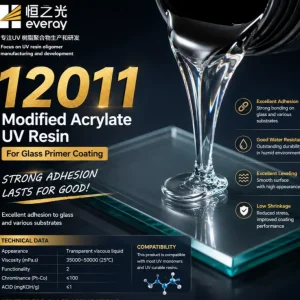 Wholesale 12011 Modified Acrylate UV Resin: Boiling Water Resistant Glass Primer
Active Amine Chemistry in the Seattle Industrial Corridor
Analyzing technical consumption across aerospace composites, marine coatings, functional consumer tech, and sustainable packaging hubs in Washington State.
The Puget Sound region, encompassing Seattle, Tacoma, Bellevue, and Everett, represents one of North America's most demanding arenas for advanced radiation-curable systems. As Seattle transitions aggressively toward low-VOC mandates and green-compliant formulations under Washington State Department of Ecology guidelines, conventional thermal-cured systems are being rapidly replaced by high-efficiency UV/EB curable polymer networks. Within this transition, active amines and amino acrylate synergists represent the pivotal functional chemistry required to overcome atmospheric limitations, notably ambient oxygen inhibition common in high-humidity coastal production lines.
Industrial Catalysts Driving Demand
Four primary sectors define the Seattle active amine acquisition pipeline:
- Aerospace & Structural Composites: Secondary aerospace components manufactured across King and Snohomish counties mandate exceptional crosslinking density without brittle micro-fracturing. Active amines serve as primary hydrogen donors to Type II photoinitiators (e.g., Benzophenone derivatives), mitigating unreacted surface monomers and elevating critical chemical resistance against aviation hydraulic fluids and de-icing compounds.
- High-Speed Sustainable Packaging & Flexography: Seattle's digital commerce infrastructure demands rapid-curing, low-odor, migration-free overprint varnishes (OPVs) and graphic arts inks. Amine-modified polyether and polyester acrylates drastically reduce cure cycle times under energy-efficient LED-UV pinning setups.
- Clean-Tech Marine & Architectural Wood Finishing: The Pacific Northwest’s damp coastal conditions accelerate moisture condensation during coating application. Specialized modified amino acrylates ensure surface slip, superior scratch performance, and total tack-free surface curing without moisture haze.
- Additive Manufacturing & Precision Microfluidics: The biomedical and high-tech hardware prototyping corridor stretching along Lake Washington requires photopolymer resins with sub-micron edge definition. Specialized aliphatic amine oligomers ensure controlled free-radical reaction kinetics in DLP/SLA optical engines.
Factory 4.0: China Supply Chain Resilience for Puget Sound Importers
Combining mega-scale precision synthesis, automated continuous batch reactors, and strategic maritime logistics through the Port of Seattle and Port of Tacoma.
Automated Micro-Reactor Synthesis
Continuous-flow synthesis architectures minimize heat degradation during amine functionalization, delivering tighter molecular weight distribution (polydispersity index < 1.3) and superior color stability (Gardner < 1.0).
Strict QA/QC Analytical Rigor
Every bulk tote and ISO tank is monitored via real-time Gel Permeation Chromatography (GPC), Fourier-Transform Infrared (FTIR) spectroscopy, and titration analysis to guarantee absolute amine value uniformity.
Direct Maritime Transit Corridors
Strategic dispatch from major Chinese container terminals directly to the NWSA (Northwest Seaport Alliance) terminals in Seattle and Tacoma ensures stable supply lines, insulated against seasonal rail disruptions.
Active Amine Technical Roadmap: 2026–2030
Next-generation polymer modification targeting zero VOC migration, bio-derived carbon chains, and ultra-deep dual-curing networks.
Odorless Amino Acrylates
Polymer-bound amine co-synergists eliminating volatile free amine odor in sensitive food contact packaging applications.
Long-Wavelength LED Synergy
Optimized molecular structures maximizing photon absorption efficiency across 365nm, 385nm, 395nm, and 405nm ultraviolet LED spectra.
Bio-Based Active Amines
Incorporating plant-derived polyols and organic amine compounds to achieve >45% renewable bio-carbon content per ASTM D6866 standards.
Photo-Thermal Dual Cure
Self-initiating amine systems enabling instant UV surface fixation combined with moisture/thermal shadow cure for complex 3D profiles.
Regulatory Compliance & Pacific Northwest Supply Security
Ensuring seamless commercial transactions under federal, state, and international chemical inventory frameworks.
TSCA Active Status & SDS (GHS Rev.8)
All active amine chemical entities exported to the Port of Seattle comply fully with the Toxic Substances Control Act (TSCA) Inventory, documented with complete 16-section OSHA-compliant Safety Data Sheets.
Washington Safer Products Act Alignment
Our formulations are proactively audited to omit restricted plasticizers, hazardous air pollutants (HAPs), and per- and polyfluoroalkyl substances (PFAS), adhering strictly to Puget Sound Clean Air Agency protocols.
Customs Clearance & Door-to-Door Logistics
We provide full documentation suites including Certificates of Analysis (COA), Certificate of Origin (COO), and customs broker coordination to facilitate rapid clearance across Washington border inspection posts.
Specialty Oligomer & Functional Monomer Portfolio for US Buyers
Explore complete commercial grades engineered for plastic coatings, wood finishing, vacuum metallization, and additive photopolymer synthesis.
-
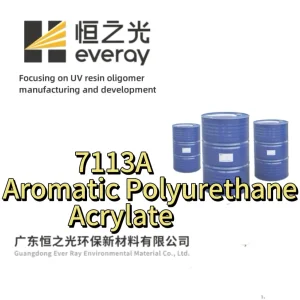 Seattle Spec: Aromatic Polyurethane Acrylate for High-Adhesion Vacuum Metallizing & Topcoats
-
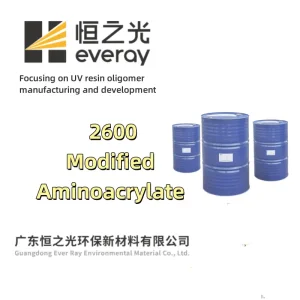 Seattle Industrial Grade: Durable 2600UV Resin – Extreme Hardness & Abrasion Shield
-
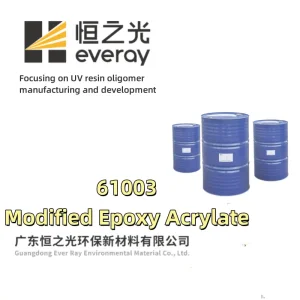 Packaging Excellence: 61003A UV Resin for Plastic-Film Varnish & LED Packaging Systems
-
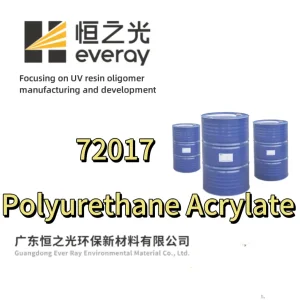 Rapid Prototyping: 72017 Photo-Thermal Dual-Curing Low-Shrinkage 3D Printing Oligomer
-
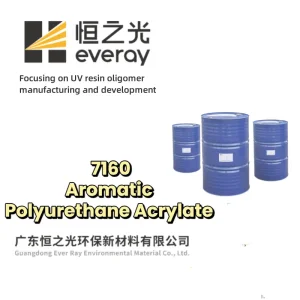 Seattle Architectural: Aromatic PA UV-Resin 7160 for High-Impact Wood & Plastic Coatings
-
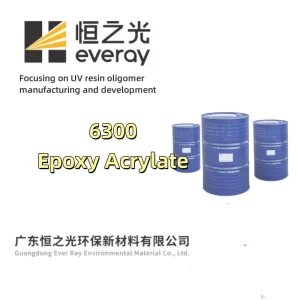 Commercial Graphic Arts: Wholesale Low-Viscosity 6300 Modified Epoxy Acrylate for Paper OPV
-
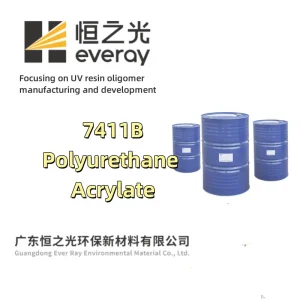 Surface Innovation: 7411B High-Solids Low-Viscosity Oligomer for Elegant Matte UV Coatings
-
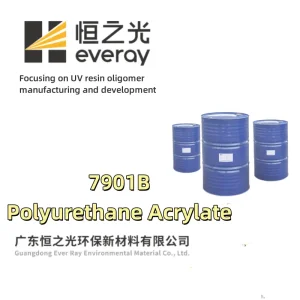 Heavy Industry Spec: 7901B UV Resin for Protective Heavy-Duty Industrial Coatings
Secure Factory-Direct Active Amine Supply to Washington State
Whether you are formulating zero-VOC flexographic inks, aerospace UV-protective sealers, or high-performance photopolymers, our synthetic chemistry team provides comprehensive sample batches, custom oligomer synthesis, and volume supply guarantees.
Frequently Asked Questions: Active Amine Supply to Seattle
Authoritative guidance addressing chemistry selection, regional regulatory compliance, and cross-Pacific freight mechanics.
