
Wholesale Waterborne & High-Performance Resin Systems (Batch A)
Direct manufacturing supply designed for formulators requiring precise crosslinking, ultra-low VOC emissions, and robust interfacial adhesion.
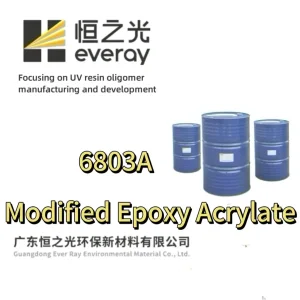
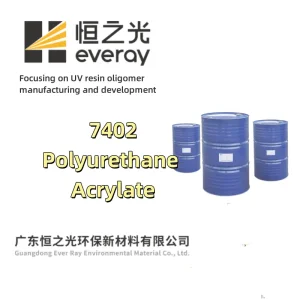
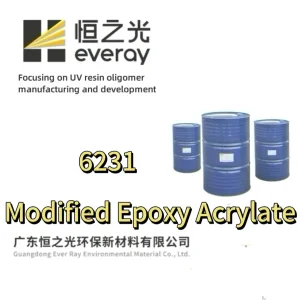
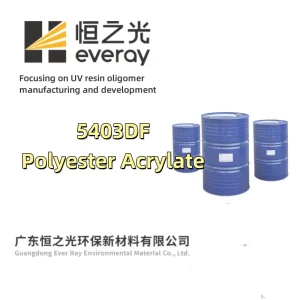
Global Industrial Status & Regulatory Paradigm Shift
The global coatings and chemical synthesis landscape is undergoing structural decentralization away from petroleum-based aromatic solvent systems toward eco-sustainable waterborne dispersions.
Stringent Global Environmental Policies
Decarbonization frameworks such as the European Green Deal, California CARB Rule 1113, and China's GB/T 38597 have codified strict boundaries on hazardous air pollutants (HAPs). Waterborne UV polyurethane dispersions (PUDs) replace traditional aromatic solvents (toluene, xylene, butyl acetate) with deionized aqueous carriers, reducing overall lifecycle toxicity by up to 82%.
Supply Chain Realignment & Cost Parity
Historically limited by high thermal drying energy footprints, modern waterborne formulations now incorporate self-emulsifying hydrophilic polyols and ionic chain extenders (e.g., DMPA). These architectural breakthroughs unlock near-instantaneous flash-off curves, closing the throughput cycle gap between solvent-borne fast lines and green coating facilities.
Tier-1 Industrial Scalability
Guangdong Ever Ray Environmental Material Co., Ltd. operates a dedicated 40,000 m² chemical base outfitted with closed-loop automated reactors and rigorous HPLC testing protocols. This level of quality management provides global suppliers with tight batch-to-batch polymer integrity, verified solids content (38%-42%), and predictable shelf stability without premature micelle coagulation.
Engineering Scenarios: Substrate-Specific Challenges & Chemistries
Achieving defect-free film formation in waterborne UV chemistries requires an exact balance between thermodynamic surface tension, water-evaporation kinetics, and photopolymerization crosslinking.
1. Architectural Wood & Parquet Flooring
Wood substrates are hygroscopic and inherently sensitive to polar wetting. Traditional water-based coatings frequently cause grain raising and lengthy dry-down delays. Our waterborne polyurethane acrylates (WPUD) leverage low-molecular-weight ionic micelles that wet internal capillaries evenly without fiber swelling, creating a crystal-clear, deep natural-grain finish with >4H pencil hardness after final radiation exposure.
2. 3C Consumer Electronics & Plastic Polyolefins
Polycarbonate (PC), ABS, and treated polypropylene present low critical surface tension, typically under 35 dynes/cm. Ever Ray incorporates hyperbranched functional backbones and aliphatic urethane oligomers with internal polarity modifiers, ensuring excellent wetting without adding aromatic cosolvents. Cured films exhibit exceptional cross-hatch adhesion (ISO Class 0 / ASTM 5B), resistance to hand perspiration, and strong anti-yellowing performance under QUV exposure.
3. Industrial Packaging & Flexographic Graphic Inks
In high-speed flexo and gravure printing, solvent-induced dot swelling and pungent monomer residue on food contact paper are strictly prohibited. Water-thinnable acrylated polyester and polyurethane hybrids yield low-viscosity, stable thixotropic behaviors without plate swelling. They cure under both conventional medium-pressure mercury lamps and energy-efficient 395nm UV LED arrays at web speeds exceeding 150 m/min.
Technical Roadmap & Next-Generation Chemical Vectors
A systematic research projection guiding chemical formulation engineers toward lower energy thresholds, carbon neutrality, and targeted physical-chemical performance.
LED Low-Energy Photoinitiation
Developing specialized amine acrylates and hyperbranched architectures that overcome atmospheric oxygen inhibition without requiring nitrogen inerting chambers or high-heat curing tunnels.
Core-Shell Emulsion Polymerization
Synthesizing hard acrylic cores surrounded by ductile, elastomeric urethane shells. This multi-phase morphology delivers superior scratch resistance without embrittling complex molded geometries.
Bio-Derived Monomer Integration
Replacing standard petroleum diols with itaconic, isosorbide, and castor-oil-derived polyesters to achieve over 45% bio-carbon content while preserving technical mechanical tolerances.
Self-Healing Smart Surfaces
Incorporating reversible hydrogen-bonding motifs and ionic network linkages into the waterborne polymer network to realize scratch-repairing, self-recovering clear coats under low thermal activation.
Enterprise-Grade Coatings Infrastructure & Technical Support
Comprehensive end-to-end integration designed to assist chemical blenders, toll-converters, and large industrial production facilities in modernizing their formulation pipelines.
Custom Polymer Synthesis & Viscosity Tuning
Off-the-shelf resins rarely address nuanced shop-floor issues. Ever Ray adjusts reactive functional counts, molecular weight distribution, and solids percentages to match exact substrate dynamics, target viscosities, and application methods—including automated curtain coater, spray, and roller lines.
Oxygen Inhibition & Curing Analytics
Thin-film waterborne applications are prone to incomplete surface polymerization caused by atmospheric oxygen quenching free radicals. We integrate dedicated active amine co-initiators and amine-modified oligomers directly into the backbone, achieving non-tacky, hard-cured surfaces even at high production speeds.
Full Compliance & Global Export Verification
Our raw materials pass rigorous third-party testing protocols, including REACH, RoHS, Halogen-Free, and low-VOC standards. We supply global chemical formulators with reliable Safety Data Sheets (SDS), Technical Data Sheets (TDS), and starting formulation support for friction-free shipping and customs clearance.
Technical & Commercial FAQ: Waterborne Polyurethane Acrylates
In-depth responses to practical formulation questions addressed by Ever Ray's research chemists and technical field engineers.
What fundamental performance advantages do waterborne UV polyurethane acrylates (WPUDs) offer over traditional solvent-borne systems?
Waterborne UV dispersions combine the environmental benefits of low VOC emissions and zero monomer odor with the rapid curing speed and dense crosslinking of ultraviolet radiation. Because water serves as the primary diluent, formulators can apply films without using volatile solvents like toluene or butyl acetate. This results in superior safety profiles, lower flammability, and compliant working environments, while delivering pencil hardness (2H–4H), high chemical and ethanol resistance, and excellent optical clarity on wood, plastic, and metal substrates.
How should formulators address water flash-off and film coalescence prior to UV curing?
Proper water removal is essential to achieve a defect-free film. Prior to UV exposure, coated parts should pass through an IR or warm air convection drying tunnel (typically 50°C–60°C for 2–5 minutes, depending on line speed and film thickness). This step drives off the water carrier, allowing the dispersed polymer particles to coalesce into a uniform, continuous film. Curing without sufficient water removal can trap moisture, resulting in hazing, micro-voids, reduced adhesion, and impaired mechanical properties.
What role do active amine synergists and amino acrylates play in thin-film waterborne formulations?
Atmospheric oxygen quickly diffuses into thin coating films, reacting with free radicals to form unreactive peroxy radicals. This mechanism terminates polymer chain growth and causes tacky, uncured surfaces. Amino acrylates and active amines donate active hydrogens to these peroxy species, regenerating reactive radicals that continue polymerization. As a result, they accelerate line speeds and deliver dry, tack-free surfaces even under low-energy curing setups.
What is the shelf life and storage protocol for waterborne UV dispersions?
Waterborne UV dispersions should be stored in tightly sealed, opaque containers at temperatures between 5°C and 35°C (41°F–95°F). They must be protected from freezing, direct sunlight, and excessive heat. Freezing destabilizes the ionic or non-ionic micelle structures, leading to irreversible coagulation and phase separation. When stored within these recommended parameters, Ever Ray's waterborne dispersions maintain consistent stability for at least six to twelve months from the date of manufacture.
Can waterborne UV resins achieve direct adhesion onto non-polar plastics such as untreated PP or PE?
Untreated polyolefins (PP and PE) have very low surface energy (often <30 dynes/cm), which inhibits proper wetting for water-based coatings. While our formulations incorporate specialized adhesion promoters, we recommend pretreating these substrates using corona discharge, flame treatment, or an adhesion-promoting primer. For slightly polar plastics such as PC, ABS, and PVC, our modified aliphatic waterborne resins achieve direct cross-hatch adhesion (ASTM 5B) without requiring additional primers.
Wholesale Waterborne & High-Performance Resin Systems (Batch B)
Advanced oligomers engineered for specialized flexographic inks, optical clear-coats, glass bonding, and industrial hard-coating lines.
Partner with Ever Ray: Request Free Formulation Samples
Accelerate your transition to waterborne chemistry. Contact our technical team for custom polymer synthesis, starting formulations, and pilot testing samples.
