High-Performance Oligomers & Functional Resins
Engineered monomers, prepolymers, and reactive diluents rigorously designed for optical clarity, scratch durability, and accelerated polymerization speeds.
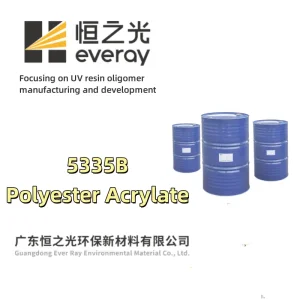
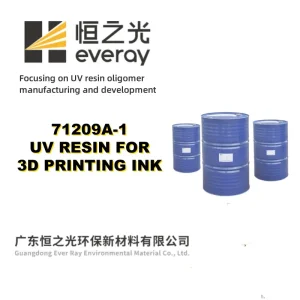
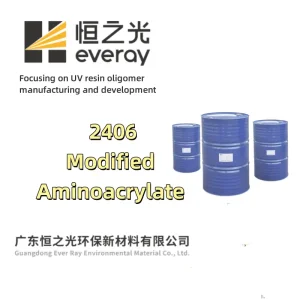
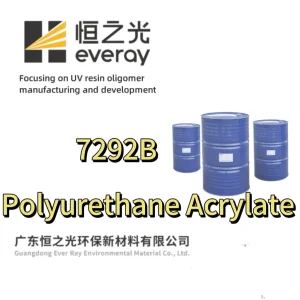
Global Industrial Procurement Drivers for UV Top Coats
Analyzing procurement transformations across aerospace, automotive components, consumer electronics, and continuous-coil manufacturing.
Substrate Micro-Adhesion & Interfacial Energy
Global procurement heads face increasing challenges when coating inert substrates like treated polyolefins, cyclo-olefin polymers (COP), and anodized aluminum. Modern oligomer synthesis integrates carboxyl, silane, and phosphate acid functional segments to secure cross-hatch DIN EN ISO 2409 Class 0 adhesion without aggressive primers.
Zero-VOC & Decarbonization Mandates
Tier-1 automotive suppliers and building materials enterprises are phased out of conventional solvent-borne thermocuring systems due to EU REACH Annex XVII constraints and strict carbon taxes. 100% solid UV/EB oligomers eradicate organic vapor scrubbers, slashing direct plant thermocuring energy footprints by up to 78%.
Throughput Optimization via LED & Excimer Curing
Modern ultra-high-speed converting lines require curing speeds exceeding 150 meters per minute. Formulations utilizing modified hyperbranched acrylates, amino acrylates, and Type II amine synergists decisively combat surface oxygen inhibition under low-energy narrow-wavelength LED UV (365nm/395nm) and 172nm excimer laser matte processing.
Photopolymer Architecture & Performance Matrix
Comprehensive comparative criteria utilized by formulators to configure elite top coat protective barriers across mechanical, optical, and chemical parameters.
| Polymer Backbone Architecture | Surface Hardness | Tensile Flexibility | Weathering / Anti-Yellowing | Volumetric Shrinkage | Target Industrial Domain |
|---|---|---|---|---|---|
| Aliphatic Polyurethane Acrylate (PUA) | 3H – 5H | Superior (30% - 120% Elongation) | Delta E < 0.8 (1200h Xenon) | Low (< 4.5%) | Automotive exterior trims, 3C electronics, Optical lenses |
| Aromatic Polyurethane Acrylate | 4H – 6H | Moderate (10% - 25% Elongation) | Baseline (Sensitive to Solar UV) | Medium (~6.0%) | Heavy-duty wood flooring, Industrial interior anti-wear coats |
| Modified Epoxy Acrylate | 5H – 7H | Low (Brittle, < 5% Elongation) | Moderate (Prone to chalking) | Elevated (7.5% - 10%) | Rigid PCB overcoats, Paper varnishes, Fast-line offset primers |
| Hyperbranched Multi-Functional Acrylate | > 6H Glass-Like | Controlled Cross-link Elasticity | Excellent (Aliphatic Core) | Ultra-Low Stress Relaxation | Excimer matte coatings, Anti-scratch tactile films, Optical displays |
| Waterborne Polyurethane Dispersion (UV-PUD) | HB – 2H | Extremely Flexible (> 180%) | Superb Non-Yellowing | Negligible Matrix Strain | Leather upholstery finishing, Vacuum membrane press foils |
Global Commercial Status & Supply Chain Resilience
Addressing structural raw material dynamics, geopolitics, transport stability, and custom synthesis capabilities.
Monolithic Direct Integration
By producing specialized acrylic polyols, modifying isocyanates in-house, and implementing backward chemical integration, Ever Ray stabilizes downstream oligomer prices, mitigating swings in acrylic acid and bisphenol markets to protect multinational procurement budgets.
Bulk Shipping Quality Retention
Exporting sensitive UV resins across trans-equatorial maritime shipping corridors presents severe premature gelation hazards. Our chemistry utilizes advanced non-yellowing radical scavengers (inhibitor systems) tested to ensure thermal stability at 60°C for over 30 days without kinetic viscosity drift.
Bespoke Functional Tailoring
Standard off-the-shelf resins fail when balancing opposing physical properties. Our R&D team adjusts oligomer backbone lengths, oligomeric dispersity, and active functional pendant chains within 14 working days, transforming benchtop chemistries into multi-ton ISO-certified bulk yields.
Regulatory Assurance & Localized Technical Support
Ensuring frictionless international clearance and robust localized engineering consultation across key global markets.
REACH / RoHS Compliance
Full pre-registration and tonnage coverage under EU REACH, UK REACH, and US TSCA, with non-detectable free heavy metals or restricted phthalates.
Low-Odor & Skin Tolerance
Specialized purification systems eliminate residual monomers, driving residual volatile monomer fractions below 500 ppm for nail gels and indoor luxury finishes.
Multi-Region SDS Portals
GHS-compliant Safety Data Sheets and Technical Data Sheets generated in 18 distinct global languages with clear toxicological profiles and UN transport classifications.
Field Application Engineers
On-site curing process diagnostics, including UV radiometry profiling, viscosity modification, and oxygen barrier optimization direct to customer factory lines.
Frequently Asked Formulator & Purchasing Inquiries
Expert chemical answers to critical questions regarding photopolymer mechanics, resin selections, and curing parameters.
How do you balance high surface hardness with flexibility in UV top coats?
Achieving this classic formulation challenge requires deliberate control over cross-linking density and oligomeric backbone morphology. We recommend blending high-functionality aliphatic polyurethane acrylates (which contribute tough hydrogen-bonding urethane segments) with hyperbranched acrylate oligomers or flexible polyester acrylates. This strategy prevents matrix embrittlement while retaining 4H–5H pencil scratch thresholds.
What measures eliminate oxygen inhibition in ultra-thin top coat films?
Thin films (< 12 microns) in overprint varnishes and flexographic printing suffer heavily from ambient oxygen quenching propagating free radicals. Practical resolutions involve incorporating reactive amino acrylates or active amine co-initiators into the oligomer backbone, switching to higher-intensity 395nm LED arrays with concentrated alpha-hydroxyketone or acylphosphine oxide photoinitiator packages, or implementing nitrogen-inerted curing chambers.
Why is an aliphatic backbone mandatory for clear automotive top coats?
Aromatic oligomers synthesize benzene rings that readily photodegrade under natural solar ultraviolet radiation, creating chromophoric quinoid structures that trigger severe yellowing, embrittlement, and micro-cracking within months of exterior exposure. Fully aliphatic polyurethane acrylates (built with IPDI or H12MDI isocyanates) retain absolute optical clarity and maintain ΔE values below 1.0 over extended QUV testing.
What is the standard production lead time and minimum order quantity (MOQ)?
For standard production catalog grades (such as standard epoxy acrylates, standard aromatic PUA, and polyester acrylates), standard inventory is stocked in our Yunfu and Jiangmen distribution hubs, shipping within 48 to 72 hours. Custom-modified macromolecular oligomers require a 14-day production window with typical trial MOQs starting at 200 kg steel drums up to 1000 kg IBC totes.
Specialty Curing Oligomers & Functional Modifiers
High-adhesion, electroplating-compatible, and low-shrinkage resin matrices engineered for extreme physical environments.