
High-Reactivity UV Monomers & Oligomer Formulations
Direct factory procurement for tier-1 chemical compounding, flexographic printing, packaging lamination, and precision substrate barrier finishing.
Wholesale Polyester Acrylate 5502B–Fast Reactivity, High Hardness, Low Odor, and Excellent Heat Resistance Manufacturer, Supplier
View Product
Wholesale 5403DF:Ideal polyester acrylic UV resin for UV and flexographic printing applications Manufacturers, Product
View Product
Buy Fast-Cure High-Gloss Modified Epoxy Acrylate UV Resin 6805A-1 for UV Ink and UV varnish Factory, Factories
View Product
Buy 2406 UV Resin: Low Odor Solution for Rapid Paper and Plastic Varnishes Manufacturer, Factories
View Product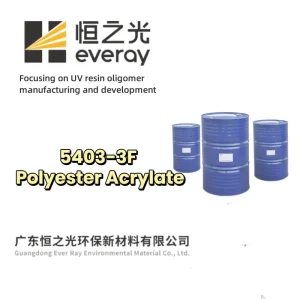
High-Quality 5403-3F Polyester Acrylate, which can achieve the best water-ink balance in UV ink Manufacturers, Products
View Product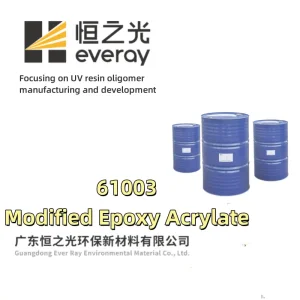
Buy 61003A UV resin in UV plastic-film varnish and LED-UV Packaging Manufacturers, Products
View Product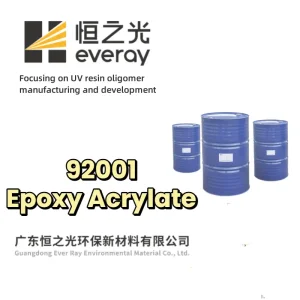
Wholesale A Versatile Solution for High-Efficiency Curing Applications: Epoxy Acrylate 92001 Manufacturer, Product
View Product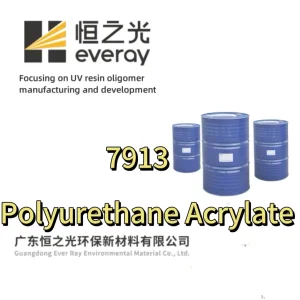
High-Quality 7913 High Reactivity Anti-fouling & Abrasion Resistant Polyurethane Acrylate UV Resin Manufacturers, Supplier
View ProductNavigating Supply Chain Volatility & Performance Demands in Industrial Acrylates
Modern industrial production demands uncompromising material consistency, regulatory alignment, and energy-efficient photocuring dynamics under intense cost discipline.
Substrate Adhesion Diversification
Industrial coaters encounter severe surface energy disparities across polyolefins (PP, untreated PE), engineering thermoplastics (PET, PC, PMMA), and vacuum-metallized layers. Achieving intercoat cohesion without flammable solvent swelling demands specialized phosphate-functionalized acrylates and hyperbranched oligomers.
- Low surface-energy wetting mechanics (<32 mN/m)
- Elimination of halogenated primers on inert polymers
- Prevention of shrinkage-induced interface delamination
LED-UV 365-405nm Curing Transition
The phase-out of high-pressure mercury arc lamps in favor of energy-efficient UV-LED exposure units requires photopolymer backbones with accelerated free-radical propagation and targeted photoinitiator synergists to overcome atmospheric oxygen inhibition without surface tackiness.
- Type II photoinitiator synergism via amino-acrylates
- Rapid deep-section photopolymerization under 395nm
- Thermal-damage mitigation for sensitive films and labels
Strictest Regulatory & Migration Profiles
Global chemical legislation (EU REACH, RoHS, TSCA, FDA 21 CFR indirect food contact, Swiss Ordinance) prohibits leachable residual monomers and photoinitiator fragments in consumer electronics, sensitive packaging, and medical components.
- High-molecular-weight oligomers preventing migration
- Benzophenone-free and zero-VOC starting points
- Full traceability from raw isocyanates to finished drums
Engineering the Polymer Backbone: Structure vs. Performance
Formulators must navigate precise trade-offs between tensile strength, elongation at break, weatherability, and curing kinetics. Below is our baseline performance benchmark across core resin categories.
| Resin Oligomer Category | Backbone Chemistry | Hardness / Glass Transition (Tg) | Tensile / Flexibility Balance | Yellowing & Weatherability | Primary Industrial Sector |
|---|---|---|---|---|---|
| Bisphenol A Epoxy Acrylates | Aromatic Diglycidyl Ether | Ultra-High (>55°C) | Rigid, high tensile, low elongation (<5%) | Fair (Indoor applications) | Wood sanding primers, PCB solder masks, OPV |
| Aliphatic Polyurethane Acrylates | IPDI / HDI Polyester/Polyether | Modifiable (-20°C to 45°C) | Exceptional elongation (40% - 250%) & memory | Outstanding (>1000h QUV-A) | 3C electronics clear coats, optical films, nail gels |
| Aromatic Polyurethane Acrylates | TDI / MDI Polyol Backbone | High (30°C to 65°C) | High impact absorption, tough scratch resistance | Prone to UV darkening | Heavy industrial flooring, structural metal coatings |
| Chlorinated / Amine-Modified Polyesters | Polybasic Acid / Polyhydric Alcohol | Medium (10°C to 40°C) | Balanced flexibility with high pigment wetting | Moderate to Good | High-speed lithographic offset, flexo inks, packaging |
| Dendritic Hyperbranched Acrylates | Multi-arm Spherical Polyesters | Extreme Crosslink Density | Ultra-hard surface, minimal volumetric shrink | High Thermal Resistance | Display glass hardcoats, automotive interior trim |
Technical Insight on Volumetric Shrinkage: Standard monofunctional acrylates exhibit up to 15-20% free-volume contraction during radical vinyl polymerization, leading to microscopic micro-cracks and loss of crosshatch adhesion on non-porous metals and plastics. By incorporating hyperbranched architectures and low-shrinkage urethane oligomers, Ever Ray achieves cured film shrinkage below 3.5%, preserving critical bond lines under dynamic thermal cycling (-40°C to +125°C).
Engineered Resins for High-Stakes Industrial Applications
Our resin portfolios are synthesized to satisfy specialized performance specifications across global manufacturing verticals.
3C Consumer Electronics & Displays
Laptops, smartphones, and automotive infotainment consoles require high optical clarity, scratch resistance up to 4H pencil hardness, and resistance to artificial sweat, cosmetic oils, and isopropyl alcohol cleaning cycles. Aliphatic polyurethane acrylates provide the required non-yellowing mechanical shield.
- Taber abrasion resistance >1,000 cycles with CS-10 wheels
- Hydrophobic surface modification for anti-smudge and oleophobic finishes
- Flexible impact resistance on thin-wall polycarbonate housings
Commercial UV Printing & Packaging
High-speed web flexo and sheetfed offset printing require binders that wet organic and inorganic pigments rapidly, transfer smoothly across anilox rolls, maintain stable rheology without misting at 400 m/min, and achieve clean water-ink balance on aluminum lithographic plates.
- Stable dynamic rheology minimizing ink splatter
- Superior wetting indices for carbon black and phthalocyanine blue
- Instant curing under mercury arc, metal halide, or UV-LED 385-395nm
Additive Manufacturing & SLA/DLP Resins
Precision stereolithography (SLA), digital light processing (DLP), and LCD 3D printing depend on reactive photopolymer blends with ultralow initial viscosity (<300 cps at 25°C), high curing depth per millijoule of light dose, and minimum unreacted monomer content in green-state prints.
- Low initial viscosity for rapid recoating cycles
- Balanced tensile modulus for ABS-like and rubber-like components
- Dual-cure (UV + thermal) formulations for extreme isotropic strength
Industrial Wood, Parquet & Fiberboard
Automated roll-coating and vacuum-spray finishing lines for timber flooring demand primers that seal open pores, withstand deep sanding without gumming sandpaper, and topcoats that resist hot pans, wine, coffee, and daily abrasion without cracking.
- High sandability within seconds post-cure
- Zero VOC emissions complying with indoor air quality regulations
- Excellent grain definition and natural visual depth
Automotive Interior & Exterior Trim
Automotive interior trims undergo harsh environmental stress: solar UV heating through windshields up to 90°C, rapid sub-zero drops, and constant abrasion. Aliphatic urethane acrylates provide flexibility and thermal stability for thermoformed decorative films.
- Thermal shock resistance from -40°C to +105°C
- Elongation during in-mold decoration (IMD) deep-draw forming
- Resistance to cleaners and chemical sunscreen exposure
Cosmetics & Structural UV Adhesives
From professional salon nail gels requiring flexibility and soak-off capability to high-tensile glass-to-metal bonding in medical devices and camera modules, our pure acrylate and special functional polymers deliver peel resistance, biocompatibility, and clarity.
- Low skin-irritation profiles with reduced skin sensitization
- Controlled tack and high shear resistance in optical adhesives
- Rapid shadow-cure dual mechanisms for opaque substrates
Next-Generation Polymer Chemistries in Synthesis
At Ever Ray, synthetic innovation focuses on sustainability, energy reduction, and multi-functional performance architectures.
Bio-Based Carbon Feedstocks
Synthesizing aliphatic and polyester acrylates derived from vegetable oils, succinic acid, and cardanol, achieving renewable carbon content up to 55% while maintaining parity with petroleum-based tensile performance.
Waterborne UV-PUD Dispersions
Emulsifier-free polyurethane acrylate water dispersions that eliminate reactive diluent monomers entirely, delivering zero VOC, minimal viscosity for deep grain penetration, and tack-free handling prior to UV exposure.
Self-Healing Polymeric Networks
Integrating reversible disulfide and dynamic hydrogen bonding within urethane backbones, enabling automotive clear coats and display films to recover from micro-scratches under ambient sunlight exposure.
Dual Thermal-UV & Electron Beam
Photo-radical and blocked-isocyanate dual systems designed for 3D geometric components with shadowed recesses, ensuring full volumetric cure without unreacted resin hazards.
Certified Quality Assurance & Comprehensive Export Handling
We ensure smooth international customs clearance, strict chemical compliance, and safe handling for industrial bulk orders.
REACH & TSCA Compliance
All commercial grades are manufactured using precursors registered under EU REACH, UK REACH, and US TSCA inventories. We provide SVHC compliance declarations and complete Safety Data Sheets (GHS formatted in 14 languages).
Hazardous Logistics & Packaging
Standard packaging options include 25kg HDPE pails, 200kg steel drums with phenolic resin linings, and 1,000kg composite IBC totes. All maritime containers are secured with desiccant systems to prevent condensation and pre-polymer degradation during sea transport.
Direct Analytical Verification
Every batch ships with an authentic Certificate of Analysis (CoA) documenting acid value (mg KOH/g), cone-and-plate viscosity (mPa.s at 25°C), Gardner color index, NCO content, and gas chromatography purity confirmation.
Advanced Specialized Acrylates & Performance Polymers
Hyperbranched architectures, high-solids reactive oligomers, non-yellowing urethane matrices, and specialty adhesion promoters for harsh environments.
Buy Scratch resistant 4600 hyperbranched acrylic UV resin :suitable for varnish and ink Suppliers, Factory
View Product
Buy Anti-Yellowing Polyurethane Acrylate Oligomer-High Flexibility UV Resin for Adhesive and Nail Gel Manufacturer, Factory
View Product
High-Quality 6803A Modified Epoxy Acrylate Resin High Gloss Fast Curing Oligomer for UV Ink Varnish & Plastic Coating Factory, Factories
View Product
High-Quality Polyester Acrylate 5351 – The Ideal Choice for High-Performance UV Coatings and Inks Product, Products
View Product
High-Quality 1200A UV resin in adhesion of density-board primer and metal-substrate Suppliers, Product
View Product
Wholesale High Solid Low Viscosity Modified Acrylate Oligomer - High Elasticity UV Curable Acrylic Resin Factory, Products
View Product
Buy 61163 High Solid Low Viscosity Anti-Yellowing Modified Epoxy Acrylate Resin For UV Coating Factory, Factories
View Product
Buy Durable 7200F polyurethane acrylate: suitable for heat-resistant and cold-resistant UV coatings Manufacturers, Products
View ProductFrequently Asked Technical & Procurement Questions
Detailed technical guidance from our synthetic application chemists regarding rheology, curing kinetics, adhesion, and container handling.
How do amino acrylates and active amines eliminate oxygen inhibition during high-speed thin-film curing?
Atmospheric oxygen acts as a powerful free-radical scavenger, reacting with propagating vinyl radicals to form stable, non-initiating peroxy radicals (ROO•), which causes greasy, uncured surfaces on overprint varnishes (OPV) and flexographic inks below 5μm film thickness. Copolymerizable amino acrylates contain tertiary amine groups with easily abstractable α-hydrogen atoms. These abstractable hydrogens regenerate active alkyl radicals and convert inactive peroxy radicals into harmless hydroperoxides (ROOH), maintaining rapid surface crosslinking without requiring expensive inert nitrogen blanketing.
What is the structural distinction between aliphatic and aromatic polyurethane acrylates (PUA)?
The difference stems directly from the precursor diisocyanate: aliphatic PUAs utilize diisocyanates such as Isophorone Diisocyanate (IPDI) or Hexamethylene Diisocyanate (HDI), which lack benzene ring unsaturation and cannot form light-absorbing quinoid chromophores under solar exposure. This grants aliphatic grades over 2,000 hours of QUV accelerated weathering resistance without yellowing. Aromatic PUAs use Toluene Diisocyanate (TDI) or Diphenylmethane Diisocyanate (MDI), which deliver higher tensile strength, faster curing speed, and lower manufacturing cost, but are limited to indoor uses like parquet wood flooring and pigmented primers.
How does polyester acrylate chemistry regulate water-ink balance in lithographic offset UV inks?
In UV offset printing, the ink film directly contacts dampening solutions containing fountain electrolytes. Standard epoxy acrylates can be either too hydrophobic (causing dry scuffing and tinting) or too hydrophilic if modified with acid, leading to emulsification breakdowns. Our 5403-3F series incorporates a balanced proportion of aliphatic polybasic acid esters and polyol segments, maintaining fountain solution emulsification uptake within a strict 15% to 22% window under high shear, ensuring clean plate boundaries and crisp dot sharpness.
What storage protocols prevent premature gelation of highly reactive acrylated oligomers?
Acrylate functional groups undergo spontaneous thermal free-radical polymerisation if stabilization packages are compromised. Contrary to intuitive handling, acrylate resins require dissolved molecular oxygen to activate phenolic inhibitors such as hydroquinone monomethyl ether (MEHQ). Products must be stored in dark, opaque containers with an air headspace of at least 10%, maintained between 10°C and 25°C, away from direct sunlight, steam heaters, and amine contamination. Stored properly, stability is verified beyond 12 months.
