Direct Sourcing Catalog · Top Recommendations
High-Performance Acrylate & Polyester Polyurethane Intermediates
Explore our premium factory-manufactured chemical grades tailored for surface treatments, industrial varnishes, printing formulations, and advanced engineering substrates.
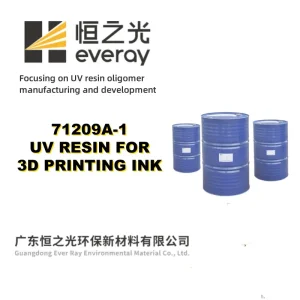
Buy 71209A-1 ABS-Like Engineering Resin: High Strength Meets High Impact Resistance Factory, Factories
Source Material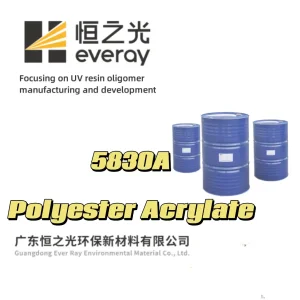
Buy 5830A High Hydroxyl Polyester Acrylate Resin for UV Coatings with Superior Water Boiling Resistance, High Leveling & Fullness Manufacturer, Manufacturers
Source Material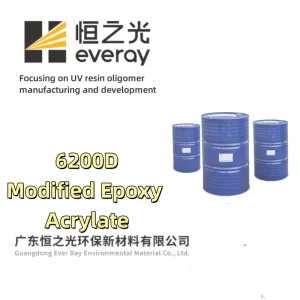
Wholesale 6200D UV-resin in shadowless glue systems Factory, Factories
Source Material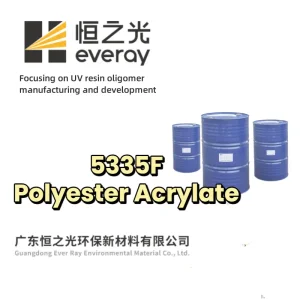
High-Quality Polyester Acrylate 5335F A High-Performance Solution for Offset Inks Factories, Products
Source Material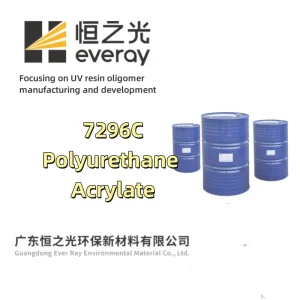
Buy Durable 7296C UV resin: solvent-resistant, abrasion-resistant, suitable for nail polish and wood coating Manufacturers, Factory
Source Material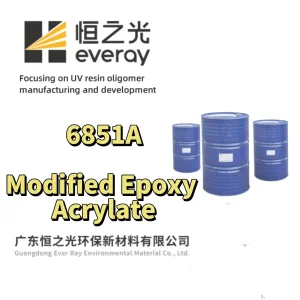
Wholesale 6851A High-Performance Modified Epoxy Acrylate Resin | For UV Coatings, Inks & Gel Polishes | High Transparency & Yellowing Resistance Manufacturers, Factories
Source Material
Wholesale Strong adhesion acrylate oligomer 1100UV resin, suitable for UV coatings and inks Supplier, Suppliers
Source Material
E-E-A-T Technical Procurement Guide
Global Enterprise Demands for Polyester Polyurethane Coatings
In the contemporary B2B supply ecosystem, procurement engineers prioritize polymer matrix density, volatile organic compound (VOC) reduction, and cross-border regulatory compliance above all else.
Stringent Chemical Integrity & Hydroxyl Precision
Global formulation specialists demand precise hydroxyl values (OHV) and low acid numbers in polyester polyols to optimize 2K polyurethane stoichiometric balancing with isocyanate hardeners (HDI/IPDI trimer adducts).
- Tight standard deviation in NCO:OH crosslinking ratios
- Minimization of unreacted monomers and extractables
Supply Chain Resilience & Batch Uniformity
Multi-continental manufacturing operations require sustained volumetric stability. Industrial end-users cannot absorb variations in resin viscosity, refractive index, or dry film hardness across sequential sea freight lots.
- ISO 9001 certified continuous batch synthesis
- Validated Certificate of Analysis (CoA) for all shipments
Targeted Application Engineering Fit
From excimer-laser ultra-matte finishes to flexible in-mold decorated plastics, modern purchasers require resins modified with tailored polyesters to guarantee intercoat adhesion and hydrolytic stability under severe stress.
- Substrate wetting across untreated polymers & alloys
- Accelerated boiling-water and QUV aging resistance
2006+
Industrial Foundation Year
40,000m²
Synthetic Manufacturing Base
10+
Continuous Synthesis Lines
100%
Export Compliance & Tracking
Macroscopic Solutions
Resolving Mechanical Fragility in Modern Surface Coatings
Polyester polyurethane coating technology represents the pinnacle of balancing contradictory physical properties: extreme surface pencil hardness versus crack-resistant flexibility. Conventional polyurethane systems often suffer from yellowing or micro-phase segregation, while unmodified polyesters can lack chemical and solvent resilience.
By engineering specialized aliphatic polyurethane backbones grafted onto saturated polyester architectures, Guangdong Ever Ray Environmental Material Co., Ltd. resolves the trade-off. This chemical hybrid bridges the gap for coatings exposed to harsh mechanical shear, aggressive thermal cycling, and continuous chemical cleaning regimes.
Key Chemical Advantage:
Our ester-urethane segments maintain elastic flexibility at low temperatures while presenting densely crosslinked outer layers capable of resisting methyl ethyl ketone (MEK) double rubs up to 300+ cycles.
| Coating Property | Standard Polyester | Aromatic PU | Polyester Polyurethane (Ever Ray) |
|---|---|---|---|
| QUV Yellowing Delta E | Moderate (< 2.5) | High (> 5.0) | Ultra-Low (< 0.8 Aliphatic) |
| Pencil Hardness | H - 2H | 2H - 3H | 3H - 5H (Formulation Dependent) |
| Elongation at Break | 5% - 15% | 20% - 40% | 45% - 110% Balanced |
| Boiling Water Immersion | Early Blistering | Good Resistance | Passed (Zero Delamination >2h) |
| Intercoat Adhesion | Moderate | Moderate | Class 0 (ISO Cross-Hatch) |
Future-Proof Formulations
Polyester Polyurethane Technology Roadmap & Innovations
The industrial coating industry is progressing toward decarbonization, excimer surface matting, and energy-conserving curing systems. Our continuous research pipelines address these evolving frontiers.
Phase I · Efficiency
LED-UV & Low-Energy Curing
Re-engineering oligomer absorption spectra to align with 365nm, 385nm, and 395nm LED lamps, reducing surface oxygen inhibition without adding migration-prone photoinitiators.
Phase II · Surface Finish
172nm Excimer Soft-Feel Textures
Developing low-viscosity polyester acrylates that self-wrinkle micro-structures under excimer irradiation, producing ultra-deep matte (gloss < 2 at 60°) finishes with natural tactile feedback.
Phase III · Decarbonization
Bio-Sourced Diacids & Polyols
Synthesizing polyester building blocks derived from succinic and sebacic renewable bio-feedstocks, delivering identical performance while reducing cradle-to-gate carbon footprints.
Phase IV · Compliance
Zero-VOC Waterborne PUA Dispersions
High-solid aqueous polyurethane dispersions stabilized with internal non-ionic emulsifiers, engineered specifically for strict European interior emissions norms.
Substrate Adaptability Matrix
Global Industrial Deployment & Substrate Synergy
A single resin chemistry cannot address every substrate interface. Our technical lab validates resin-to-surface performance across global commercial applications.
Consumer Electronics (3C)
Rigid enclosures of PC, ABS, and anodized aluminum require high pencil hardness without substrate embrittlement during drop impact tests.
- RCA Abrasion Resistance > 300 cycles
- Artificial sweat and cosmetic oil resistance
Architectural Wood & Luxury Flooring
Demands rapid roll-coating lines where multi-layer film build requires high sandability in lower sealer coats and extreme scuff resistance on the topcoat.
- Taber Abrasion (CS-17 wheel) < 35mg loss
- Excellent grain clarity and anti-whitening
Graphic Inks & High-Speed Varnishes
Overprint varnishes (OPV) and offset inks run at line speeds exceeding 150 m/min, requiring optimal ink-water balance and near-instant surface cure.
- Low misting at extreme roller rotation speeds
- Zero tack migration during direct coil stacking
Global Compliance Assurance
Global Certification & Logistical Safeguards
Shipping specialized chemical intermediates internationally requires compliance with environmental, labeling, and hazardous material frameworks. Guangdong Ever Ray Environmental Material Co., Ltd. operates with end-to-end documentation transparency.
Every commercial batch is matched with fully translated, GHS-compliant Safety Data Sheets (SDS) and lot-specific Technical Data Sheets (TDS), ensuring swift customs clearance across Europe, North America, Southeast Asia, and the Middle East.
Regulatory Declarations:
Full alignment with EU REACH Annex XVII, SVHC candidate lists, RoHS 3 directive, and US TSCA chemical substance inventory standards.
Standardized Export Packaging Options
We maintain diverse containment solutions designed to protect resin stability against thermal degradation and moisture intrusion during extended maritime transit.
- 25 kg Steel Pails: Ideal for pilot verification and specialized formulas.
- 200 kg Closed-Head Drums: Nitrogen-purged and epoxy-lined.
- 1000 kg UN-Certified IBCs: Optimized for high-throughput automated filling.
Direct Answers
Frequently Addressed Chemical & Supply Inquiries
Expert answers prepared by our chief technical specialists to streamline evaluation and procurement.
How do polyester polyol segments improve polyurethane coatings compared to polyethers?
Polyester polyol architectures provide superior mechanical strength, oxidative resistance, and high-temperature thermal endurance compared to polyethers. Polyethers offer hydrolytic resilience but suffer from UV degradation, whereas aliphatic polyesters impart clarity, scratch resistance, and adhesion to treated metals.
Can Ever Ray customize acrylate functionality and oligomer viscosity?
Yes. Our application laboratory routinely adjusts backbone molecular weight distribution, terminal hydroxyl concentrations, and reactive diluent choices (e.g., TPGDA, TMPTA, DPGDA) to reach customer-specific curing speeds, spray viscosities, and flexibility targets.
What is the standard production lead time and minimum order quantity (MOQ)?
For standard catalogue grades, minimum orders start at one pallet (800kg to 1000kg). Dispatch is handled within 7–12 business days. Custom chemical syntheses typically require a 2,000kg pilot threshold with 3–4 weeks for complete production and QA sign-off.
How do you guarantee batch-to-batch polymer consistency?
Our Yunfu production facility integrates automated digital reactor monitoring that tracks temperature, agitation torque, and esterification water runoff in real time. Every finished batch undergoes mandatory GC, GPC, and viscometric QC validation before release.
Complete Sourcing Catalog · Extended Portfolio
Specialty Coating Resins & Modified Formulations
Review our specialized epoxy acrylates, high-adhesion monomers, and vacuum plating resins engineered to handle challenging industrial coating surfaces.
Wholesale 67283:Rapid-setting yellowing-resistant modified epoxy acrylate solution Manufacturers, Supplier
Source Material
High-Quality 5320 polyester acrylate: optimal ink wettability and high gloss Factory, Factories
Source Material
High-Quality High Abrasion & Yellowing Resistance Modified Epoxy Acrylate Resin 6271 for UV Coatings & Adhesives Supplier, Product
Source Material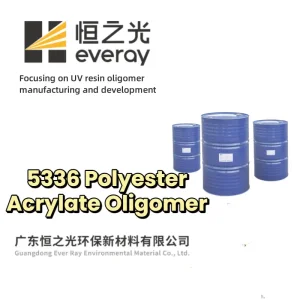
Buy Polyester Acrylate 5336 – The Ideal Resin for High-Performance UV Inks and Varnishes Manufacturer, Supplier
Source Material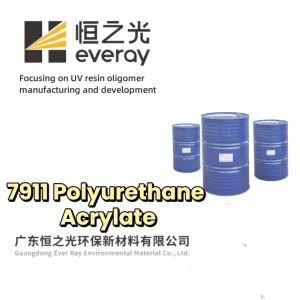
Wholesale Polyurethane Acrylate 7911 – The Ideal Choice for High-Performance UV Coatings! Factories, Product
Source Material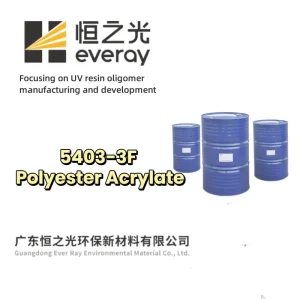
High-Quality 5403-3F Polyester Acrylate, which can achieve the best water-ink balance in UV ink Manufacturers, Products
Source Material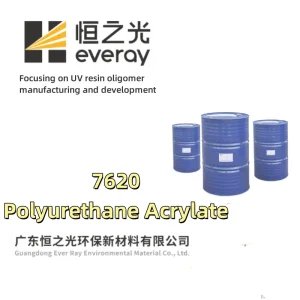
High-Quality 7620 UV-curing Resin applied in UV vacuum electroplating Factories, Products
Source Material