
Featured Aliphatic Oligomers & High-Reactivity UV Systems
Direct wholesale procurement from our polymer reactor facility. Explore high-reactivity, weather-resistant, and low-shrinkage oligomer grades engineered for precision coatings.
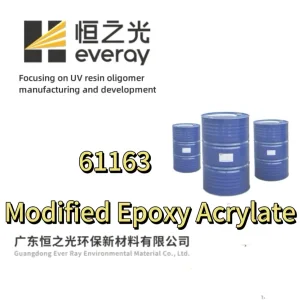
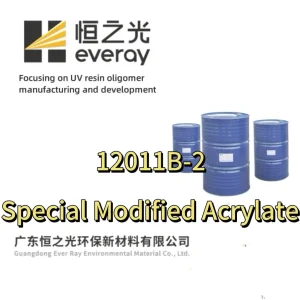
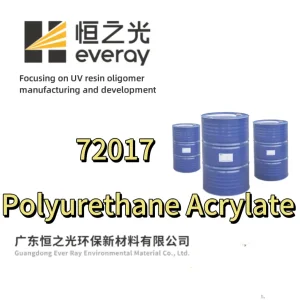
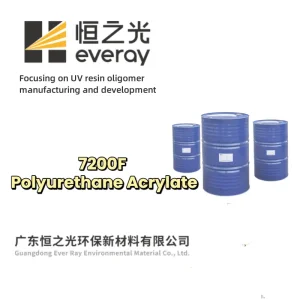
China Factory Supply Chain Advantage: Upstream Integration to Global Port
Operating from our modern polymer base in Dawan Industrial Park, Yunfu, Guangdong, with sales operations headquartered in Jiangmen, Guangdong Ever Ray Environmental Material Co., Ltd. delivers direct-from-reactor cost efficiency, batch consistency, and uninterrupted global delivery.
Direct Isocyanate Integration
We source raw IPDI (Isophorone Diisocyanate), HDI (Hexamethylene Diisocyanate), and specialized polyester polyols directly through long-term volume agreements with upstream petrochemical leaders. This eliminates multi-tier trading margins, providing international clients wholesale pricing advantages of 18% to 28% without sacrificing optical purity.
Automated Reaction Control
Our Dawan chemical synthesis facility utilizes distributed control systems (DCS) monitoring temperature profiles, free NCO titration titration endpoints, and viscosity gradients in real time. Batch variance is kept within a tight ±3% viscosity tolerance, guaranteeing reproducible rheology and cure performance across bulk drum and IBC deliveries.
Deep-Water Port Proximity
Positioned along South China’s prime industrial corridor, our logistics infrastructure enables rapid 48-hour container dispatch to Guangzhou (Nansha) and Shenzhen (Yantian) ports. Dangerous Goods (DG) packing certifications, automated nitrogen-blanketed drumming, and flexible export solutions protect overseas supply line continuity.
Technical Whitepaper: Aliphatic vs. Aromatic Polyurethane Acrylate Chemistry
An in-depth formulation guide for UV coating chemists, procurement engineers, and technical directors evaluating polymer backbone architecture, yellowing kinetics, and weatherability mechanisms.
The Molecular Structure of Non-Yellowing
Aliphatic polyurethane coatings derive their superior performance from the complete absence of aromatic rings along the polymer backbone. By synthesizing oligomers using aliphatic diisocyanates (such as IPDI or HDI) coupled with tailored polyester or polyether diols, the cured polymer matrix resists solar photo-oxidation. In contrast, aromatic urethanes (synthesized from TDI or MDI) contain benzene rings that readily generate quinoid chromophores under UV-A radiation, resulting in rapid film discoloration, embrittlement, and surface micro-cracking.
Toughness-Hardness Synthesis Dynamics
Formulating industrial coatings requires balancing crosslink density against dynamic impact stress. Through precision control of acrylate functionality (difunctional for maximum flexibility, hexafunctional for hyper-scratch resistance), Ever Ray engineers tailor glass transition temperatures (Tg) spanning from -20°C up to +85°C. Covalent hydrogen bonding between urethane (-NH-COO-) segments absorbs mechanical energy, delivering superior pencil hardness (up to 4H-5H) without loss of post-cure substrate elongation.
Curing Kinetics & Dual-Cure Innovations
In high-speed production environments, oxygen inhibition at the air-coating interface represents a major hurdle. Ever Ray’s modified aliphatic PUA oligomers feature enhanced radical propagation rates under 365nm-395nm UV-LED sources. Furthermore, our photo-thermal dual-curing grades (such as 72017) resolve shadow-area curing in intricate 3D geometries, combining free-radical acrylic photopolymerization with secondary thermal condensation reactions for deep-section cure integrity.
| Performance Parameter | Aliphatic Polyurethane (Ever Ray PUA) | Aromatic Polyurethane Oligomer | Standard Bisphenol-A Epoxy Acrylate | Polyester Acrylate |
|---|---|---|---|---|
| QUV Accelerated Weathering (ASTM G154) | > 3,500 hrs (ΔE < 1.5) | < 300 hrs (ΔE > 8.0) | < 500 hrs (ΔE > 6.5) | 1,200 hrs (ΔE < 3.0) |
| Pencil Hardness Range (ASTM D3363) | HB to 5H (Formulation Dependent) | H to 4H | 2H to 6H (Very Brittle) | F to 3H |
| Tensile Elongation at Break (%) | 25% – 180% Controlled | 10% – 50% | 2% – 8% | 5% – 35% |
| MEK Double Rubs Resistance (ASTM D4752) | > 200 cycles (Tack-Free Film) | > 150 cycles | > 200 cycles | > 100 cycles |
| Primary Target Application | Optical films, 3C topcoats, exterior clearcoats | Indoor furniture, pigmented floor sealers | Wood primers, paper overprint varnishes | Offset, flexo & screen printing inks |
Global Enterprise Procurement: Localized Compliance & Risk Mitigation
International corporate buyers face stringent regulatory regimes. Ever Ray maintains full chemical traceability, comprehensive toxicology testing, and regional legal dossiers to guarantee frictionless importation across North America, the European Union, Japan, and Southeast Asia.
EU REACH & SVHC Compliance
Every commercialized aliphatic polyurethane oligomer is systematically documented in compliance with European Chemicals Agency (ECHA) REACH directives. Free monomer residuals (such as HDDA, TPGDA, or residual isocyanate monomers) are strictly monitored via gas chromatography (GC-MS) to fall below 0.05% w/w, well beneath Substances of Very High Concern (SVHC) threshold ceilings.
RoHS & Halogen-Free Mandates
Targeted for global electronics giants producing consumer phones, laptops, and wearables, our formulations are certified 100% free of heavy metals (Lead, Mercury, Cadmium, Hexavalent Chromium), polybrominated biphenyls (PBB), and polybrominated diphenyl ethers (PBDE), satisfying IEC 61249-2-21 halogen-free criteria for eco-friendly electronics manufacturing.
TSCA, IECSC & Regional Inventories
Navigating chemical substance notifications requires active chemical inventory listings. Ever Ray’s core polymer building blocks are registered across the US EPA Toxic Substances Control Act (TSCA) Inventory, China’s IECSC, and South Korea’s ARECs (K-REACH), accelerating regional clearance cycles for multinational contract manufacturers.
Zero-VOC & Decarbonization Targets
Aligning with Scope 1 & Scope 2 decarbonization targets, our 100% solids UV-curable and waterborne polyurethane acrylate (WPUA) dispersions allow manufacturing plants to eliminate volatile organic compound emissions, slash thermal drying energy expenditures by up to 70%, and lower industrial carbon footprints.
Localized Application Engineering: Tailored for Demanding Substrates
Aliphatic polyurethane coatings synthesized by Ever Ray are deployed globally across mission-critical manufacturing sectors. From precision consumer electronics in Shenzhen to automotive components in Detroit and luxury packaging across Europe.
3C Electronics & Mobile Enclosures
Consumer devices engineered with polycarbonate (PC), ABS, and PMMA substrates require extreme abrasion resistance without surface embrittlement. Ever Ray’s multi-functional aliphatic PUA grades deliver crystal-clear protection that withstands 1,000-cycle steel wool rub tests (1kg load), sweat immersion, and cosmetics oil resistance, keeping touchscreens and device chassis pristine under prolonged human contact.
Automotive Exterior & Optical Lenses
Polycarbonate headlight assemblies, LiDAR sensor covers, and exterior trim components must survive gravel impacts, acid rain, and brutal temperature swings (-40°C to +110°C). Our specialized 7200F thermal-cycle resistant resins prevent micro-delamination and yellowing over 10-year vehicle lifespans, retaining total optical transmittance exceeding 92%.
Photopolymer 3D Printing & Additive Manufacturing
For SLA, DLP, and LCD resin systems, viscosity and volumetric shrinkage are paramount. Formulating with our photo-thermal dual-curing oligomers (72017) produces high-toughness, ABS-like functional prototypes and elastomeric footwear lattices that exhibit rapid layer green-strength, low shrinkage distortion (< 0.8%), and remarkable fatigue endurance under cyclical loading.
Future Trends: The Next Decade in Radiation-Curable Polyurethanes
The global radiation curing market is shifting rapidly toward low-energy curing technologies, bio-based feedstocks, and functional surface intelligence. Ever Ray’s R&D team remains at the vanguard of polymer transformation.
LED Long-Wavelength Sensitization
Traditional medium-pressure mercury arc lamps are being phased out globally under the Minamata Convention on Mercury. Formulations are transitioning to 385nm, 395nm, and 405nm UV-LED diodes. Ever Ray engineers hyperbranched aliphatic PUA structures optimized to eliminate surface oxygen inhibition under narrow-spectrum LED irradiance, enabling formulators to run production lines at speeds exceeding 120 m/min.
Bio-Based & Circular Monomer Integration
In response to international carbon-neutral mandates, Ever Ray is synthesizing bio-renewable aliphatic polyurethane acrylates incorporating castor-oil, soybean-oil, and dimer-acid derived polyols. These sustainable oligomers deliver renewable carbon contents between 35% and 65% while maintaining parity in tensile modulus, chemical resistance, and non-yellowing performance compared to 100% fossil-derived precursors.
Self-Healing & Smart Protective Networks
Next-generation automotive paint protection films (PPF) and wearable touch interfaces increasingly demand dynamic self-healing coatings. By engineering reversible dynamic hydrogen-bonding microdomains within the aliphatic polyurethane network, micro-scratches recover spontaneously at ambient room temperature (25°C) within 30 seconds, prolonging product aesthetics without thermal heat guns.
Industrial Buyer FAQ: Engineering, Logistics & Quality Assurance
Addressing top queries raised by global procurement directors, chemical formulators, and import compliance managers sourcing directly from our China manufacturing base.
Aliphatic polyurethane acrylates are synthesized using saturated aliphatic isocyanates (e.g., IPDI, HDI), which lack aromatic rings. This molecular architecture prevents photo-oxidative degradation under sunlight, ensuring zero yellowing and high clarity in outdoor and optical applications. In contrast, aromatic polyurethane resins use aromatic isocyanates (e.g., TDI, MDI) which offer economical toughness and abrasion resistance but discolour quickly under UV radiation, making them suitable strictly for pigmented or indoor floor coatings.
Yes. Backed by 10+ invention and utility patents and dedicated analytical laboratories in Guangdong, our synthesis chemists routinely customize oligomer backbone types (polyether, polyester, polycarbonate diol bases), acrylate functionality (ranging from difunctional 2-arm to hyperbranched 15-arm structures), and molecular weight distributions to match specific substrate adhesion windows, cure speeds, and rheological viscosity targets.
Every production batch undergoes automated distributed control system (DCS) monitoring during the condensation and esterification phases. Before warehouse discharge, our QC department evaluates viscosity (Brookfield viscometers at 25°C ± 0.1°C), Gardner color index, acid value titration, and free isocyanate (NCO%) levels. Every sea-freight shipment is dispatched with an official Certificate of Analysis (COA) matching pre-shipment retain samples stored for 12 months.
We supply export orders in standard 200kg UN-certified steel drums (with phenolic lining protection) and 1,000kg intermediate bulk containers (IBC tote tanks). We provide complete Safety Data Sheets (SDS) authored to GHS Rev 8 specifications, Dangerous Goods Declarations, and non-dangerous cargo certification where appropriate, guaranteeing smooth port customs clearance at global ports across the Americas, Europe, and Asia.
We provide complimentary 500g to 2kg sample bottles dispatched via air express (FedEx/DHL) within 48 to 72 hours for client lab verification, accompanied by Starting Point Formulations and comprehensive Technical Data Sheets (TDS). Standard commercial container production orders (FCL or LCL) are processed and prepared for vessel loading within 7 to 14 business days from our Yunfu synthesis plant.
Amino acrylate oligomers and active amines serve as co-initiators and hydrogen donors for Type II photoinitiator systems (such as benzophenone and isopropylthioxanthone). By donating labile alpha-hydrogen atoms, they rapidly consume atmospheric oxygen molecules that cause surface oxygen inhibition, thereby speeding up surface crosslinking, generating a fully tack-free surface, and elevating conveyor line speed.
Complete Acrylate & UV Curable Product Catalog
Explore our complete commercial range of modified epoxy acrylates, polyester resins, and specialized primers synthesized for diverse industrial substrates.
Partner with Guangdong Ever Ray Environmental Material Co., Ltd.
Whether formulating next-generation optical film coatings, scratch-resistant 3C consumer electronics housings, or solvent-free dual-curing 3D printing polymers, our engineering specialists stand ready to support your lab scale-up and bulk production lines.
