Flagship UV Curable Oligomers & Resin Systems
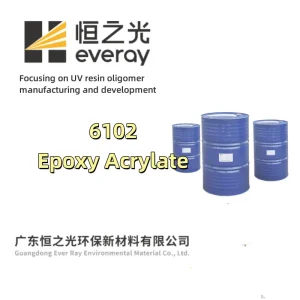
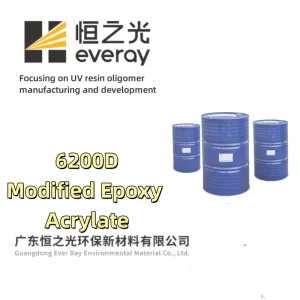
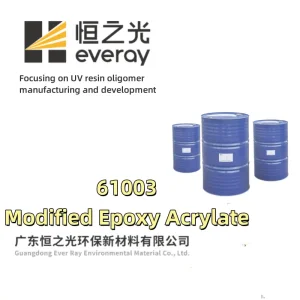
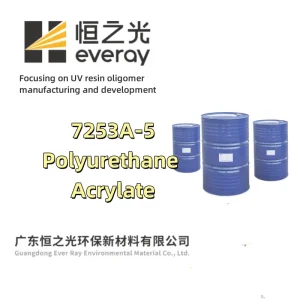
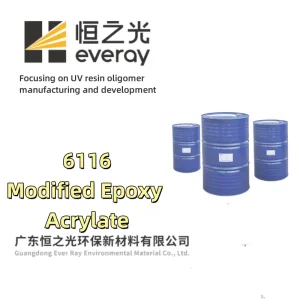
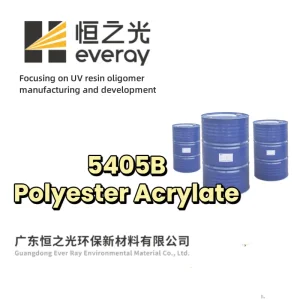
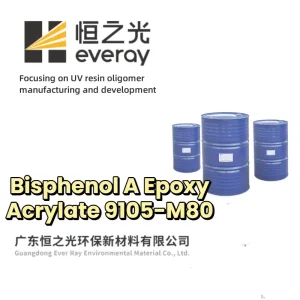
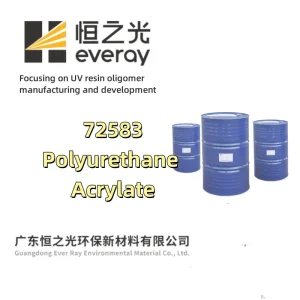
Explore high-performance epoxy acrylates, aliphatic/aromatic polyurethane acrylates, and specialty oligomers synthesized for demanding cure speeds, optical transparency, and surface crosslink density.
Global Photopolymer Resin Landscape & Market Dynamics
A rigorous examination of energy transition mandates, VOC elimination imperatives, and the transformative rise of solid-state LED-cured industrial polymers.
Global Decarbonization Pressures
The radiation curing industry is undergoing an unprecedented structural shift away from solvent-borne acrylic and polyurethane systems. Driven by stringent European VOC directives (Industrial Emissions Directive 2010/75/EU) and North American Clean Air Act enforcement, downstream chemical formulators must transition toward 100% solid content UV/EB oligomers. The total elimination of thermal drying ovens cuts manufacturing energy footprints by up to 75%.
- Zero-solvent VOC regulatory compliance
- Sub-second curing cycles boost throughput
The LED-UV Wavelength Revolution
Mercury discharge arc lamps are being systematically decommissioned worldwide in accordance with the Minamata Convention on Mercury. Formulators require advanced photoinitiator-oligomer synergies tuned specifically to monochromatic, long-wavelength emissions (365nm, 385nm, 395nm, and 405nm). Overcoming severe surface oxygen inhibition without generating excess exothermic heat is the definitive engineering battleground for modern UV resin synthesis.
- Elimination of thermal substrate distortion
- High absorption cross-section photoactive backbones
High-Precision Digital Transformation
The industrial expansion of Stereolithography (SLA), Digital Light Processing (DLP), and Masked Stereolithography (MSLA/LCD) 3D printing into functional end-use parts has redrawn resin specifications. Beyond rapid prototyping, automotive and dental components demand isotopic mechanical durability, Heat Deflection Temperatures (HDT) exceeding 120°C, and exceptional isotropic tensile strengths that rival injection-molded thermoplastics.
- Isotropic engineering grade mechanics
- Tight kinematic viscosity < 800 cps for recoating
Localized High-Impact Application Scenarios
In-depth formulation engineering: how Ever Ray acrylate oligomers resolve fundamental polymer interfacial tensions, substrate thermal differentials, and chemical corrosion resistances across key global sectors.
3C Electronics & Optoelectronics
Polycarbonate (PC), ABS, PMMA, and anodized aluminum casings require micro-thin coatings delivering 3H–5H pencil hardness without embrittlement. Ever Ray provides aliphatic urethane acrylates (PUA) blended with hyperbranched dendritic acrylates, offering outstanding sweat, oleic acid, and cosmetic abrasion resistance for smartphone chassis, laptop outer shells, and wearable electronics.
- Zero yellowing ΔE < 1.0 under 1000h QUV test
- Extreme RCA abrasion cycles (> 300 cycles)
Optical & Shadowless Structural Bonding
High-reliability bonding of dissimilar materials (borosilicate glass to cold-rolled steel, ITO film to polycarbonate) necessitates exceptionally low volumetric cure shrinkage. Our modified epoxy and pure acrylic prepolymers feature volumetric shrinkage < 1.8%, preventing internal stress fractures, delamination, and light distortion in automotive camera modules and display panels.
- Optically clear transmittances > 99.2%
- Boiling water immersion stability > 4 hours
Industrial Additive Manufacturing (3D)
Formulating high-speed DLP and LCD stereolithography resins mandates ultra-low viscosity backbones (< 250 mPa·s at 25°C) to facilitate continuous liquid layer replenishment. Our specialized monofunctional modified acrylates and dual-cure polyurethane acrylates enable high-elongation elastomeric lattices for athletic footwear and high-impact functional ABS-like engineering models.
- Elongation at break up to 280%
- Critical exposure energy Ec < 8.5 mJ/cm²
Engineered Wood & Floor Coatings
Automated roller-coating lines operate at line speeds exceeding 60 meters per minute. Ever Ray bisphenol A epoxy acrylates and waterborne polyurethane dispersions combine superior grain-wetting adhesion with ultra-fast surface tack-free curing. Formulations achieve Taber abrasion resistance > 1000 cycles with zero white-line fracture when subjected to mechanical floor click-lock profiling.
- Immediate sandability within 1.5 seconds
- Zero micro-cracking over natural timber respiration
Offset, Flexo & Screen Printing Inks
Achieving stable lithographic water-ink balance on high-speed commercial presses requires tight hydrophobic-hydrophilic equilibrium. Our multi-arm polyester acrylates ensure rapid pigment wetting, preventing flocculation of carbon black and organic pigments while amino acrylate co-initiators scavenge boundary oxygen to ensure mirror gloss on metallized films and food cartonboards.
- Defect-free ink transfer at 15,000 sheets/hour
- Low migration profiles compliant with food cartons
Cosmetic UV Nail Polishes & Gels
Cosmetic application demands rigorous physiological safety: zero free HEMA monomers, ultra-low exothermic heat release (ΔT < 8°C under 36W LED lamps to eliminate client burn sensations), and 21+ days of peel-free adhesion on keratin. Ever Ray synthesizes customized high-molecular-weight aliphatic PUA systems offering crystal-clear shine and rapid acetone soak-off dissolution.
- EU Cosmetic Regulation (EC 1223/2009) certified
- Rapid soak-off removal in under 8 minutes
Technical Roadmap: Next-Gen Radiation Curing Chemistries
How Ever Ray's R&D synthesis laboratories in Guangdong are addressing the scientific boundaries of deep dark-field polymerization, bio-based monomer integration, and hyperbranched architecture.
Dual-Cure (Free-Radical / Thermal-Moisture)
Overcoming shadow-zone limitations in 3D automotive assemblies. Prepolymers feature primary acrylate photopolymerization for 3-second green strength positioning, followed by secondary dark-field moisture or low-temperature thermal (80°C) crosslinking of unexposed undercuts.
Cationic / Free-Radical Hybrid Systems
Synergizing cycloaliphatic epoxides with multi-functional acrylates. While free-radical chemistry delivers instant surface freeze, cationic ring-opening polymerization eliminates volumetric shrinkage and ensures uninhibited cure progression post-exposure.
High Bio-Renewable Content (> 45%)
Replacing petroleum-derived bisphenol A and petro-isocyanates with synthesized acrylated soybean oil (AESO), itaconic acid derivatives, and cardanol-based modifiers, meeting enterprise ESG decarbonization requirements without compromising Tg.
Hyperbranched Dendritic Architectures
Constructing multi-arm, globular macromolecular backbones with functionalities Z ≥ 12. Delivers high crosslink density and exceptional glass transition temperatures (Tg > 140°C) while maintaining an extraordinarily low Newtonian fluid viscosity profile.
| Resin Oligomer Class | Tensile Strength (MPa) | Elongation at Break (%) | Tg Transition (°C) | UV-LED Cure Speed | Shrinkage Rate | Primary Industrial Utility |
|---|---|---|---|---|---|---|
| Standard Bisphenol A Epoxy Acrylate | 55 – 70 | 2 – 5% | 65 – 85 | 3.5 – 5.0% | Wood primers, high-speed overprint varnishes | |
| Aliphatic Polyurethane Acrylate (2-Func) | 25 – 45 | 40 – 120% | 15 – 45 | 1.2 – 2.0% | Thermoformable films, optical adhesives, nail topcoat | |
| Aliphatic Polyurethane Acrylate (6-Func) | 60 – 85 | 5 – 12% | 90 – 130 | 2.8 – 4.2% | 3C electronics scratch-resistant hardcoats | |
| Multi-Arm Polyester Acrylate | 35 – 50 | 8 – 20% | 40 – 60 | 2.5 – 3.8% | Offset lithographic inks, flexographic inks | |
| Waterborne Polyurethane Dispersion (UV-PUD) | 30 – 55 | 50 – 180% | 25 – 65 | < 1.0% | Eco-wood finishes, automotive interior leathers | |
| Dendritic Hyperbranched Acrylate | 75 – 95 | 1 – 4% | 130 – 165 | 2.0 – 3.2% | High-temperature 3D tooling, optical lens coatings |
Chinese Supply Chain Resilience & Cost-Efficiency Architecture
How Guangdong Ever Ray Environmental Material Co., Ltd. leverages upstream raw material integration, 40,000m² scalable synthesis reactors, and direct chemical corridor pipelines to insulate global partners from supply shocks.
Upstream Feedstock Integration
Our Dawan Industrial Park production hub in Yunfu, Guangdong is directly linked to top-tier domestic petrochemical cracking clusters. Direct pipeline access to glacial acrylic acid (GAA), bisphenol-A (BPA), isophorone diisocyanate (IPDI), hexamethylene diisocyanate (HDI), and trimethylolpropane (TMP) guarantees unshakeable raw material security and pricing stability, insulating our overseas buyers from international commodity volatility.
Precision DCS Automation & QC
All synthesis reactors are governed by Siemens Distributed Control Systems (DCS), continuously monitoring exothermic reactor kinetics, esterification reflux temperatures, acid values, and end-point transesterifications within millisecond tolerances. Every production batch undergoes automated Gel Permeation Chromatography (GPC), HPLC purity verification, and Brookfield rotational rheometry, ensuring batch-to-batch variance of less than 0.5%.
Rapid Scalability & Lead-Time Advantage
With an annual synthesis capacity exceeding tens of thousands of metric tons, Ever Ray provides unprecedented lead-time compression. Standard product lines (epoxy acrylates, polyester acrylates, and urethane acrylates) are inventoried in specialized, temperature-controlled ISO tank containers, enabling international containerized export dispatch within 5–7 business days via the nearby Shenzhen and Guangzhou maritime trade portals.
Global Regulatory Assurance & Localized Engineering Support
Meeting the most rigorous environmental and toxicological mandates across the European Union, the Americas, and Asia-Pacific through institutional E-E-A-T chemical compliance.
REACH & TSCA Certified
Every commercial grade exported by Ever Ray is fully compliant with EU REACH Annex XVII registration and US EPA Toxic Substances Control Act (TSCA) inventories. We eliminate banned phthalates, heavy metals, and persistent bioaccumulative toxics.
RoHS & Halogen-Free
Tailored specifically for consumer electronics and automotive Tier-1 suppliers. Our UV resins achieve complete RoHS Directive (EU) 2015/863 conformity and satisfy strict IEC 61249-2-21 total halogen limits (Chlorine < 900 ppm, Bromine < 900 ppm).
FDA 21 CFR Indirect Food
Specialized low-migration acrylate oligomers designed for food packaging barrier varnishes. Compliant with FDA 21 CFR 175.300 and Swiss Ordinance (SR 817.023.21) migration limits, ensuring undetectable sensory off-taste or compound extraction into packaged edibles.
Bilingual Lab Support
Direct technical consultation with senior doctoral polymer chemists. We provide custom starting point formulations (SPFs), photoinitiator synergy mapping, on-site rheological trial tuning, and rapid turnaround analytical troubleshooting within 24 hours.
Frequently Asked Questions: Radiation Curing Science
In-depth polymer chemistry insights addressing common formulation hurdles, photoinitiator optimization, substrate adhesion failures, and oligomer selection criteria.
Advanced Photopolymer Solutions & Modified Monomers
Explore specialized modified epoxy prepolymers, high-reactivity polyester acrylates, anti-yellowing oligomers, and vacuum metallizing resins engineered for niche manufacturing excellence.