Precision Engineered Resins
High-Performance Scratch & Wear Resistant Polymers
Explore our premium commercial inventory of UV curable oligomers designed specifically for severe abrasion, mechanical shear, and environmental scratch resistance.
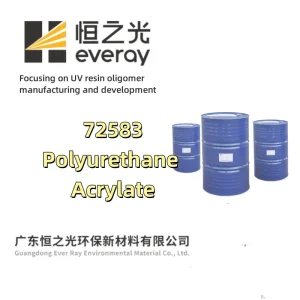
Low Heat Release 72583 Polyurethane UV Resin for 3C Coating
View Specifications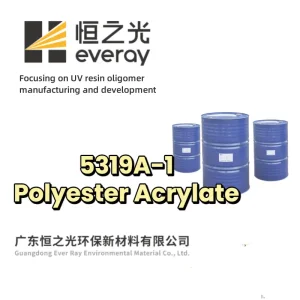
Polyester Acrylate 5319A-1: Reliable High-Performance Oligomer
View Specifications
Scratch Resistant 4600 Hyperbranched Acrylic UV Resin
View Specifications
Waterborne 70601 UV Resin for 3D Printing & Wood Finishes
View Specifications
Anti-Yellowing Polyurethane Acrylate Oligomer High-Flexibility
View Specifications
Low Viscosity 1262B: Scratch Defiant PVC Floor Coating
View Specifications
2406 Low Odor UV Resin for Paper & Rigid Plastic Varnishes
View Specifications
Material Engineering & Physics
The Architecture of Modern Scratch-Resistant Polymers
Overcoming the classic engineering dilemma: Synthesizing resin backbones that reconcile surface hardness with micro-elastic fracture resilience.
Hyperbranched Crosslink Density
Traditional bifunctional acrylates often succumb to micro-scratching under 500g mechanical stylus loads due to insufficient three-dimensional mesh tightness. By synthesizing dendritic hyperbranched polymers (such as 4600), our reactive architectures incorporate 6 to 14 vinyl terminals per molecular core. This achieves pencil hardness ratings upwards of 4H–6H on substrates like polycarbonate without causing micro-cracking during curing shrinkage.
Elastic Viscoelastic Recovery
Rigid hardness without elastic rebound leads to brittle catastrophic fractures under abrasive wear. Ever Ray’s aliphatic polyurethane acrylates introduce flexible polycaprolactone or polycarbonate soft segments within the polyurethane matrix. These segments provide spontaneous viscoelastic thermal relaxation, allowing minor surface indents to spring back when exposed to ambient temperature or mild thermal excitation.
Interfacial Adhesion Kinetics
Wear resistance is fundamentally restricted by interfacial adhesion. Scratch damage often originates from sub-surface delamination. Ever Ray balances functional carboxyl, hydroxyl, and siloxane anchor points to chemically fuse the resin film with notoriously challenging substrates—including untreated PMMA, treated PET, sheet metal alloys, and engineered plastics.
Global Supply Chain Dominance
China Factory Strengths: Advanced Synthesis in Guangdong
Operating from our modern, fully compliant manufacturing hub in Yunfu and Jiangmen, Guangdong Ever Ray Environmental Material Co., Ltd. couples vertical raw material synthesis with strict quality control.
Vertical Feedstock Integration
Situated in China's prime chemical corridor, Ever Ray sources fundamental isocyanates, acrylic acids, polyols, and epoxy monomers directly from primary domestic and international refiners. This vertical raw material supply chain ensures continuous cost advantages, high batch consistency, and protection against supply chain bottlenecks.
ISO-Certified Scalable Capacity
Our 40,000 m² modern chemical facility houses more than 10 dedicated automated polymerization reaction trains. With annual capacity exceeding tens of thousands of metric tons, we provide reliable scale, custom pilot synthesis, and fast lead-time execution for overseas buyers.
Full Regulatory Compliance
Formulating for global markets demands strict ecological accountability. Ever Ray’s synthesized resins comply rigorously with RoHS, REACH SVHC, standard VOC targets, and halogen-free directives, ensuring seamless qualification for multinational supply chains across Europe, the Americas, and APAC.
2006
Established Chemistry Pioneer
40,000+
Square Meters Facility Footprint
10+
Invention & Synthesis Patents
100%
Batch Traceability & Testing
Performance Benchmarking
Scratch-Resistant Resin Chemistry Matrix
Comparative technical indicators measured across standard 25μm film builds under standardized Tabor abrasion (CS-10 wheel, 1000g, 500 cycles) and pencil hardness testing.
| Resin Classification | Pencil Hardness | Taber Wear Delta (mg) | Flexibility (Mandrel) | Yellowing Index (ΔY) | Ideal Application Scenario |
|---|---|---|---|---|---|
| Hyperbranched Acrylate (e.g., 4600) | 5H – 6H | < 4.2 mg | 2 mm | < 1.2 | High-gloss plastic hardcoats, 3C device housings, optical sheet covers |
| Aliphatic Polyurethane (e.g., 72583) | 2H – 3H | < 8.0 mg | 0.5 mm | < 0.5 (Ultra-clear) | Automotive clear coats, consumer electronics touch surfaces, exterior films |
| Aromatic Polyurethane (e.g., 7296C) | 3H – 4H | < 6.5 mg | 1 mm | Moderate (Pigmented) | Heavy-duty commercial flooring, industrial maintenance, PVC plank sealers |
| Modified Epoxy Acrylate (e.g., 6271) | 4H – 5H | < 5.0 mg | 3 mm | < 2.5 | Wood sealers, scratch-proof overprint varnishes, metal packaging inks |
| Waterborne UV Resin (e.g., 70601) | 2H – 3H | < 9.5 mg | 1 mm | < 0.8 | Low-VOC eco-finishes, interior architectural surfaces, precision 3D resin lattices |
Practical Deployment
Macro Industry Solutions & Localized Application Scenarios
How specialized coating formulators leverage Ever Ray resins across diverse industrial manufacturing sectors.
3C Electronics & Mobile Shell Coatings
Challenge: Mobile phones, laptop casings, and wearable electronics face daily contact with keys, coins, grit, and cosmetic solvents without compromising optical clarity.
Ever Ray Solution: Utilizing hyperbranched acrylates blended with low-heat aliphatic urethane backbones (72583) prevents thermal substrate deformation during UV exposure while reaching a 4H pencil hardness and surviving 1,000 steel wool scrub cycles.
High-Traffic Architectural Flooring
Challenge: Luxury Vinyl Tile (LVT), engineered hardwood, and stone plastic composite (SPC) floors must resist heavy pedestrian traffic, rolling casters, and micro-scuffing.
Ever Ray Solution: Implementing 7296C and 1262B ensures deep resin penetration and high crosslink density, resisting heavy mechanical micro-abrasion while retaining flexibility to prevent film popping on plank seams.
Automotive Cockpit & Instrument Surfaces
Challenge: Automotive interiors—from center console touchscreens to piano-black trims—require extreme scratch resistance paired with stringent non-yellowing and low-VOC standards.
Ever Ray Solution: Aliphatic polyurethane acrylate chemistries offer superior UV aging performance (QUV-A > 1000h ΔE < 1.0) and prevent micro-fissuring across extreme temperature swings (-40°C to +85°C).
Optical Glass & Barrier Films
Challenge: Glass coatings for industrial instrumentation and touch-panels often suffer adhesion loss after humidity or thermal cycling.
Ever Ray Solution: Special functional acrylates (such as 17730A-2) form direct covalent links with inorganic silicon substrates, passing severe boiling water resistance tests while maintaining scratch-resistant surface hardness.
Strategic Sourcing Intelligence
Addressing Global Procurement Priorities
Modern raw material sourcing teams evaluate beyond the price tag. Here is how Ever Ray supports industrial coatings procurement teams worldwide.
Tight Batch Viscosity Windows
Automated roller and curtain coating lines cannot accommodate viscosity variations from lot to lot. Ever Ray controls oligomer viscosity within strict ±5% tolerances using precise synthesis endpoints, eliminating re-formulation adjustments for end users.
Complete Regulatory Dossiers
Export compliance can bottleneck chemical imports. Every lot shipped from our factory is supported by comprehensive Technical Data Sheets (TDS), Safety Data Sheets (SDS compliant with GHS standards), Certificate of Analysis (COA), and REACH conformity reports.
Dedicated Formulation Engineering
We do not just ship containers; our R&D team works directly with client chemists. We evaluate your target curing spectrum (LED 365/385/395nm vs. traditional Mercury arc), line speed parameters, and substrate primers to recommend starting formulations that cut customer development cycles.
Technical Inquiries
Frequently Asked Questions
In-depth insights into UV scratch-resistant resin formulation, crosslinking physics, and global procurement procedures.
How does hyperbranched resin increase scratch resistance without causing brittleness?
Hyperbranched polymers (such as Ever Ray 4600) possess a dense spherical or dendritic architecture containing many terminal acrylic groups. Unlike linear high-molecular-weight resins that rely on chain entanglements, dendritic structures cure into dense, tightly knit networks. This high crosslink density creates high surface resistance against micro-indentation, while the compact spherical core prevents the high shrinkage stress and brittleness commonly associated with standard multi-functional acrylates.
What is the recommended balance between aliphatic and aromatic polyurethane acrylates?
Aliphatic polyurethane acrylates (e.g., 72583) are built with aliphatic diisocyanates (such as IPDI or HDI), providing superior non-yellowing and weatherability for clear optical coatings, 3C touchscreens, and automotive surfaces. Aromatic polyurethane acrylates (e.g., 7296C) use TDI or MDI backbones, delivering higher tensile modulus and cost-effective wear resistance. Aromatic grades are best for pigmented primers, architectural flooring, and indoor furniture where direct UV exposure is limited.
Can Ever Ray resins achieve scratch resistance on thin films under LED UV curing?
Yes. Oxygen inhibition is a primary challenge in thin-film LED curing, often leaving the outermost layer under-cured and susceptible to surface marring. Ever Ray pairs high-reactivity acrylates with copolymerizable amino acrylates or active amine co-initiators. These amine groups scavenge peroxy radicals, accelerating surface cure speeds under 385nm and 395nm LED lamps and producing a fully cured, scratch-resistant surface.
How does Ever Ray handle custom pilot synthesis and bulk global logistics?
We provide 1kg to 20kg sample quantities for laboratory validation along with comprehensive starting formulations. Following successful trials, production scales smoothly across our Yunfu reactor systems. For export, materials are packed in UN-certified 200kg steel/plastic drums or 1000kg IBC totes, accompanied by full export documentation, ensuring reliable delivery to ports worldwide.
Advanced Functional Portfolio
High-Performance Oligomers & Specialized Resins
Engineered to meet tough formulation requirements: dual-cure systems, high abrasion resistance, and specialized optical effects.
Modified Epoxy Acrylate 6271: Abrasion & Yellowing Resistant
View Specifications
Multifunctional 7253A-5 UV Resin: Heat & Cold Tolerant
View Specifications
6200D Shadowless UV Curing Adhesive Resin
View Specifications
Polyester Acrylate 5405B High-Efficiency Solution
View Specifications
Polycarbonate Acrylate 72203A Soft-Touch & Scratch Clear Coat
View Specifications
Specialty 7317 UV Resin: Wrinkle & Snowflake Effects
View Specifications
17730A-2 Special Acrylate for High Water-Resistant Glass Coatings
View Specifications