
High-Performance Resins & Floor Primer Solutions
Explore our core synthesized oligomers, formulated for deep substrate penetration, high reactivity, and unmatched impact strength across resilient industrial surfaces.
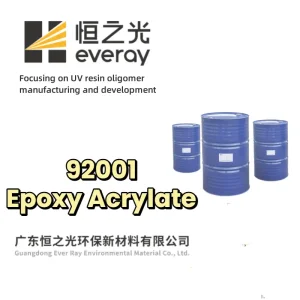
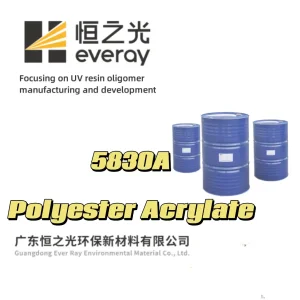
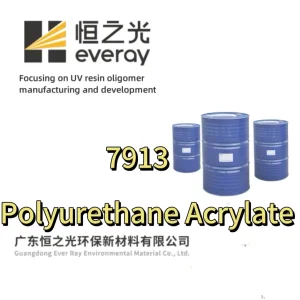
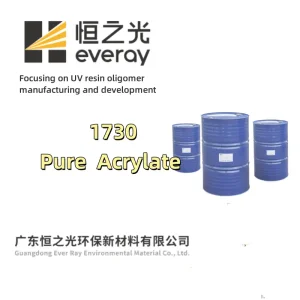
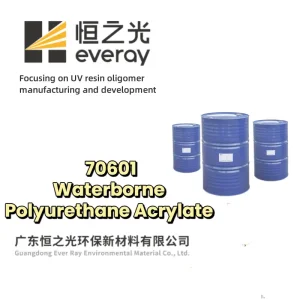
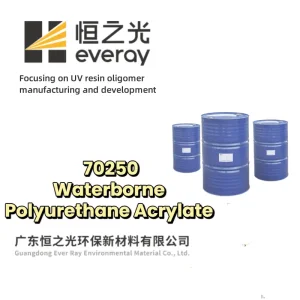
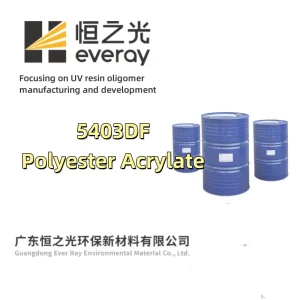
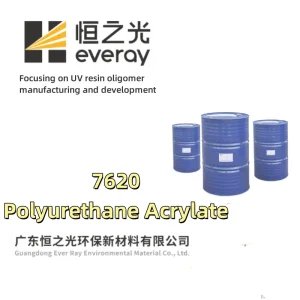
The Architecture of Modern Industrial Polyurethane Floor Coatings
In high-throughput manufacturing plants, aerospace assembly hangars, cold-chain distribution terminals, and semiconductor cleanrooms, concrete substrates endure constant mechanical stress, vibrational loading, thermal shock, and aggressive chemical assault. Formulating effective floor protection is no longer a matter of applying simple single-pack epoxies. Modern performance standards require high-performance polyurethane floor coating systems that integrate polyol backbone flexibility with high-functionality aliphatic or aromatic isocyanate chemistry.
Aliphatic vs. Aromatic PUA Matrices
Polyurethane acrylates (PUA) represent the elite tier of flooring polymers. Aliphatic systems, derived from HDI or IPDI trimers, exhibit complete UV stability, eliminating yellowing in open-air facilities and perimeter perimeter glazing zones. Aromatic backbones (TDI/MDI) maximize crosslink density and tensile modulus at optimized cost, delivering unbeatable puncture and abrasion resistance in heavy forklift lanes and automated guided vehicle (AGV) corridors.
Elastic Recovery & Crack-Bridging
Unlike rigid thermoset epoxies that fracture under seismic micro-shifting or structural joint expansion, polyurethane polymers feature segmented hard and soft domains. The soft polyether or polyester segments deform under dynamic compression to dissipate localized shear stress, providing dynamic crack-bridging capability exceeding 1.2 mm across structural concrete substrates.
Rapid Radiation & Moisture Curing
Downtime in modern fulfillment hubs costs thousands of dollars per hour. Utilizing UV-curable oligomers and ultra-fast curing polyaspartic/PU hybrid formulations allows application teams to roll or spray complete multi-coat flooring systems with return-to-service timelines under four hours, complete with Shore D hardness levels surpassing 80 within 24 hours.
Why Tier-1 Floor Formulators Source From China's Polyurethane Ecosystem
China has transitioned from high-volume synthesis to world-leading precision polymer engineering. Here is how Guangdong Ever Ray's dedicated chemical manufacturing infrastructure directly optimizes global commercial operations.
Upstream Chemical Integration
Positioned directly inside Guangdong's advanced chemical corridor, raw feedstocks—including acrylic acid, polyols, HDI, IPDI, and specialized acrylates—are pipeline-integrated. This continuous domestic material supply insulates international buyers from global supply shocks, erratic lead times, and extreme intermediate markups.
State-of-the-Art Reactor Automation
Our Yunfu production base utilizes multi-stage closed DCS reactor trains capable of tight stoichiometric control. Temperature excursions are restrained within ±0.5°C during high-exotherm urethane esterification, ensuring tight polydispersity indexes (PDI), zero unreacted monomer residue, and reliable batch-to-batch rheological consistency.
Stringent Export & VOC Compliance
All floor resin grades undergo automated gas chromatography (GC) and FTIR spectral validation to verify compliance with international regulations, including EU REACH, RoHS, EPA Rule 24 VOC ceilings, and LEED v4 green building credit protocols. We provide fully documented TDS, SDS, and batch COAs with every export consignment.
Polyurethane vs. Alternative Floor Coating Technologies
A comprehensive engineering comparison of industrial polymer matrices under standardized testing protocols (ASTM D4060, ASTM D4541, ASTM D2240).
| Performance Characteristic | Standard Epoxies | Aliphatic PUA Flooring | Aromatic PU Hybrids | Waterborne UV PUD |
|---|---|---|---|---|
| Taber Abrasion Resistance (CS-17, 1000g, 1000 revs) | 45 - 65 mg loss | < 12 mg loss | < 18 mg loss | < 15 mg loss |
| Shore D Hardness & Elongation | 85D / < 5% | 75D - 82D / 25% - 40% | 80D / 15% - 30% | 70D / 40% - 60% |
| UV Stability & Gloss Retention (QUV 1000h) | Severe chalking & ambering | 98% retention / Zero delta-E | Moderate yellowing | 96% retention |
| Impact Resistance (Direct ASTM D2794) | 50 - 70 in-lbs (Brittle failure) | > 160 in-lbs (No cracking) | > 140 in-lbs | > 160 in-lbs |
| Chemical & Thermal Shock Resistance | High chemical / Poor thermal | High acid/alkali & -30°C to 110°C | High solvent & thermal | Moderate solvent / High thermal |
| Cure Mechanism & Tack-Free Time | Thermal amine (12 - 24 hrs) | Instant UV photopolymerization / 10s | 2K Urethane (4 - 6 hrs) | Dual-cure UV/moisture (15s) |
Engineering Solutions Across Exact Commercial Terrains
Formulating resins for specific operational vulnerabilities ensures lifelong flooring adhesion, hygienic containment, and non-slip worker safety.
Cleanroom Pharma & Bio-Labs
Requires mirror-smooth, pinhole-free monolithic surfaces that resist aggressive hydrogen peroxide sterilization and microbial harboring. High-crosslink aliphatic urethane topcoats eliminate microscopic surface voids.
Cold Chain & Sub-Zero Freezers
Conventional epoxies shatter at -25°C due to extreme embrittlement. Formulated polyether-based polyurethane networks retain viscoelastic crack-bridging flexibility down to -40°C under heavy loaded fork truck traffic.
High-Bay AGV Fulfillment Centers
E-commerce distribution hubs run automated robotic carriers around the clock. The repetitive steel-wheel paths produce immense frictional heat. Our 7913 and 7296 series resins counteract frictional rutting and tire marking.
Food & Beverage Washdown Areas
Frequent high-pressure hot water washdowns cause extreme thermal shock and rapid delamination in rigid toppings. Polyurethane screed-grade matrices match the thermal coefficient of concrete, halting interface separation.
Global Enterprise Sourcing: Quality Control, Packaging & Tailored R&D
Purchasing polyurethane floor resins for international distribution demands full traceability, certified packaging systems, and responsive custom formulation services. Ever Ray serves global paint manufacturers, flooring contractors, and OEM formulators with systematic precision.
Standardized Export Packaging
Available in 25 kg fluorinated HDPE containers, 200 kg coated steel drums, and 1000 kg nitrogen-blanketed IBC totes. All maritime packaging is UN-certified, moisture-sealed, and rated for trans-equatorial maritime freight without risk of polymer polymerization or phase separation.
Custom Backbone Modification
Our doctorate-led R&D synthesis teams formulate tailored oligomer backbones to meet specialized contractor parameters: adjusting resin viscosity (mPa.s at 25°C), modulating glass transition temperature (Tg), enhancing hydrophobic water-shedding properties, or accelerating low-temperature response.
Rapid Sample Dispatch & Formulations
We supply 500g - 2kg analytical evaluation samples with complete starting point formulations (SPF), photoinitiator package guidelines, substrate preparation manuals, and accelerated weathering lab data to compress our partners' developmental runway.
Advanced Monomers, Specialty Resins & Multi-Substrate Systems
Engineered for high-build coatings, matte tactile flooring topcoats, metallic floor primers, and seamless wear overlays.
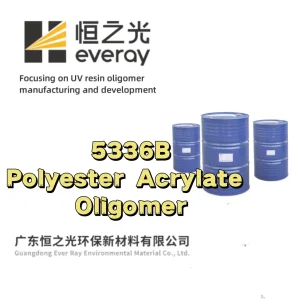
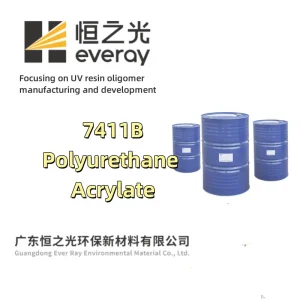
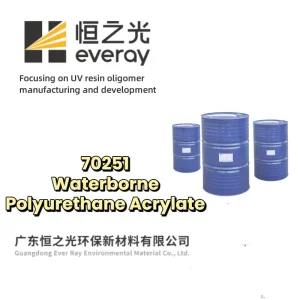
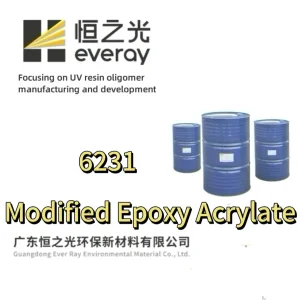
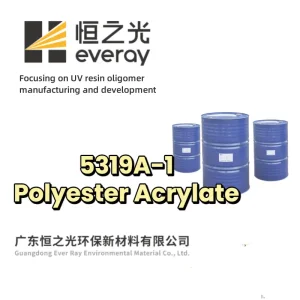
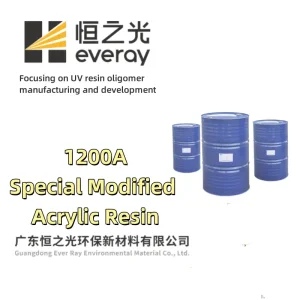
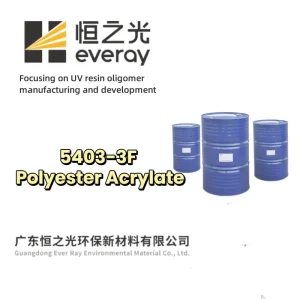
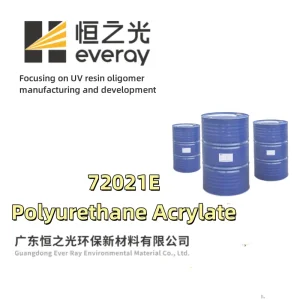
Frequently Asked Questions on Polyurethane Floor Coating Resins
Insights from senior polymer development chemists addressing substrate mechanics, curing kinetics, rheology control, and field application troubleshooting.
Why is polyurethane preferred over epoxy for heavy-duty topcoats?
While epoxy primers provide exceptional adhesion to prepared concrete (due to high surface polarity and low shrinkage), epoxy topcoats chalk rapidly when exposed to ambient light and become brittle under dynamic shock. Polyurethane acrylates possess soft polyol segments that confer exceptional rebound resilience, scratch recovery, and Taber abrasion resistance that outlasts epoxies by a factor of 3 to 1.
How do you counter oxygen inhibition during thin-film UV floor curing?
Atmospheric oxygen quenches free radicals at the coating surface, resulting in a tacky, incompletely cured finish. In our UV floor coating formulations, we synthesize amino acrylates and integrate reactive amine synergists. These amine backbones donate hydrogen to scavenge peroxy radicals, accelerating surface cure speeds even under standard ambient air conditions.
Can your waterborne PUA resins achieve the same wear resistance as solvent-borne?
Yes. Our waterborne polyurethane dispersions (such as 70601 and 70251) utilize high-molecular-weight aliphatic prepolymers stabilized via internal ionic carboxylate groups. Once water evaporates, the secondary radiation-induced crosslinking step drives functional density to levels matching 100% solid industrial urethane systems, producing zero VOC emission during field application.
What is the recommended surface preparation prior to applying PUA primers?
Concrete must be mechanical shot-blasted or diamond ground to achieve an International Concrete Repair Institute (ICRI) Concrete Surface Profile (CSP) of 3 to 4. Moisture vapor emission must be verified below 3 lbs/1000 ft²/24 hr (ASTM F1869) or under 80% in-situ relative humidity (ASTM F2170) before primer roller application.
What is the standard export lead time for IBC and bulk drum orders?
Standard catalog resins maintain continuous strategic safety inventory at our Yunfu automated warehouse, dispatching to Guangzhou or Shenzhen ports within 48 to 72 hours of purchase order validation. Custom polymer syntheses (adjusting molecular weight, branching, or reactive diluent mix) require an average cycle of 10 to 14 days from lab sign-off to full-batch delivery.
How do polyurethane floors resist thermal shock during steam sanitization?
Thermal delamination occurs when the coefficient of thermal expansion (CTE) of a coating sharply diverges from the underlying concrete (~10-12 x 10^-6 /°C). Polyurethane resin formulations with engineered crosslink spacing retain flexibility under rapid thermal spikes up to 120°C, absorbing expansion stress without blister formation or shear failure.
The Decarbonization Roadmap of Industrial Floor Coatings
The global commercial construction industry is transitioning toward strict carbon accounting. As embodied carbon in structural materials comes under strict scrutiny, surface protection formulations must adapt to lower environmental footprints without sacrificing a fraction of their industrial durability.
Bio-Based Polyol Integration
Ever Ray is advancing green chemistry by replacing petro-derived polyols with certified renewable, plant-derived monomer intermediates (derived from dimer fatty acids and castor oil matrices). These bio-based polyurethane oligomers deliver equivalent or superior chemical barrier resistance while substantially reducing the cradle-to-gate carbon footprint of industrial flooring.
Site-Applied UV LED Mobile Curing
High-intensity mobile UV curing rigs operating at 395nm LED wavelengths are revolutionizing field flooring installations. By synthesizing polyurethane acrylates specifically tuned to long-wavelength LED absorption profiles, commercial formulators eliminate toxic mercury vapor lamps and cure thousands of square meters instantly without odor or heat distortion.
Hyperbranched Anti-Scratch Chemistry
Our specialized hyperbranched acrylate oligomers offer multi-functional dendritic architectures. Their compact spherical structure produces remarkably low solution viscosity without requiring excessive volatile reactive diluents, creating self-leveling floor coats with exceptional crosslink density and lifelong resistance to heavy forklift shear.
