Core UV-Curable Resins & Performance Oligomers
Browse high-reactivity bisphenol epoxy acrylates, aliphatic/aromatic polyurethane acrylate solutions, and modified specialty systems designed for rapid photon conversions and stringent industrial parameters.
Wholesale High Gloss Fast Curing Modified Epoxy Acrylate Resin (UV Oligomer)
Explore Details
High-Quality A Revolutionary Choice Empowering High-End UV Applications: PUA 7291B
Explore Details
High-Quality 70250 UV-Resin for 3D Printing, UV-Ink, and Wood-Coatings
Explore Details
Aromatic Polyurethane Acrylate Oligomer – High-Adhesion Acrylic Resin for UV Vacuum Metallizing
Explore Details
Bisphenol A Epoxy Acrylate Resin 9104: A Core Resin for High-Performance UV Coatings
Explore Details
Polyester Acrylate 5332F – The Premium Choice for High Performance Offset Inks
Explore Details
A Versatile Solution for High-Efficiency Curing Applications: Epoxy Acrylate 92001
Explore Details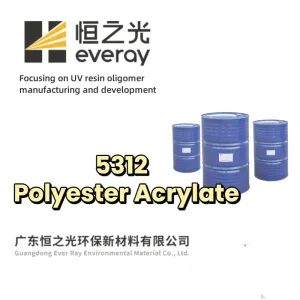
Polyester Acrylate 5312 – A High-Efficiency, Multi-Purpose UV Resin Solution
Explore DetailsIndustry Evolution: The Shift to Radiation-Cured Polyurethane Coatings
Modern surface engineering faces intersecting demands: stringent VOC environmental limits, decarbonization pressures, and elevated expectations for physical durability. Radical photopolymerization of polyurethane acrylates (PUA) provides the definitive solution.
Low VOC & Net-Zero Mandates
Global chemical regulatory frameworks like EU REACH, US EPA NESHAP, and China GB standards mandate reductions in hazardous air pollutants (HAP). High-solids and 100% reactive solids UV polyurethane chemistries eliminate thermal evaporative emissions while slashing drying cycle carbon footprints by up to 65%.
High-Throughput Photopolymerization
Unlike solvent-borne thermoset polyurethanes requiring thermal drying tunnels, radiation curing induces ultra-fast gelation within milliseconds. This rapid transition minimizes work-in-progress (WIP) inventories and facilitates line velocities exceeding 100 meters per minute in commercial roll and spray configurations.
Molecular Backbone Engineering
By balancing hard urethane segments (providing tensile modulus, solvent resilience, and thermal stability) with flexible aliphatic/polyether soft segments, formulators can dial in exact elongation thresholds without compromising scratch and impact resistance.
Global Procurement Criteria: Evaluating Coating Suppliers
Enterprise buyers must evaluate UV polyurethane coating suppliers based on verifiable parameters across monomer conversion rates, rheological stability, and supply chain consistency.
| Evaluation Parameter | Industry Standard Baseline | Tier-1 Advanced Supplier Target | Impact on Manufacturing & Application |
|---|---|---|---|
| Batch Viscosity Tolerance | ± 15% mPa.s variation | ≤ ± 5% mPa.s | Guarantees uniform wet-film build in high-speed automated roll and curtain coaters without requiring solvent thinning adjustments. |
| Yellowing Index (ΔYI) | ΔYI > 2.5 (500h QUV-A) | ΔYI < 0.8 (1000h QUV-A) | Crucial for optical clears, 3C white/metallic plastics, and architectural wood finishes exposed to continuous solar degradation. |
| Volume Polymerization Shrinkage | 7% – 11% volume loss | < 3.5% controlled | Prevents internal curling stress, substrate warping on thin films, and adhesion loss on non-polar plastics (PP/ABS/PC). |
| Unreacted Monomer Leaching | < 1000 ppm extractables | < 50 ppm migration | Mandatory for food contact paper varnishes, sustainable cosmetic packaging, and high-frequency tactile consumer electronics. |
| Glass Transition Temp (Tg) | Single fixed baseline (-10°C to 65°C) | Dual-Phase morphology design | Provides simultaneous surface hardness (mar resistance) and bulk core flexibility (impact energy dissipation). |
Integrated Solutions Across Critical Industrial Sectors
Tailored chemical matrices designed to address unique mechanical, thermal, and chemical stress profiles across key manufacturing verticals.
3C Consumer Electronics & Vacuum Metallizing
Modern smartphones, laptops, and wearables require coatings that withstand synthetic sweat, makeup solvents, and repetitive abrasion. Our aromatic and aliphatic PUA oligomers offer exceptional crosslink density, promoting interlayer adhesion on metal vapor deposition layers while resisting micro-cracking.
Architectural Wood, Flooring & Cabinetry
High-speed roller coating operations demand rapid-curing, low-odor sealers that seal porous timber fibers without grain-raising. Combining high-build epoxy acrylates with flexible polyurethane acrylates ensures high sandability, Taber abrasion resistance, and stain protection against coffee, red wine, and household chemicals.
Additive Manufacturing & 3D Photopolymers
High-precision stereolithography (SLA) and Digital Light Processing (DLP) require low-viscosity, high-conversion photopolymer resins. Our specialized urethane acrylates provide functional isotropic strength, thermal distortion resistance, and impact toughness comparable to injection-molded ABS and engineering polycarbonates.
Regulatory Compliance, Chemical Safety & Supply Chain Resilience
Supplying multinational coating formulators requires full transparency across chemical registries, certified production facilities, and reliable supply chain security.
REACH & TSCA Compliance
All raw materials and synthesized oligomers comply with EU REACH registration mandates, US TSCA inventory validation, and RoHS directives. We provide complete third-party SDS (GHS Rev.8 format) and technical dossiers ensuring cross-border compliance for export operations.
Batch-to-Batch Quality Assurance
Our ISO 9001-certified Yunfu production base utilizes DCS automated reaction vessels, online infrared spectroscopy (FTIR), and gel permeation chromatography (GPC). This guarantees tight control over polymer weight distribution, residual acid values, and reactive double-bond conversion.
Local Stocking & Global Logistics
With dedicated bulk storage facilities, specialized nitrogen-blanketed decanting capabilities, and reliable international freight partnerships, we mitigate ocean transport risks, providing stable shipping windows and reliable inventory reserves for overseas distributors.
Technology Roadmap: The Next Decade in Polyurethane Synthesis
Coating technology is advancing toward lower energy requirements, reduced petroleum dependence, and responsive multi-functional properties.
UV-LED Long-Wave Sensitization
Traditional mercury vapor lamps generate significant ozone and heat, limiting their use on heat-sensitive thin-film plastics. Next-generation PUA synthesis incorporates customized photo-sensitizer moieties designed for 365nm, 385nm, and 395nm LED spectrums, achieving tack-free surface curing without nitrogen inerting.
Bio-Derived Precursors & Circularity
Transitioning from petroleum-derived polyols to bio-based alternatives (such as succinic acid polyesters, modified castor oil derivatives, and dimer fatty acids) allows us to achieve over 40% renewable carbon content in PUA systems without compromising Tg or hardness properties.
Dual-Cure Hybrid Architectures
To eliminate shadow-zone undercuring on complex 3D injection-molded geometries, dual-cure polyurethane systems combine instantaneous UV radical photopolymerization with secondary moisture-cure or thermal isocyanate crosslinking, delivering comprehensive substrate bonding.
Frequently Asked Technical Questions (FAQ)
Direct technical guidance from our synthetic chemistry laboratory, assisting formulators with application troubleshooting and oligomer selection.
Advanced Functional Oligomers, Resins & Monomers
Browse our extended portfolio of low-viscosity, anti-yellowing, high-elasticity, and adhesive-grade acrylate resins designed for versatile formulation across printing, packaging, and industrial coatings.
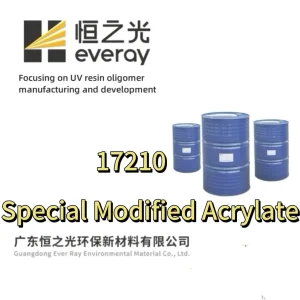
High Solid Low Viscosity Modified Acrylate Oligomer - High Elasticity UV Curable Resin
Explore Details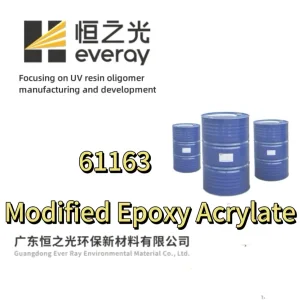
61163 High Solid Low Viscosity Anti-Yellowing Modified Epoxy Acrylate Resin
Explore Details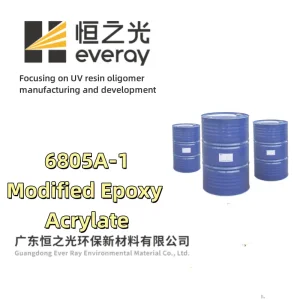
6805A-1 UV-Resin Designed for High-Resolution UV Offset Printing Systems
Explore Details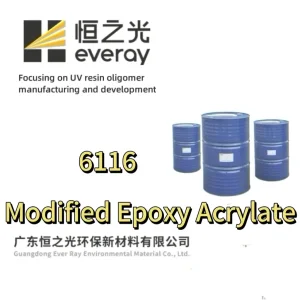
High-Quality 6116 Low Viscosity UV Curing Epoxy Oligomer for Matte Wood & Ink Coatings
Explore Details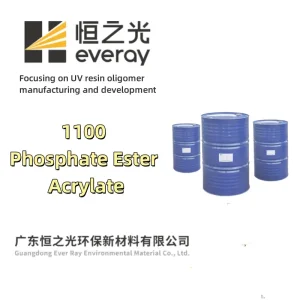
Strong Adhesion Acrylate Oligomer 1100UV Resin, Suitable for UV Coatings & Inks
Explore Details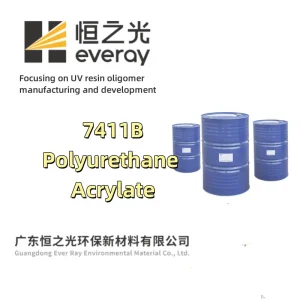
7411B UV Resin: Ideal Low Viscosity, High Solids Solution for Matte UV Applications
Explore Details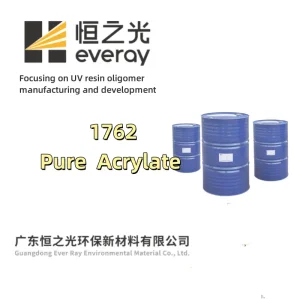
1762 UV Resin Adhesive: Durable & Anti-Yellowing with High Bonding Strength
Explore Details