
High-Performance UV & Reactive Bonding Solutions
Explore our specialized portfolio of polyurethane acrylates, epoxy modified networks, and high-tenacity bonding resins tailored for rapid curing cycles, dynamic peel resilience, and zero substrate failure.
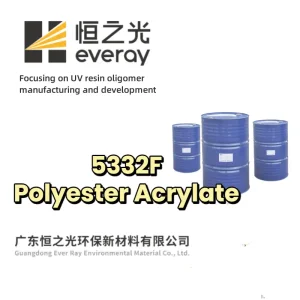
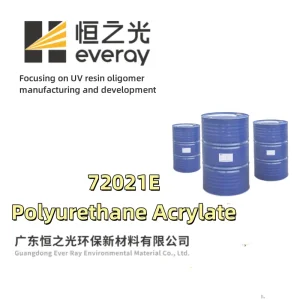
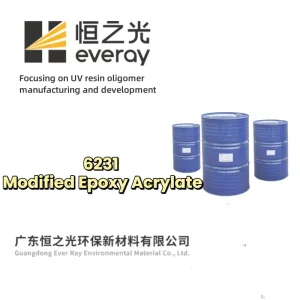
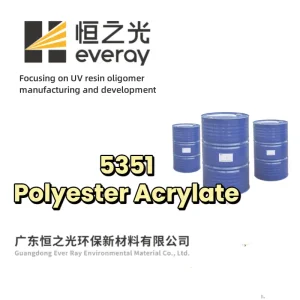
Global Polyurethane Adhesive Trends: Next-Gen Polymer Architecture
From legacy solvent-borne systems to high-performance reactive hot melts (PUR), moisture-cure urethanes, and UV-curable polyurethane acrylates (PUA), molecular engineering is redefining structural joint integrity across harsh operational environments.
Bio-Based Polyols & Decarbonization
The global adhesive market is aggressively shifting away from petroleum-derived glycols toward bio-succinic acid, dimer fatty acids, and vegetable-derived polyols. This structural green transition delivers over 40% biogenic carbon content without compromising glass transition temperatures (Tg) or hydrolytic resilience.
By optimizing chain extenders and polyol phase segregation, modern eco-formulations maintain high tensile cohesion and thermal stability equivalent to petrochemical-based precursors.
Dual-Cure Kinetics & High-Speed Takt Times
Modern automated assembly demands zero latency. Dual-cure polyurethane adhesive systems integrate radical-initiated UV-photopolymerization for instant green strength (sub-3 seconds) with secondary moisture-curing or thermal crosslinking to eliminate shadow zones.
This dual-phase curing pathway enables automotive and electronics Tier 1 suppliers to accelerate throughput while ensuring molecular covalent cross-linking across opaque multi-material substrates.
Ultra-Low Monomeric Diisocyanates (<0.1%)
Under tightening global regulatory scrutiny such as EU REACH restrictions, polyurethane adhesive synthesizers are migrating to prepolymers with free monomeric MDI/TDI concentrations under 0.1% wt. By using vacuum thin-film distillation, occupational safety risks are mitigated without sacrificing crosslink density or peel strength.
Additionally, research into Non-Isocyanate Polyurethanes (NIPU) synthesized via cyclic carbonates and diamines represents the long-term frontier for non-toxic industrial structural bonding.
Enterprise Procurement Criteria: Substrate Compatibility & Compliance
Procuring industrial polyurethane adhesives requires balancing mechanical compliance, processability, rheological stability, and international chemical certifications. Tier-1 buyers evaluate products using rigorous empirical qualification frameworks.
Rheological Window & Automated Dispensing
Modern micro-dispensing and robotic bead extrusion require exact rheological control. Enterprise formulation demands thixotropic index (TI) controls between 3.5 and 6.0 to avoid stringing while delivering smooth slump resistance on vertical automotive chassis or smartphone bezels.
Viscosity must stay consistent batch-to-batch (delta ±5%) under varied shear rates (D = 1 s⁻¹ to 1000 s⁻¹) to prevent automated needle clogging and line stoppage.
Dissimilar Substrate Bond Energy
High-reliability applications demand aggressive bonding across heterogeneous substrates: carbon fiber reinforced polymer (CFRP), cold-rolled steel, anodized aluminum, polyamide (PA66-GF), and low-surface-energy polyolefins (PP/TPO).
Polyurethane adhesives utilize tailored isocyanate prepolymers enriched with silane adhesion promoters to form interpenetrating polymer networks (IPN), achieving cohesive failure modes rather than adhesive interfacial detachment under cyclic load testing.
Environmental & Thermal Cycling Rigor
Global qualification hinges on harsh durability validation: 1,000-hour 85°C/85% RH damp-heat aging, thermal shock cycling (-40°C to +125°C), and 500-hour neutral salt spray (ASTM B117).
Procurement directors verify compliance with RoHS 2.0, REACH SVHC, halogen-free (IEC 61249-2-21), and UL 94 V-0 flame retardancy to guarantee international field reliability across aerospace, marine, and electronic systems.
China Industry 4.0: Scaled Synthesis & Supply Chain Resilience
Combining upstream raw-chemical integration with DCS-controlled automation, advanced polymer plants across Guangdong deliver global supply security, uncompromising batch consistency, and significant cost advantages.
Closed-Loop Distributed Control Systems (DCS)
Precision polymerization requires tight regulation of exothermic reactions. Our digitalized production plants deploy full-loop DCS automation across high-capacity stainless reactors (5,000L to 30,000L capacity).
Automated dosing of polyols, diisocyanates, catalysts (organotin or eco-bismuth/zinc octoates), and free radical stabilizers ensures NCO content is maintained within a razor-thin ±0.2% tolerance window, eliminating batch-to-batch curing variances.
Upstream Chemical Cluster Synergies
Situated in southern China's chemical manufacturing hub, our logistics ecosystem accesses basic feedstocks (MDI, HDI, IPDI, PPG, PTMG, and acrylic acid) directly via integrated pipeline networks and port terminals.
This localized supply chain protects our international partners from global shipping volatility, shortens lead times to 7-14 business days, and buffers raw-material pricing shocks through volume integration.
Rigorous Analytical QC & Export Infrastructure
Every industrial production batch passes rigorous QA testing: Gel Permeation Chromatography (GPC) for molecular weight distribution (Mw/Mn), FTIR fingerprint analysis, Brookfield cone-plate rheology, and Karl Fischer trace moisture titration (<200 ppm).
All export products are packed under inert nitrogen blankets inside ISO tanks, IBC totes, or vacuum-sealed 200L drums, ensuring long-term shelf stability during maritime transit across Europe, the Americas, and Southeast Asia.
Mission-Critical End-Use Scenarios & Substrate Solutions
Polyurethane adhesives deliver essential performance across key modern industries. From electric vehicle crash resistance to micro-optical bonding in smartphones, see how customized formulations solve engineering challenges.
Automotive & EV Battery Systems
Structural 2K polyurethane adhesives are essential for EV battery pack assembly (Cell-to-Pack CTP and Cell-to-Chassis CTC designs). They combine high lap shear strength (>18 MPa) with impact energy absorption, structural vibration dampening, and dielectric breakdown resistance (>25 kV/mm).
They bond lightweight aluminum frames to composite top covers while providing continuous thermal conductivity paths for thermal runaway mitigation.
3C Electronics & Wearable Display Assembly
Precision micro-electronic devices demand reactive polyurethane hot melts (PUR) and UV-cure hybrid polyurethane adhesives for camera lens fixing, OLED bezel bonding, acoustic mesh sealing, and wearable waterproofing (IP68 rating).
These grades feature low curing shrinkage (<1.2%), minimal outbound degassing, and dynamic drop-shock resistance during cyclic mechanical drops.
Renewable Energy & Continuous Industrial Lamination
In high-speed flexible packaging and solar backsheet manufacturing, aliphatic polyurethane solventless adhesives offer optical clarity, anti-yellowing performance under extended UV radiation, and high peel strength against chemically treated PET and aluminum foils.
In wind turbine blade construction, 2K polyurethane shear-web adhesives deliver fatigue resistance over millions of oscillation cycles.
| Polymer Chemistry Family | Primary Curing Mechanism | Viscosity Window (25°C) | Tensile / Shear (MPa) | Elongation at Break | Key Substrate Suitability |
|---|---|---|---|---|---|
| Aliphatic Polyurethane Acrylate (PUA) | UV Free-Radical / Electron Beam | 8,000 – 45,000 mPa·s | 22 – 38 MPa | 35% – 180% | Optical Glass, PMMA, PC, Treated PET |
| Aromatic 2K Polyurethane Structural | NCO / OH Polyaddition | Paste / Thixotropic Gel | 18 – 32 MPa | 40% – 120% | E-coated Steel, Cast Aluminum, SMC/CFRP |
| Reactive Polyurethane Hot Melt (PUR) | Solid Melt + Moisture Post-Cure | 3,000 – 12,000 mPa·s (120°C) | 12 – 24 MPa | 150% – 450% | Anodized Al, Polycarbonate, Ceramic, ABS |
| Waterborne Polyurethane Dispersion (PUD) | Physical Evaporation + Crosslinking | 50 – 600 mPa·s | 15 – 30 MPa | 250% – 600% | Automotive Leather, Technical Textiles, PVC Foam |
| Modified Epoxy-Acrylate Hybrid | Dual UV / Moisture Free-Radical | 12,000 – 70,000 mPa·s | 28 – 45 MPa | 10% – 45% | Vacuum Metallized Plastics, Glass, Primed Metal |
Specialized Formulations: Coatings, Vacuum Plating & Multi-Substrate Bonding
Explore our second tier of precision-developed oligomer formulas, engineered for surface hardness, flexible lamination, low volatile emissions, and durable electroplating adhesion.
Frequently Asked Questions: Polyurethane Adhesive Specifications
Detailed technical responses to common questions from formulation chemists, quality directors, and global supply chain executives.
What are the fundamental differences between Aliphatic and Aromatic Polyurethane Adhesives?
The primary differentiation lies in the isocyanate precursor structure. Aliphatic Polyurethane Adhesives are synthesized using non-aromatic diisocyanates (such as HDI or IPDI). They feature exceptional UV photon stability, resistance to oxidation, and non-yellowing characteristics, making them mandatory for optical displays, architectural glass bonding, clear automotive headlights, and outdoor laminates.
Conversely, Aromatic Polyurethane Adhesives (based on MDI or TDI) exhibit benzene-ring resonance that degrades when exposed to UV light, causing yellowing and surface chalking over time. However, aromatic backbones provide higher modulus, faster curing speed, superior chemical solvent resistance, and a cost-effective price-performance ratio, making them the standard choice for EV battery enclosures, structural wood laminates, and sub-surface industrial assembly.
How does isocyanate prepolymer indexing (NCO/OH ratio) affect final mechanical performance?
The NCO/OH index directly controls the stoichiometric ratio of reactive isocyanate groups to hydroxyl polyol groups:
- High Index (>1.05 up to 1.25): Introduces an excess of reactive isocyanates that form rigid allophanate and biuret branch-points via moisture reaction. This yields elevated lap shear strength, increased glass transition temperature (Tg), and enhanced chemical resistance, but reduces elongation at break and flexibility under cold shock.
- Balanced / Low Index (0.95 to 1.02): Yields longer, linear polymer chains with high polyurethane segment flexibility, superior peel adhesion, dampening properties, and resistance to dynamic impact fractures.
Can UV-curable polyurethane adhesives adhere directly to untreated low-surface-energy plastics like PP and PE?
Untreated polyolefins (PP, PE, TPO) feature low critical surface tension (<31 mN/m) and lack functional polarity, making adhesive wetting and mechanical anchoring challenging. Untreated bonding can be achieved through specific modified formulations:
Our specialized formulations incorporate chlorinated polyolefin (CPO) modified polyurethane acrylates or functional phosphate/carboxyl ester monomers. These additive structures lower liquid surface tension below 28 mN/m, enabling wet-out and forming an interpenetrating polymer network (IPN) that bonds effectively to untreated polypropylene without needing corona, plasma, or chemical primers.
What causes micro-bubbling during moisture-curing 1K polyurethane adhesive application, and how is it prevented?
Micro-bubbling occurs when excess isocyanate reacts with atmospheric moisture, generating carbon dioxide: R-NCO + H₂O → R-NH₂ + CO₂↑. In thick bead applications (>3mm) or high-humidity environments (>70% RH), trapped CO₂ cannot diffuse before gelation, creating internal micro-voids that weaken shear strength.
To resolve this, our R&D formulations deploy latent moisture-activated curatives, such as oxazolidines or aldimines. When triggered by moisture, these crosslinkers react with isocyanates without releasing carbon dioxide gas, yielding dense, void-free structural joints.
What lead times, packaging formats, and shelf-life assurances apply to international exports?
Standard export orders are processed and ready for port departure within 7 to 14 business days. Packaging options include:
- 20 kg hermetic metal pails (UV light-shielded).
- 200 kg coated steel drums with dry nitrogen head-space.
- 1,000 kg composite IBC containers or ISO-Tanks for bulk liquid shipments.
Unopened containers carry an assured shelf-life of 6 to 12 months when stored in climate-controlled warehouses between 10°C and 25°C. Every batch ships with an individualized Certificate of Analysis (CoA) referencing specific lot viscosity, NCO%, and GPC molecular weight distribution.
Collaborate with Our Polymer Chemistry Team
Accelerate your development cycle with custom-tailored polyurethane adhesive oligomers, reactive prepolymers, and comprehensive testing data for your exact substrate and curing equipment.
