
High-Performance UV Oligomers & Substrate Resins
Engineered for high cure rates, exceptional hardness, non-yellowing durability, and versatile substrate compatibility across commercial manufacturing lines.
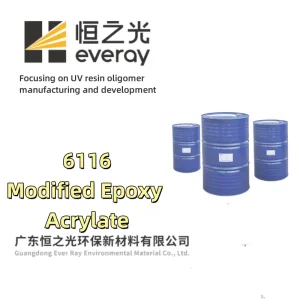
- Universal adhesion promoter
- High chemical resistance
- Rapid UV/LED line curing
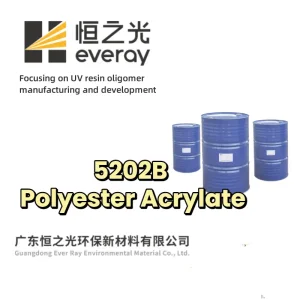
- Superior flexibility & gloss
- Low-viscosity resin matrix
- Anti-abrasion exterior barrier
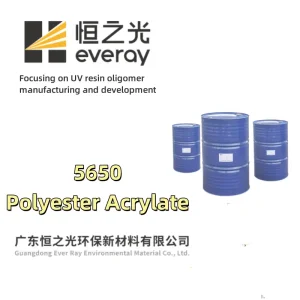
- Ultrafast surface dry time
- Stable pigment wetting
- Resists yellowing over time
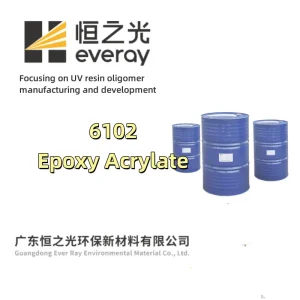
- Minimizes curing warping
- High pencil hardness (3H+)
- Optimized for roller lines
- 172nm excimer matting response
- Premium velvety touch effect
- High anti-fingerprint grade
- VOC compliant & low migration
- Extreme high line cure velocity
- Pristine optical clarity
- Flawless intercoat adhesion
- Thermal cycling resilience
- High mirror reflection depth
- Stable controlled shrinkage
- Striking tactile relief formation
- Luxury tobacco & spirit packaging
The Paradigm Shift: From Crafting Novelty to Precision Manufacturing
Analyzing the macromolecular transition from hobbyist casting formulations to high-purity, low-shrinkage industrial UV oligomers used across precision microelectronics and optics.
Photo-Initiation Spectral Calibration
Traditional Jdiction-type consumer resins relied heavily on broad-spectrum mercury lamps emitting in deep UV (254nm - 313nm). Modern factories now synthesize resins optimized for narrow-band UV-LEDs (365nm, 385nm, 395nm, and 405nm), eliminating excessive thermal stress and achieving complete deep-layer photon saturation in seconds.
Curing Velocity: < 3.2 Seconds at 395nmFree-Radical vs. Cationic Hybrid Kinetics
Pure acrylic free-radical systems suffer from severe oxygen inhibition at the air interface, leaving a tacky residual layer. Contemporary industrial formulations deploy dual-hybrid chemistry: combining pure acrylic monomers for instantaneous structural setting with cycloaliphatic epoxy rings that cure via cationic mechanisms, impervious to atmospheric oxygen.
Double-Bond Conversion: > 94.6% FTIRAliphatic Backbones & Zero Yellowing
Hobby-grade UV resins notoriously yellow within months due to unreacted aromatic rings degrading under solar irradiation. Premium Chinese manufacturers incorporate hydrogenated bisphenol-A and aliphatic hexamethylene diisocyanate (HDI) trimers, guaranteeing optical crystal clarity with Delta E color shift under 0.8 across 2,000 hours of accelerated QUV testing.
Delta E Stability: < 0.8 (ASTM G154)Why Chinese UV Resin Factories Lead the Global Market
The convergence of primary petrochemical feedstocks, automated reactor engineering, and specialized industrial clusters provides an unassailable advantage in batch uniformity, cost structure, and bespoke molecular tailoring.
Upstream Chemical Integration
China's Guangdong and Jiangsu chemical clusters house the world's most concentrated refining infrastructure for fundamental acrylic acid, glycidyl methacrylate (GMA), and aliphatic diisocyanates. Because Chinese synthesis facilities procure basic monomers via pipeline networks without international freight premiums, base raw material costs remain 22% to 35% below North American and European equivalents.
Advanced DCS Reactor Automation
Modern synthesis bases utilize Distributed Control System (DCS) reactors equipped with precision heating mantles, in-line infrared spectroscopy, and high-shear dispersion turbines. This closed-loop automated loop strictly manages the highly exothermic free-radical polymerization during esterification, eliminating gelation risks and ensuring every drum exhibits identical oligomer molecular weight distribution (Mw/Mn).
Environmental & Regulatory Modernization
Top-tier Chinese UV resin plants operate under strict national green chemistry mandates (VOC-free initiatives). Production complexes incorporate catalytic thermal oxidizers, volatile reclamation scrubbers, and vacuum distillation recovery that eliminate air pollution. All export polymers hold comprehensive documentation including EU REACH registration, RoHS certifications, and GHS-compliant Safety Data Sheets.
Technical Specification & Selection Matrix
Comparative physical and kinetic properties of core acrylate families manufactured for industrial, consumer, and electronic applications.
| Oligomer Chemistry Type | Viscosity (mPa.s @ 25°C) | Shore Hardness | Volumetric Shrinkage | Tg (°C) | Tensile Strength | Core Application Target |
|---|---|---|---|---|---|---|
| Bisphenol-A Epoxy Acrylate | 15,000 – 45,000 | 85D – 92D | 5.2% – 6.8% | 65 – 85 | 42 – 55 MPa | Wood sealers, overprint varnishes, high-gloss inks |
| Aliphatic Polyurethane Acrylate | 3,500 – 18,000 | 60D – 75D | 1.8% – 3.2% | 25 – 45 | 28 – 38 MPa | 3C electronics, clear exterior topcoats, nail gel builder |
| Aromatic Polyurethane Acrylate | 8,000 – 25,000 | 78D – 88D | 3.5% – 4.5% | 40 – 60 | 35 – 48 MPa | Industrial flooring, parquet finishes, pigmented plastic parts |
| Polyester Acrylate (Chlorinated/Amine) | 800 – 4,500 | 70D – 82D | 3.8% – 5.0% | 30 – 50 | 22 – 32 MPa | Lithographic offset inks, screen printing, barrier varnishes |
| Pure Acrylate (Special Functional) | 1,200 – 6,000 | 45D – 65D | < 1.5% | -10 – 20 | 12 – 22 MPa | Optical adhesives, pressure-sensitive labels, glass bonding |
| Hyperbranched Dendritic Acrylate | 2,000 – 8,000 | 90D – 95D | 3.0% – 4.2% | 110 – 140 | 60 – 78 MPa | Excimer anti-scratch coatings, nano-imprint lithography |
High-Impact Industrial Application Scenarios
Examining how high-performance UV curable resins solve distinct engineering challenges across key manufacturing sectors.
Consumer Electronics & Mobile Device Enclosures
Smartphones, wearable fitness bands, and laptop housings face relentless mechanical friction, skin oil exposure, and drop impacts. High-functionality aliphatic urethane acrylates deliver high pencil hardness (4H) alongside micro-crack dissipation, maintaining optical clarity over clear polycarbonate (PC) and ABS substrates.
Precision SLA / DLP / LCD 3D Printing Resins
Additive manufacturing requires photopolymers exhibiting low initial viscosity (<350 mPa.s) for rapid liquid recoating, combined with low volumetric shrinkage to eliminate part curling. Formulations employ ethoxylated acrylate monomers that crosslink under 405nm light with sub-25 micron resolution.
UV Vacuum Electroplating for Luxury Packaging
Cosmetic caps, perfume closures, and automotive reflectors achieve a mirror-like chrome appearance via aluminum physical vapor deposition (PVD). The UV basecoat must level out all substrate micro-imperfections, degas thoroughly without outgassing under deep vacuum, and bond directly to the sputtered aluminum layer.
Overcoming Critical Formulating Obstacles
How cutting-edge chemical synthesis addresses the intrinsic limitations of UV photopolymer chemistry in continuous industrial workflows.
1. Mitigating Atmospheric Oxygen Inhibition
When acrylic radicals form under photon absorption, atmospheric triplet oxygen swiftly intercepts them, producing unreactive peroxy radicals and yielding a greasy, under-cured boundary. Ever Ray factories mitigate this phenomenon by incorporating copolymerizable amine synergists (amino acrylates). These tertiary amines transfer hydrogen atoms, regenerating active carbon radicals and scavenging oxygen molecules within milliseconds.
2. Stress Relaxation & Warpage Prevention
As carbon-carbon double bonds polymerize into single bonds, atomic clearance drops from Van der Waals distances (3.4 Å) to covalent bond distances (1.54 Å), causing significant volumetric shrinkage. In thick coatings or large casting parts, this results in extreme internal stress and substrate warping. By synthesizing multi-branched oligomers with internal ether flexing units, factories lower volume reduction to below 1.5%.
3. Exothermic Dissipation in Thick Pours
Rapid curing of massive polymer sections (such as large art castings or composite encapsulations) generates extreme exothermic heat (>160°C), resulting in bubbling, resin discoloration, and cracked molds. Specialized low-reactivity polyurethane acrylates moderate reaction kinetics, allowing heat to dissipate uniformly across prolonged curing schedules without compromising final crosslink density.
Advanced Acrylate Grades & Functional Polymers
Targeted solutions for adhesive laminations, thick-film coatings, high-wear industrial finishes, and metal surface passivations.
- Minimal cure exotherm spike
- Skin contact safe & flexible
- High adhesion over plastics
- Extreme pencil hardness (4H)
- Industrial chemical resistance
- Fast line cure responsiveness
- High gloss transparency
- Suppressed shrinkage stress
- Superior roller transferability
- Exceptionally low viscosity
- Zero solvent dilution needed
- Cost-effective packaging speed
- Low yellowing outdoor grade
- High peel & shear tack
- Resists thermal shear creep
- Acid & alkaline corrosion proof
- High impact toughness
- Direct bonding to composites
- Excellent tinplate adhesion
- High deep-draw flexibility
- Boiling water immersion proof
- Ultrafast polymerization rate
- Balanced toughness & flex
- Tack-free surface finish
Global B2B Supply Chain & Quality Control Systems
The standard operating procedures, analytical testing methodologies, and international logistic standards adhered to for cross-border chemical procurement.
Rigorous Analytical QC Protocols
Every industrial production batch undergoes automated sampling and testing. Key parameters include Gel Permeation Chromatography (GPC) to verify target molecular weight distribution, Fourier Transform Infrared Spectroscopy (FTIR) for double-bond reactivity confirmation, Karl Fischer titration for water content (<0.1%), and Cone-and-Plate rotational rheometry to guarantee consistent viscosity profiles across delivery lots.
OEM / ODM Custom Synthesis Capabilities
Chinese direct manufacturing facilities support complete private labeling and formula modification programs. Formulators can specify precise photo-initiator packages (TPO, BAPO, 1173), request low-odor cosmetic modifications for retail craft/nail product lines, or request customized dilution ratios using specific monomers (TMPTA, HDDA, TPGDA, or IBOA) tailored to specialized application lines.
Dangerous Goods & Global Logistics
Exporting UV resins requires deep expertise in international maritime chemical transport. Our facilities offer UN-certified steel drums (200kg), intermediate bulk containers (1000kg IBC totes), and light-blocking HDPE containers (20kg / 25kg). Formulations are verified non-regulated or classified under IMO Class 9 where required, accompanied by current bilingual SDS documents, COAs, and marine insurance.
Frequently Asked Questions on UV Resin Manufacturing
Expert chemical and logistical answers addressing common formulation, application, and sourcing questions.
Consumer craft resins are typically pre-blended, uninhibited low-viscosity mixtures containing a high proportion of basic monofunctional diluents (like IBOA or HEA) combined with standard aromatic epoxy acrylates and general photoinitiators. They prioritize fast cure under low-wattage hand lamps. Industrial oligomers produced by our factories are pure, uncompounded or precisely formulated resin bases (aliphatic polyurethanes, hyperbranched polyesters) tailored for specific mechanical properties: controlled glass transition temperatures (Tg), low shrinkage (<1.5%), tailored chemical resistance, and compatibility with automated roll-coating, flexo-presses, or industrial SLA machines.
Historically, formulators used volatile liquid amines or paraffin wax barriers to counter oxygen inhibition. Paraffin creates a dull matte film, while free amines generate high odor and severe yellowing. Modern Chinese synthesis facilities chemically bond the amine functionality directly into the polymer skeleton, creating copolymerized "amino acrylate" oligomers. Because the amine is locked inside the molecular matrix upon curing, it cannot migrate, volatize, or off-gas, yielding a tack-free surface with minimal odor and excellent regulatory compliance for consumer goods.
Yes. Our chemical R&D team adjusts the photoinitiator absorption spectrum to match specific LED line configurations, whether standard 395nm-405nm systems or specialized 365nm/385nm high-speed lines. We synthesize custom packages incorporating mono-acylphosphine oxides (TPO), bis-acylphosphine oxides (BAPO), or alpha-hydroxyketones (184/1173) to ensure complete depth cure while avoiding surface wrinkling caused by mismatched energy absorption rates.
When kept sealed in original opaque HDPE drums or lined metal canisters at temperatures between 15°C and 25°C, away from direct solar radiation and localized thermal sources, our UV curable resins feature a validated shelf life of 12 to 24 months. Resins contain micro-stabilizers (phenolic inhibitors such as MEHQ) that continuously scavenge spontaneously formed free radicals in the dark, preserving viscosity stability and reactivity over long transit and warehouse cycles.
