
High-Performance Oligomers & Polyurethane Specialty Grades
Explore commercial polyurethane acrylate, epoxy acrylate, and custom functional UV resins engineered for vacuum plating, structural adhesion, and micro-shrinkage curing.
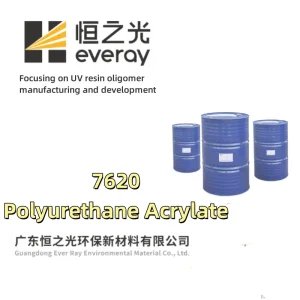
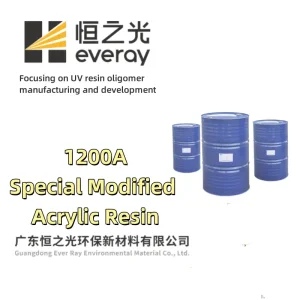
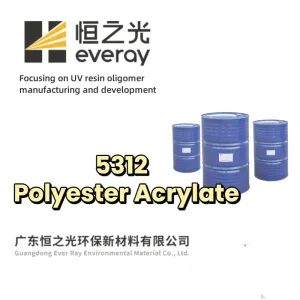
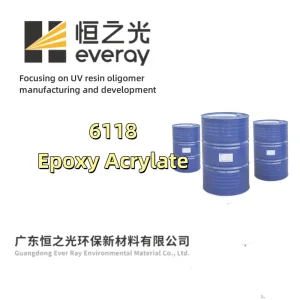
Urethane vs Polyurethane Chemistry: Molecular Architecture & Industrial Classification
A rigorous engineering guide for chemical procurement officers, formulation scientists, and polymer technologists seeking optimized crosslink density and kinetic efficiency.
Aliphatic PUA Oligomers
Synthesized with IPDI or H12MDI backbones, aliphatic urethane acrylates provide superior weatherability, hydrolytic resistance, and zero yellowing under continuous outdoor UV exposure. Crucial for optical display coatings, mobile device shells, and clear automotive laminates requiring high elongation.
Aromatic PUA Systems
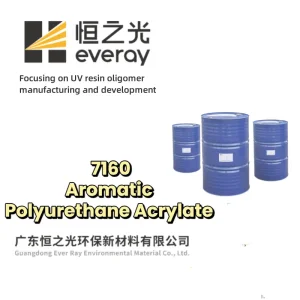
Engineered using TDI or MDI building blocks, aromatic polyurethane acrylates balance exceptional tensile toughness, chemical barrier properties, and cost economics. Ideal for industrial wood coatings, resilient vinyl tile topcoats, and heavy-duty flexographic packaging inks where sunlight discoloration is negligible.
Waterborne PUD Dispersions
Eco-compliant polyurethane dispersions (PUD) eliminate volatile solvents without degrading cured mechanical properties. Yielding low-VOC, ultrathin films with rapid water de-emulsification, PUD grades meet global ESG and RoHS mandates in leather finishing, architectural trim, and flexible synthetic substrates.
China Reactor Infrastructure: Cost Leadership & End-to-End Synthesis
Operating out of advanced chemical industrial parks in Guangdong, our automated batch synthesis pipelines guarantee ultra-consistent oligomer distribution and streamlined bulk export economics.
Integrated Upstream Sourcing
Close proximity to major petrochemical refining clusters ensures continuous access to acrylic acid, diisocyanates, polyols, and specialty glycols, insulating overseas customers from volatile raw-material pricing shocks.
Automated DCS Polymerization
Distributed control system (DCS) reactors precisely monitor exotherm profiles, radical scavenging stages, and NCO conversion endpoints, preventing residual unreacted monomer and maintaining strict batch-to-batch polymer integrity.
Comprehensive QC Validation
Every commercial lot is certified through GPC molecular weight profiling, FTIR spectroscopic fingerprinting, Brookfield thermal viscosity tracking, and acid/hydroxyl titration before export containerization.
Export Packaging & Logistics
Flexible supply options: 200kg steel drums, 1,000kg IBC totes, or ISO bulk containers packaged with nitrogen blanketing and moisture-barrier seals to survive trans-oceanic transit without premature polymerization.
2006
Synthetic Foundation
40,000 m²
Reactor Facility
10+
Continuous Lines
>10
Patented Catalysts
100+
Formulation Chemists
Emerging Trends & Next-Generation Polyurethane Synthesis
Adapting to global legislative restrictions on photoinitiator migration, decarbonization initiatives, and accelerated production speeds in downstream industrial manufacturing.
LED-UV Spectral Matching
Conventional medium-pressure mercury lamps are rapidly being decommissioned in favor of 365nm, 385nm, and 395nm UV-LED units. We engineer hyper-reactive polyurethane acrylates specifically sensitized to long-wavelength LED emitters to overcome surface tackiness caused by oxygen inhibition without adding toxic free amine synergists.
Bio-Based & Circular Monomers
Global multi-nationals require lower Scope 3 greenhouse emissions across raw material portfolios. Our R&D center incorporates succinic acid, soy-derived polyols, and cardanol-modified acrylate backbones to deliver bio-content levels ranging from 25% to 55% without sacrificing pencil hardness or MEK double-rub resistance.
Zero-VOC & Ultra-Low Shrinkage
High crosslink densities traditionally trigger severe internal shrinkage stress (>7%), leading to film delamination from high-performance thermoplastics (PMMA, cyclic olefins, untreated PET). Our advanced hyperbranched and dendritic urethane systems maintain volumetric shrinkage beneath 1.8%, ensuring permanent interface bonding.
Downstream Engineering: Tailored Polyurethane Acrylate Formulations
Direct performance mappings across key global manufacturing industries demanding exacting optical, thermal, and mechanical properties.
3C Electronics & Vacuum Plating
Automated high-gloss primer and topcoat applications for mobile devices, laptops, and wearables. Provides RCA abrasion resistance exceeding 500 cycles, excellent leveling over polycarbonate substrates, and blistering prevention during thermal vacuum metallization.
Automotive Interior & Optical Lenses
Aliphatic polyurethane oligomers resistant to plasticizer migration from sub-layers. Built to survive 1,000 hours of continuous QUV aging, thermal shocks between -40°C and 110°C, and stringent cabin VOC limits established by Tier 1 automotive OEM standards.
Additive Photopolymers (SLA / DLP / LCD)
High-precision SLA/DLP 3D printing resins with balanced flexural modulus and elongation at break. Eliminates brittle micro-fractures in industrial prototyping, snap-fit dental appliances, and elastomeric footwear lattices via precision dual-cure urethane backbones.
Graphic Packaging & Overprint Varnishes
Rapid crosslinking on high-speed web flexo and offset presses. Excellent pigment wetting reduces mill-base viscosity, while reactive amine co-initiators eliminate surface oxygen inhibition on paper, metalized board, and BOPP film at speeds over 300 m/min.
Structural UV Adhesives
Low-viscosity, capillary-wicking adhesive formulations for bonding glass-to-metal, optical displays (LOCA), and microelectronics. Formulated with functional phosphate and silane acrylate end-groups for water-boiling and damp-heat durability.
Wood, Parquet & Resilient SPC Flooring
Industrial roller-applied coatings combining bisphenol epoxy acrylates for fast deep-curing primers with multi-functional polyurethane acrylate topcoats providing Taber abrasion ratings over 4,000 cycles with zero micro-cracking.
Oligomer Performance & Synthesis Selection Framework
Compare the primary chemical families of UV curable oligomers to select the optimal prepolymer architecture for your specific line speed, viscosity window, and environmental exposure requirements.
| Oligomer Class | Backbone Chemistry | Viscosity (25°C, mPa.s) | Tensile Modulus | Non-Yellowing Rating | Key Application Matrix |
|---|---|---|---|---|---|
| Aliphatic PUA | Isophorone Diisocyanate (IPDI) / Polyether | 5,000 – 45,000 | Medium / Elastic | 5 / 5 (Superior) | 3C electronics, exterior topcoats, optical display films, nail gels |
| Aromatic PUA | Toluene Diisocyanate (TDI) / Polyester | 15,000 – 80,000 | High / Tough | 2 / 5 (Moderate) | Heavy-duty wood floorings, industrial primer sealers, litho inks |
| Waterborne PUD | Anionic Aliphatic Dispersion | 50 – 500 | Configurable | 4 / 5 (Excellent) | Eco-compliant wood finishes, low-VOC leather coatings, spray systems |
| Standard Epoxy Acrylate | Bisphenol-A Diglycidyl Ether | 10,000 – 60,000 (at 60°C) | Very High / Rigid | 1 / 5 (Poor) | Paper varnishes, rapid-cure offset inks, wood sanding primers |
| Hyperbranched Acrylate | Dendritic Multifunctional Core | 800 – 3,500 | Extreme Crosslink | 4 / 5 (High) | High-hardness barrier coats, anti-scratch finishes, 3D printing |
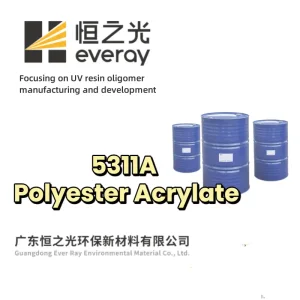
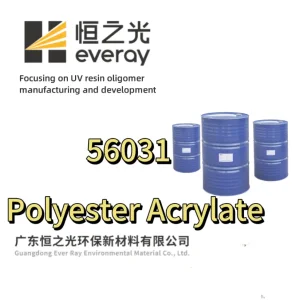
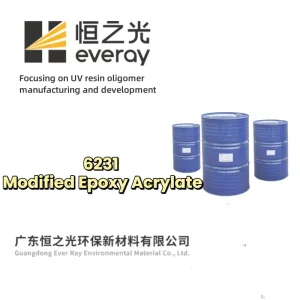
Advanced Monomers, Flexible Oligomers & Special Modified Resins
Engineered for high adhesion to untreated glass, boiling-water resistance, ultra-low viscosity gravure varnishes, and specialty effect inks.
Frequently Asked Questions: Global Procurement & Technical Formulation
Key information regarding international compliance, minimum order quantities (MOQ), custom chemical modifications, and international shipping protocols.
What is the structural difference between urethane acrylates and polyurethane acrylates?
In industrial polymer chemistry, the terms are frequently used interchangeably. However, "urethane acrylate" typically refers to low-molecular-weight oligomers containing localized carbamate [-NH-COO-] ester linkages, whereas "polyurethane acrylate" (PUA) refers to extended segmented prepolymers synthesized from polyols and diisocyanates, providing superior elastomeric elongation, tensile recovery, and phase-separated mechanical toughness.
How does aliphatic polyurethane ensure zero yellowing in outdoor coatings?
Aliphatic polyurethane acrylates are constructed from saturated isocyanate backbones (such as IPDI, HDI, or H12MDI) lacking aromatic benzene rings. Aromatic diisocyanates (TDI/MDI) undergo photochemical photo-Fries rearrangement under solar ultraviolet radiation, creating quinoid chromophore structures that turn yellow. Aliphatic linkages remain chemically inert under identical UV-A and UV-B exposure profiles.
What regulatory documentation is provided for European and North American buyers?
All commercial chemical lots shipped internationally are accompanied by fully compliant GHS-format Safety Data Sheets (SDS), certificates of analysis (COA) specifying verified lot viscosity, acid values, and solid contents, as well as verification of compliance under EU REACH, RoHS 3, and US TSCA regulatory inventories. Specialized low-migration certification for food packaging overprint varnish is also available upon technical request.
Can you adjust viscosity and functionality for proprietary formulators?
Yes. As a primary synthetic synthesis manufacturer, our application lab customizes oligomer functionality (from difunctional flexible resins to nona-functional hyperbranched structures), adjusts molecular weights, or dilutes resins with proprietary reactive monomer packages (TPGDA, TMPTA, DPGDA, IBOA, or HDDA) to achieve targeted kinematic viscosity profiles for spray, curtain, roll, or inkjet printhead delivery systems.
What is the standard sampling protocol, MOQ, and lead time for factory export?
We provide 500g to 1kg laboratory evaluation samples dispatched globally via international air couriers within 48 to 72 hours. Standard production minimum order quantity (MOQ) starts at one pallet (typically 4 x 200kg steel drums = 800kg). Commercial dispatch from our southern China plant to primary container ports (Shenzhen, Guangzhou, Hong Kong) typically requires 7 to 10 working days from purchase order confirmation.
How do you maintain stability during prolonged ocean container transit?
All unsaturated UV acrylate double-bonds are susceptible to premature radical polymerization under prolonged heat. Our synthesis formulations include proprietary, non-staining phenolic and quinone-based radical inhibitors paired with optimal dissolved headspace oxygen levels. Packaged in light-shielded, epoxy-lined steel containers or high-density UV-blocking IBC totes, our resins maintain certified 6-to-12-month shelf stability through tropical shipping lanes.
