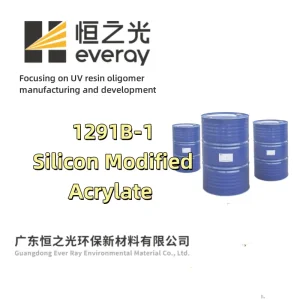
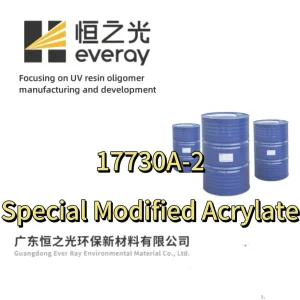
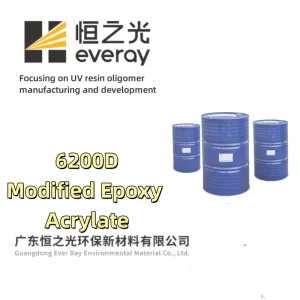
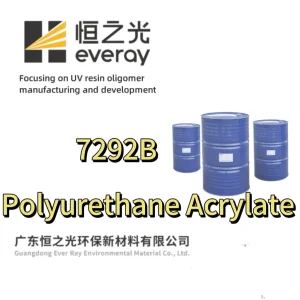
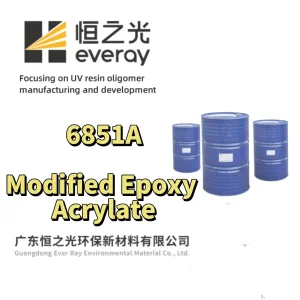
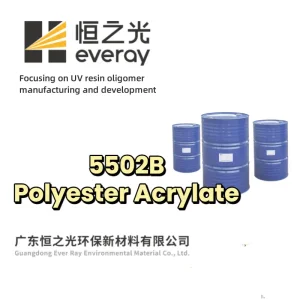
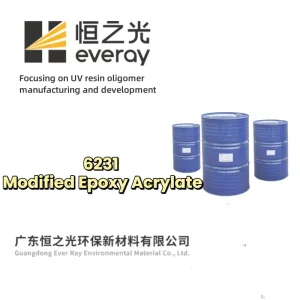
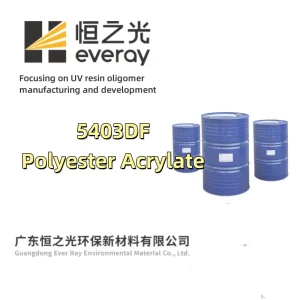
Featured Industrial Acrylate Lineup (Batch I)
Explore high-reactivity modified epoxy acrylates, leveling oligomers, and polyester resins specified for industrial and heavy-duty wear layers.
Tailored Polymer Systems Across Industrial & Commercial Landscapes
From high-impact aerospace logistics centers to cleanrooms and sports complexes, flooring acrylics must be precision-formulated to survive distinct mechanical, chemical, and environmental stressors.
Heavy Commercial & Retail Foot-Traffic
Supermarkets, transport hubs, and convention complexes require resilient wear-layers capable of sustaining continuous micro-abrasions, mechanical scraping, and harsh cleaning reagents. Our aliphatic polyurethane acrylates provide elastomeric recovery combined with anti-yellowing clarity under intense artificial UV and daylight conditions.
Industrial Warehousing & Automated AGV Tracks
Facilities relying on autonomous guided vehicles (AGVs) and heavy counterbalance forklifts experience localized point loads exceeding 80 MPa. We synthesize modified bisphenol-A epoxy acrylates engineered for rapid crosslinking, superior compressive modulus, and absolute delamination resistance over damp concrete substrates.
Pharmaceutical & Semiconductor Cleanrooms
Cleanroom environments demand zero outgassing, static dissipative (ESD) compliance, and smooth, pinhole-free topographies. Our specialized low-viscosity hyperbranched acrylate resins eliminate trapped micro-bubbles while maintaining extreme resistance to isopropyl alcohol, sporicides, and aggressive chemical sterilization cycles.
Sports Arenas & Elastic Multi-Purpose Courts
Athletic surfaces require a nuanced balance of shock absorption and biomechanical traction (ASTM F2772). By co-reacting hyper-flexible aromatic urethane acrylates with active monofunctional reactive diluents, we generate coatings with elongation rates reaching 120% without sacrificing surface slip-resistance.
Architectural Wood & Parquet Finishing
High-speed industrial roller lines for engineered hardwood require sub-second curing cycles. Our dual-cure epoxy/polyester acrylate hybrids provide immediate sanding response, deep grain wetting, and natural warm refractive index performance with zero volatile organic compound (VOC) emissions.
Technical Roadmap: Polymer Kinetics & Future Photopolymer Advancements
A rigorous examination of radical polymerization, steric hindrance mitigation, and UV-LED / excimer lamp curing evolution across modern floor formulations.
The transition from solvent-borne and traditional two-component (2K) polyurethane systems to 100% solids UV-curable and electron-beam (EB) crosslinkable flooring acrylics represents an unprecedented quantum leap in manufacturing efficiency and ecological responsibility. Modern production floors cannot afford 24-to-72-hour curing bottlenecks. Instead, UV-curable flooring acrylates react within fractions of a second upon exposure to calibrated spectral emissions (365 nm to 405 nm), achieving instant vitrification and handling strength.
1. Free-Radical Crosslinking & Tackling Oxygen Inhibition
At the chemical core of flooring acrylics is the free-radical addition polymerization of carbon-carbon double bonds (>C=C<) attached to multi-functional oligomer backbones. However, atmospheric oxygen presents a persistent kinetic hurdle known as oxygen inhibition. Triplet-state oxygen molecules rapidly quench photo-excited initiator singlets and scavenge active alkyl radicals, yielding unreactive peroxy radicals that stall polymerization at the outermost 5-to-15 micron interface. This phenomenon historically caused tacky, easily scratched surfaces.
Ever Ray overcomes this limitation by incorporating custom-synthesized copolymerizable amino acrylate oligomers and steric-hindered active tertiary amine synergists into the resin matrix. These amino structures donate labile alpha-hydrogen atoms, facilitating chain transfer mechanisms that rapidly consume localized oxygen and regenerate active propagating radicals. Formulators achieve tack-free, rock-hard surfaces under standard atmospheric air lines without expensive nitrogen-inerting chambers.
| Chemical Class | Avg. Molecular Wt. (Mn) | Crosslink Functionality | Taber Abrasion (mg loss, CS-17) | Elongation at Break (%) | Optimal Processing Method |
|---|---|---|---|---|---|
| Bisphenol-A Epoxy Acrylate | 1,200 - 2,500 | 2 - 4 | 12 - 18 mg | 2% - 6% | Roller / Reverse Coater |
| Aliphatic Urethane Acrylate (6-Func) | 2,000 - 4,800 | 6 | 6 - 10 mg | 8% - 18% | Automated Spray / Curtain |
| Aromatic Urethane Acrylate | 1,800 - 3,500 | 2 - 3 | 15 - 22 mg | 25% - 60% | Direct Roller Coating |
| Hyperbranched Multi-Acrylate | 3,000 - 8,000 | 8 - 14 | 4 - 8 mg | 1% - 3% | Precision Slot-Die / Roller |
| Waterborne Polyurethane Dispersion | 20,000 - 80,000 | 2 - 3 | 20 - 28 mg | 80% - 150% | Low-Pressure Spray / Mop |
2. The Shift to 395nm UV-LED & Excimer 172nm Mattifying Technology
Global flooring manufacturing is rapidly retiring mercury-vapor arc lamps due to high energy consumption, ozone emissions, and RoHS heavy metal bans. The next-generation flooring acrylic roadmap centers on narrow-band UV-LED curing arrays (chiefly 395 nm and 365 nm). Ever Ray has tuned its oligomer synthesis to maintain extreme radical propagation rates under high-wavelength LED energy, matching LED-specific photoinitiators like bis-acylphosphine oxides (BAPO) and TPO-L.
Furthermore, in response to premier European architectural trends demanding ultra-deep matte floor surfaces (gloss levels < 3 GU at 60°), Ever Ray has commercialized excimer-compatible acrylate systems. Under 172 nm vacuum-ultraviolet radiation, the resin undergoes localized micro-folding at the nanometer scale prior to bulk depth curing, yielding an indelible soft-touch, anti-fingerprint, scratch-resistant matte topography without relying on silica matting agents that undermine film clarity and scratch resistance.
China Factory 4.0: Supply Chain Resilience, DCS Automation & Scale
How our Yunfu manufacturing base combines automated distributed control systems, deep raw material backwards-integration, and strict batch-to-batch repeatability.
Distributed Control Synthesis (DCS)
Every polymerization reactor in our Yunfu facility operates under computerized DCS automation. Thermodynamic exotherms during esterification and isocyanate addition reactions are regulated within ±0.3°C tolerances, completely preventing batch-to-batch molecular weight variance and unwanted pre-gelation.
Upstream Chemical Integration
Operating inside Guangdong's world-class chemical cluster provides Ever Ray with direct pipeline and bulk tanker supplies of crucial feedstock precursors: Acrylic Acid (AA), IPDI, HDI, Bisphenol-A diglycidyl ether, and TMP. This integration shields global procurement partners from abrupt international raw material supply crunches.
Analytical Quality Verification Lab
Each production lot undergoes comprehensive analytical characterization prior to drum filling: Gel Permeation Chromatography (GPC) for polydispersity control, Fourier-Transform Infrared (FTIR) for functional conversion confirmation, Brookfield cone-and-plate rheology, and Hazen APHA colorimetric analysis.
Global Procurement Architecture: OEM, ODM & Custom Formula Engineering
Standardizing procurement protocols for coatings formulators, private-label distributors, and multinational flooring brands.
Direct ISO Tank & Drum Logistics
Export packaging options include 25kg HDPE carboys, 200kg steel drums, 1,000kg composite IBC totes, and dedicated ISO tank containers with temperature-controlled heating coils for cold-climate winter shipments across North America, Europe, and Northeast Asia.
Bespoke Viscosity & Reactivity Tuning
Need a formulation dialed into an exact 2,500 mPa·s window for spray lines? We modify branching architectures, introduce reactive diluents (HDDA, TPGDA, DPGDA), or adjust functional double-bond densities to match your specific roll coater line speeds.
White-Label & Toll Manufacturing
Leverage our certified production infrastructure to scale your proprietary floor coating recipes. We provide strict non-disclosure compliance, custom private labeling, unified multilingual technical documents, and blind drop-shipments to your regional distributors.
Pilot Formulation Trial Kits
We supply validated starting formulation guidebooks alongside 1kg, 5kg, and 20kg evaluation samples. Our application engineers provide remote Rheometer and Spectrometer diagnostics to ensure seamless drop-in substitution into existing production lines.
Localized Support & Rigorous Regulatory Compliance
Ensuring compliance with stringent international chemical registries, ultra-low volatile emissions, and green building environmental certifications.
EU REACH & SVHC Compliance
All monomers and oligomers synthesized by Ever Ray comply with EU Regulation (EC) No 1907/2006 (REACH). We continually screen against the Candidate List of Substances of Very High Concern (SVHC) and maintain active Only Representative (OR) coverage for frictionless customs clearance throughout the European Union.
LEED v4.1 & AgBB Emission Standards
Modern commercial buildings demand exceptional indoor air quality. Our 100% reactive solids acrylics and waterborne UV resins emit zero volatile organic compounds post-cure, effortlessly qualifying client floor systems for LEED v4.1 EQ Credit (Low-Emitting Materials), German AgBB criteria, and French VOC Label Class A+ certification.
RoHS, TSCA & GHS Multi-Language SDS
Shipments are accompanied by country-specific Safety Data Sheets compiled in compliance with UN Globally Harmonized System (GHS) Revision 8, translated into German, French, Spanish, Japanese, and Korean, alongside full heavy metal exclusion testing under EU RoHS Directive 2011/65/EU.
Technical & Commercial FAQ for Flooring Acrylic Formulators
In-depth responses covering polymerization mechanics, substrate adhesion, cure failure mitigation, and international order fulfillment.
What is the structural chemical difference between aliphatic and aromatic polyurethane acrylates in flooring?
How do you resolve brittle cracking and poor adhesion of UV acrylics on concrete or wood substrates?
1. Penetrating Primer: Formulate with low-viscosity, low-shrinkage functional oligomers (e.g., our pure acrylate series) combined with phosphate ester adhesion-promoting monomers that bond ionically with concrete silicates and wood hydroxyl groups.
2. Flexible Intermediate Layer: Integrate an elastomeric difunctional aromatic or aliphatic urethane acrylate (such as Ever Ray 7200F or 7296-1) that acts as an internal shock absorber, accommodating structural thermal movements without shear failure.
3. Anti-Scratch Topcoat: Apply a high-functionality hyperbranched or hexafunctional urethane acrylate in a thin 10-15 micron film, maximizing scratch resistance while confining volumetric shrinkage to negligible thresholds.
What oligomer architecture provides the best Taber abrasion resistance in high-traffic commercial flooring?
Can Ever Ray customize resin viscosities for specialized high-speed roller or spray production lines?
What are the minimum order quantities (MOQ) and shelf-life stability parameters for international shipments?
Functional Specialty & Curing Monomers (Batch II)
Explore antifouling modified resins, high-adhesion glass and metal oligomers, anti-yellowing nail and adhesive acrylates, and specialty oligomers.