
Featured Epoxy & UV Curable Coating Resins (Part I)
Explore precision-formulated oligomers and reactive prepolymers engineered for rapid photo-polymerization, high mechanical hardness, chemical passivity, and unyielding substrate bonding.
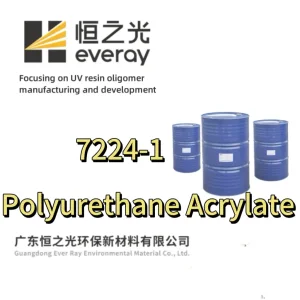
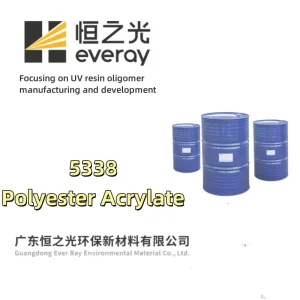
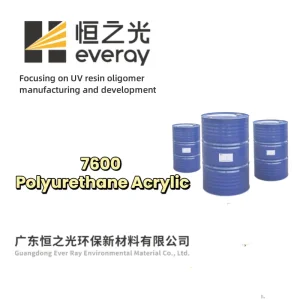
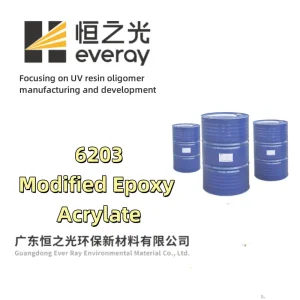
Strategic Sourcing Paradigm: Navigating Epoxy Resin Coating Manufacturing & Global Procurement
In contemporary industrial chemistry and structural protective engineering, the decision to buy epoxy resin coating products directly from certified chemical manufacturers and synthesis factories represents a foundational pivot toward operational durability, economic efficiency, and technical sovereignty. Industrial epoxy coatings—encompassing classical diglycidyl ethers of bisphenol-A (DGEBA), epoxidized novolacs, and advanced UV-photopolymerizable modified epoxy acrylates—serve as the imperative barrier layer shielding modern critical infrastructure, consumer electronics, automotive assemblies, and renewable energy assets from catastrophic mechanical degradation and oxidative corrosion.
When corporate procurement officers, chemical formulators, and chief technology officers evaluate global manufacturing partners, search intent transcends basic bulk pricing metrics. Procurement teams now require deep insight into molecular design flexibility, batch-to-batch polymer polydispersity indexes (PDI), volatile organic compound (VOC) passivity, REACH/RoHS regulatory compliance, and resilient supply chain logistics. As synthetic chemistry integrates with automated DCS continuous-flow synthesis, chemical manufacturing facilities based in advanced polymer hubs are outperforming historical decentralized supply chains through unprecedented technical precision and economies of scale.
Epoxy Resin Coating Evolution: Macro Industry Trends & Next-Gen Synthetics
From thermocured bisphenol polyaddition matrices to sub-second ultraviolet dual-cure chemistries: tracking molecular advancements transforming high-volume coating application lines.
1. High-Density UV Epoxy Acrylates
The global shift toward high-speed production has catalyzed the adoption of acrylated epoxy oligomers. By functionalizing bisphenol-A or novolac terminal oxirane rings with acrylic acid, factories synthesize oligomers that merge the legendary adhesion and surface hardness of classical epoxies with sub-second UV/EB radical curing capabilities, reducing energy consumption across finishing lines by up to 75%.
2. Zero-VOC & Waterborne Emulsions
Stringent decarbonization directives, such as the EU Green Deal and EPA Title V restrictions, have forced formulating chemists to abandon volatile organic diluents. Modern manufacturers deploy internal non-ionic hydrophilic polyether chain segments or high-shear self-emulsifying chemistries to produce waterborne UV polyurethane-epoxy hybrids that maintain 4H pencil hardness without hazardous solvent off-gassing.
3. Hyperbranched Polymer Architectures
Overcoming the historical trade-off between ultra-high crosslink density and application viscosity, advanced chemical synthesis labs synthesize dendritic hyperbranched acrylates. These molecular configurations present elevated reactive terminal functionalities alongside compact hydrodynamic radii, yielding remarkable anti-scratch performance and minimal film volumetric shrinkage stress.
Global B2B Procurement Specifications & Quality Metrics
Scientific benchmarks that tier-1 multinational enterprises mandate when auditing direct chemical coating manufacturers.
Corporate procurement directors cannot rely on ambiguous marketing terminology such as "heavy-duty" or "superior durability." High-stakes manufacturing assemblies—including automotive electrodeposition baths, high-speed offset print-packaging lines, consumer electronics spray lines, and industrial wind turbine blade fabrications—demand precise empirical validation. A factory capable of satisfying global supply agreements must systematically deliver certificate of analysis (COA) documentation fulfilling stringent test protocols:
| Performance Parameter | Standard Test Method | Acceptance Threshold (Industrial Grade) | Engineering Implications in Formulation |
|---|---|---|---|
| Volumetric Shrinkage Stress | ASTM D2566 / Laser Dilatometry | < 2.5% to 4.5% | Prevents micro-delamination and adhesion loss on non-porous glass, polished metals, and cyclic olefin copolymers. |
| Pencil Hardness | ASTM D3363 (Wolff-Wilborn) | 3H to 6H depending on functionality | Dictates resistance to surface abrasion, micro-scratching, and tactile friction in high-wear 3C electronic casings. |
| MEK Solvent Resistance | ASTM D5402 (Double Rubs) | > 200 double rubs with zero breakthrough | Validates complete three-dimensional macromolecular crosslinking network, preventing degradation by fuels, oils, and industrial cleansers. |
| Cross-Hatch Adhesion | ASTM D3359 Method B (Tape Test) | Class 5B (0% flaking or detachment) | Confirms adequate substrate wetting, interfacial covalent bonding, and low interfacial surface energy tension. |
| Viscosity Stability @ 60°C | Brookfield DV2T / Cone & Plate | Δ Viscosity < 5% over 30 days accelerated aging | Guarantees extended shelf life without premature radical oligomerization in transit across transoceanic shipping routes. |
| Yellowing Resistance (ΔE) | ASTM D1925 / CIELAB (QUV Exposure) | ΔE < 1.5 after 500 hours UVA-340 | Crucial for high-end clear varnishes, cosmetic nail overlays, optical lenses, and architectural wood topcoats. |
Polymer Tailoring by Substrate
Direct resin factory synthesis enables bespoke monomer blending—utilizing reactive diluents such as TMPTA, TPGDA, or low-viscosity mono-functional acrylates (IBOA, HEA) to adjust crosslink density to exact customer specs.
Total Environmental Transparency
Global enterprises enforce uncompromising audits covering Halogen-free compliance, total absence of ortho-phthalate plasticizers, zero SVHC (Substances of Very High Concern), and full circular-economy documentation.
Batch-to-Batch Color Consistency
Using Gardner Color Scale standards (≤ 1.0), premium factories deploy nitrogen-blanketed synthesis to halt thermo-oxidative discoloration during oxirane-acrylic ring-opening esterification.
China Industry 4.0: Modern Supply Chain Resilience & Synthesis Efficiency
How cutting-edge chemical industrial clusters combine automated process control, deep feedstock integration, and rapid prototyping to lead global polymer supply.
DCS Automated Synthesis
Distributed Control Systems (DCS) monitor reaction temperatures within ±0.5°C, feed rates, and catalytic addition stages, eliminating human error in exothermic ring-opening reactions and preventing batch viscosity spikes.
Vertical Feedstock Security
By co-locating near premier upstream petrochemical hubs in Guangdong, manufacturers secure direct pipeline access to epichlorohydrin, bisphenol-A, acrylic acid, and specialty isocyanates, neutralizing global spot-price volatility.
Digital Smart Logistics
Integrated ERP/MES platforms track raw materials from quarantine lab verification to automated intermediate synthesis and nitrogen-sealed IBC drum filling, linked with multi-modal port networks for accelerated worldwide transit.
Agile Custom Pilot Lines
Beyond massive 20-ton industrial synthesis reactors, flexible dedicated pilot labs allow continuous batch sampling (50kg–500kg), enabling rapid testing of tailored glass-transition temperatures (Tg) within 10 to 14 business days.
Global Commercial & Industrial Landscape
Market segmentation, regional demand corridors, and structural expansion vectors driving high-performance epoxy resin coatings worldwide.
The global market for epoxy resin coatings is undergoing a massive structural transformation, valued at over $38 billion USD and demonstrating sustained compounded annual growth rates (CAGR) of 5.8% to 6.4%. This commercial momentum is fueled not only by conventional industrial maintenance, but by revolutionary expansions across the clean energy transition, automotive electrification (EV), and high-density semiconductor microelectronics.
Electric Vehicles & Energy Storage
High-voltage battery assemblies require dielectric epoxy potting formulations and fire-retardant epoxy coatings capable of withstanding thermal runaway conditions up to 1000°C, while exhibiting zero electrical pinhole arc discharges under rigorous UL 94 V-0 qualification standards.
Offshore Wind & Marine Structures
Offshore wind farms confront ISO 12944 C5-M extreme marine corrosive zones. Heavily modified novolac epoxy acrylates and cycloaliphatic coatings provide impermeable barriers against saline salt fog, cavitation wear, and micro-cracking caused by cyclical mechanical wind buffeting.
Microelectronics & Packaging
Advanced printed circuit board (PCB) solder masks, micro-encapsulants, and LED packaging demand ultra-purified epoxy acrylates with total ionic contaminant levels (Cl-, Na+, K+) under 10 ppm, guaranteeing zero electrochemical copper migration over multi-year operational cycles.
Localized Application Scenarios: Chemistry Matched to Substrates
Real-world engineering deployments where formulation customization solves substrate-specific chemical and mechanical challenges.
Industrial Self-Leveling Cleanroom Floors
Pharmaceutical cleanrooms, semiconductor fabrication plants, and heavy-duty logistics facilities require seamless, pinhole-free flooring coatings with extreme compressive strength and chemical spill endurance.
3C Housing Scratch-Resistant Clear Coats
Mobile phone chassis, laptop exteriors, and wearable smart devices fabricated from polycarbonate (PC) and ABS require ultra-thin clear coats with exceptional anti-fingerprint, sweat-resistant, and non-yellowing traits.
High-Gloss Overprint Varnishes (OPV) & Inks
High-speed web offset, flexographic, and screen-printing presses require varnishes that cure instantly under mercury or LED-UV lamps (395nm) without residual odor or migrating monomers in food packaging.
Boil-Water Resistant Glass Primer & Ink
Cosmetic flacons, architectural glass panels, and glass kitchenware require pristine decorative coatings that survive dishwasher sterilization and 2-hour boiling water immersion tests without delaminating.
Petrochemical Pipeline & Steel Anti-Corrosion
Underground oil pipelines, chemical storage tanks, and offshore platforms require thick-film fusion-bonded epoxy (FBE) and 100% solid high-build liquid epoxy systems shielding substrates from acidic vapors.
Photopolymer 3D Printing Resins (Functional SLA)
Next-generation industrial rapid prototyping, dental models, and athletic footwear midsoles require sub-500 cps viscosity resins offering engineering-grade heat deflection temperatures (HDT) and impact resistance.
Direct Factory Sourcing: Frequently Asked Questions
Authoritative technical, commercial, and operational guidance curated by senior polymer chemists and industrial supply chain directors.
Featured Epoxy & UV Curable Coating Resins (Part II)
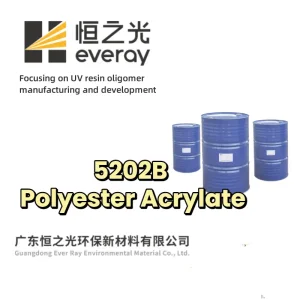
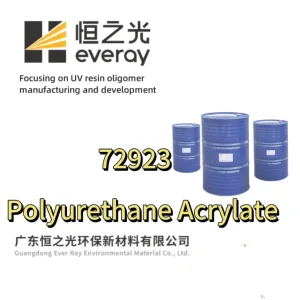
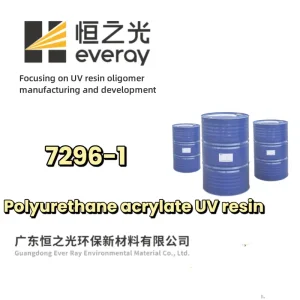
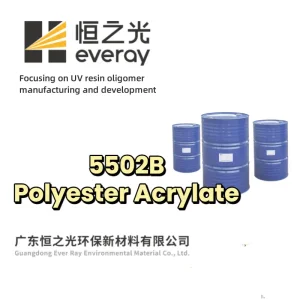
Specialized high-adhesion oligomers, bisphenol-A epoxy acrylates, polyester resins, and wear-resistant polyurethane systems for global B2B procurement.
Partnering with an Epoxy Resin Coating Factory: Strategic Checklist
Four actionable engineering milestones to guarantee seamless scale-up from lab formulation to full continuous production.
Substrate & Lamp Profiling
Specify exact substrate chemical composition (e.g., untreated PP, corona-treated PET, cold-rolled steel, pre-treated glass) and spectral curing peak (mercury arc, LED 365nm, 385nm, 395nm, or electron beam).
Viscosity & Diluent Matrix
Define coater shear rates, target application temperature, and acceptable monomer packages to ensure compatible rheological leveling without sagging or cratering defects.
Pilot Validation (10-50 kg)
Conduct pilot coater trials to evaluate line cure speed (m/min), crosslink conversion percentage via FTIR analysis, intercoat adhesion, and post-cure thermal cycling resilience.
Continuous Bulk Supply
Lock in long-term supply volume agreements with guaranteed lot-to-lot Gardner color, viscosity tolerances (±5%), and raw material buffer stocks to insulate finishing plants from global logistical shocks.
